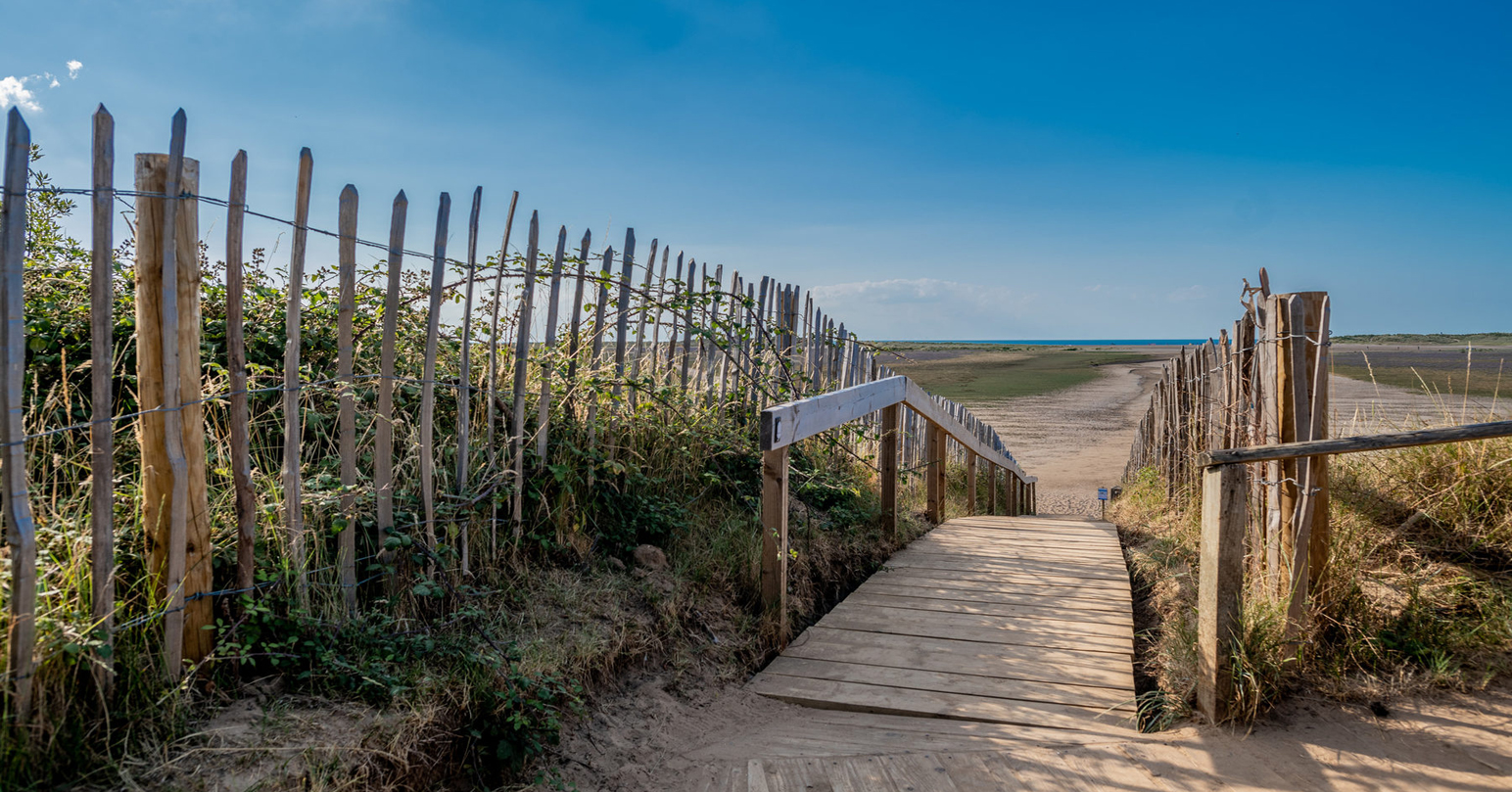
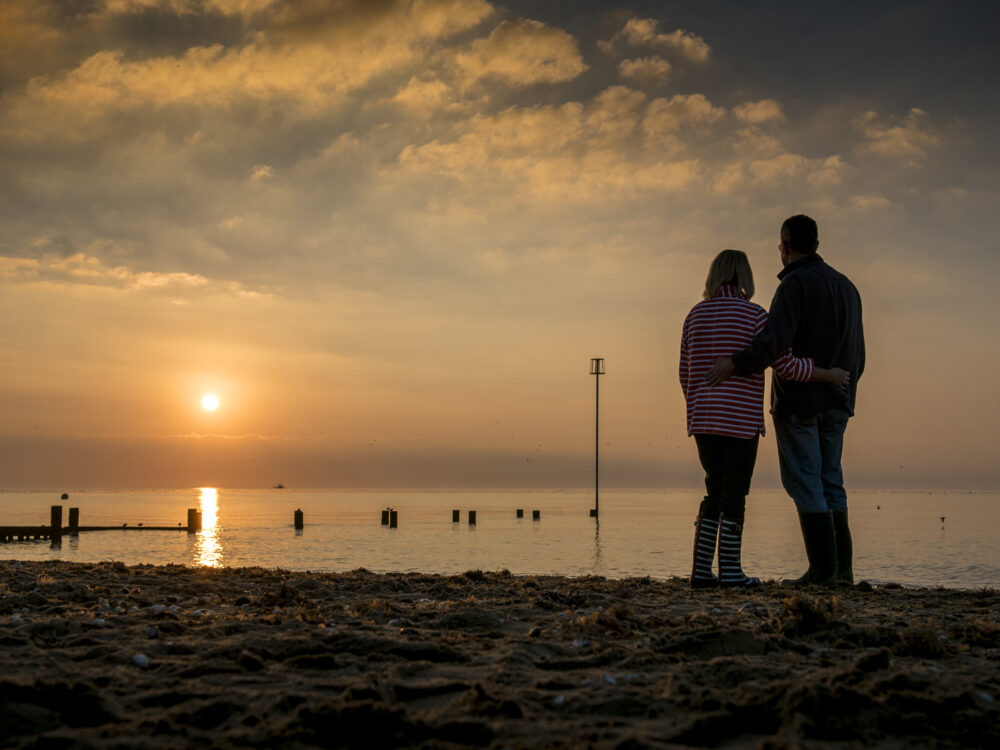
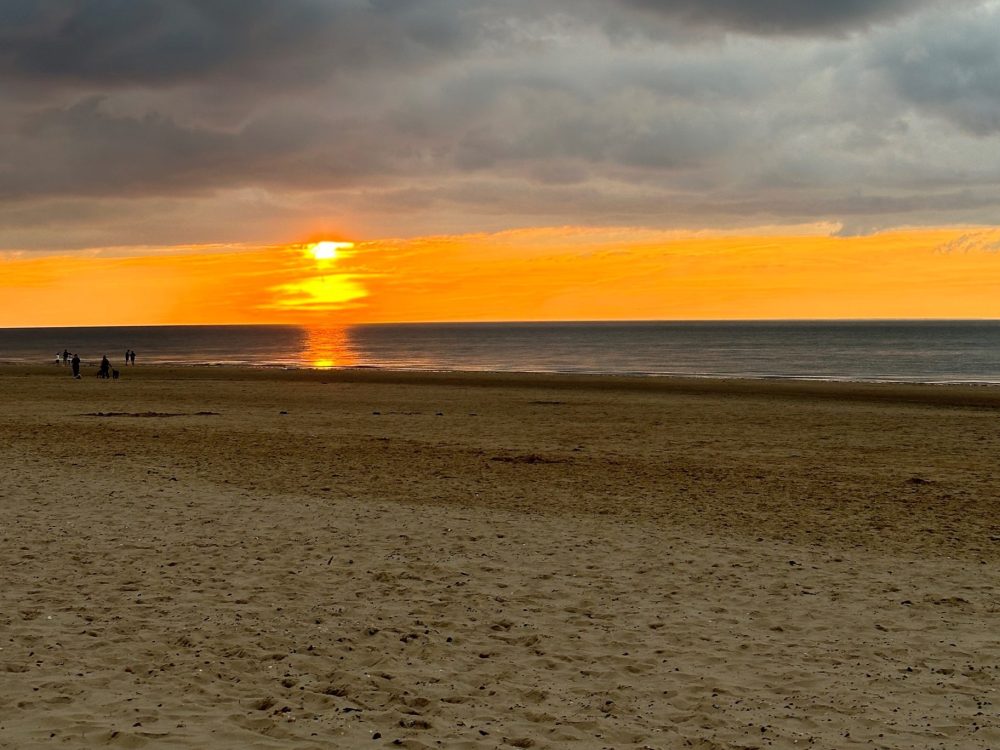
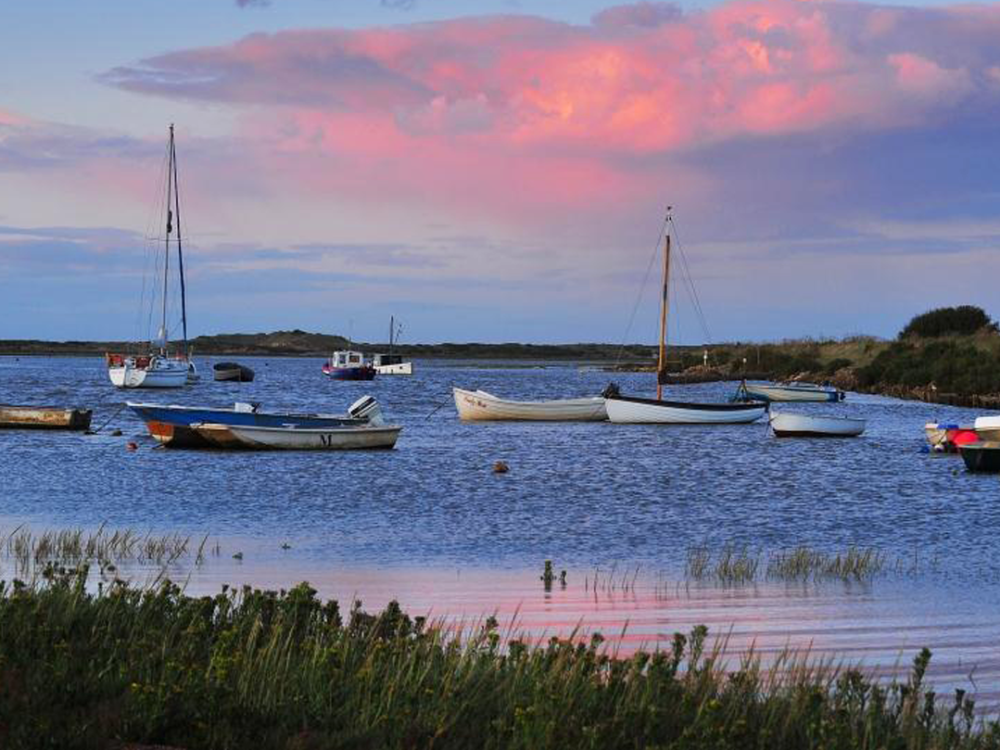
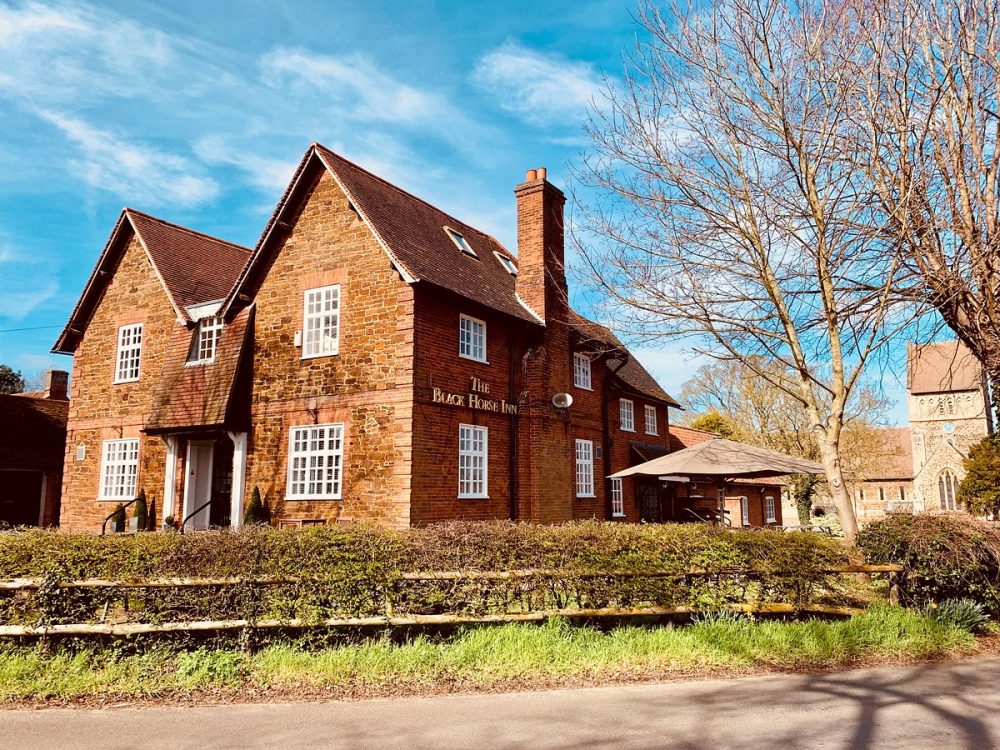
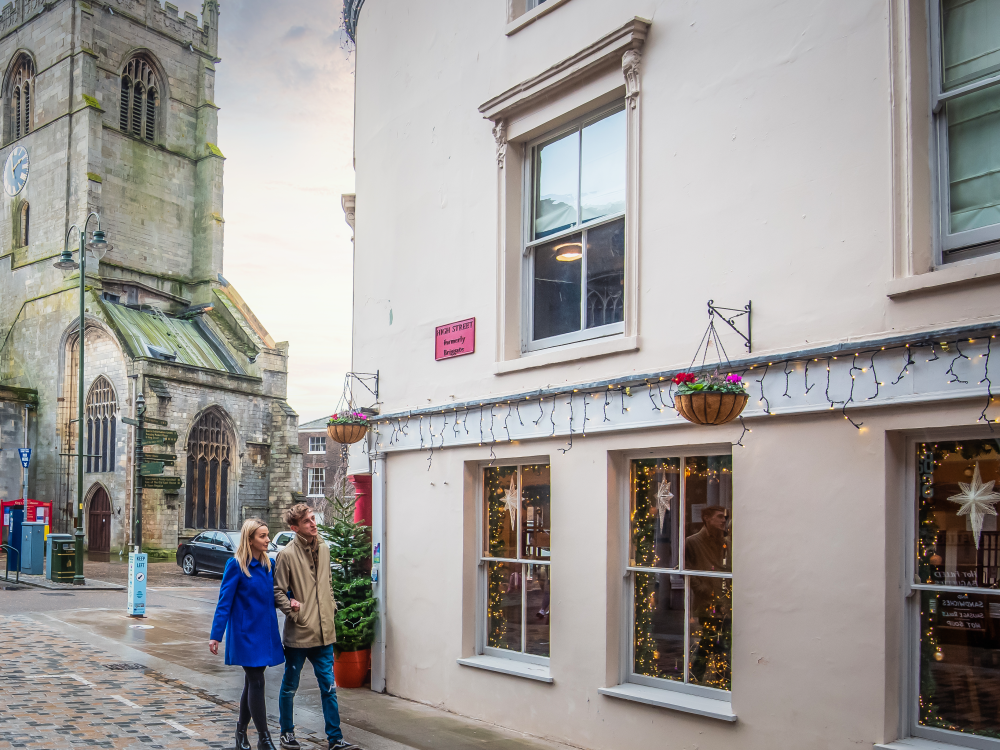
West Norfolk is famously dog-friendly, so there’s no need to leave your canine companion at home when you visit. We’ve got miles of dog friendly beaches and, if you fancy something different for a day out, why not visit one of our many parks, woodlands or tourist attractions? Find some examples below from around the west Norfolk area. Please be aware that pre-booking for visits may be required and opening dates may differ around the area.
Dog Friendly Venues
1. Castle Acre Village
Castle Acre, Norfolk, PE32 2XD
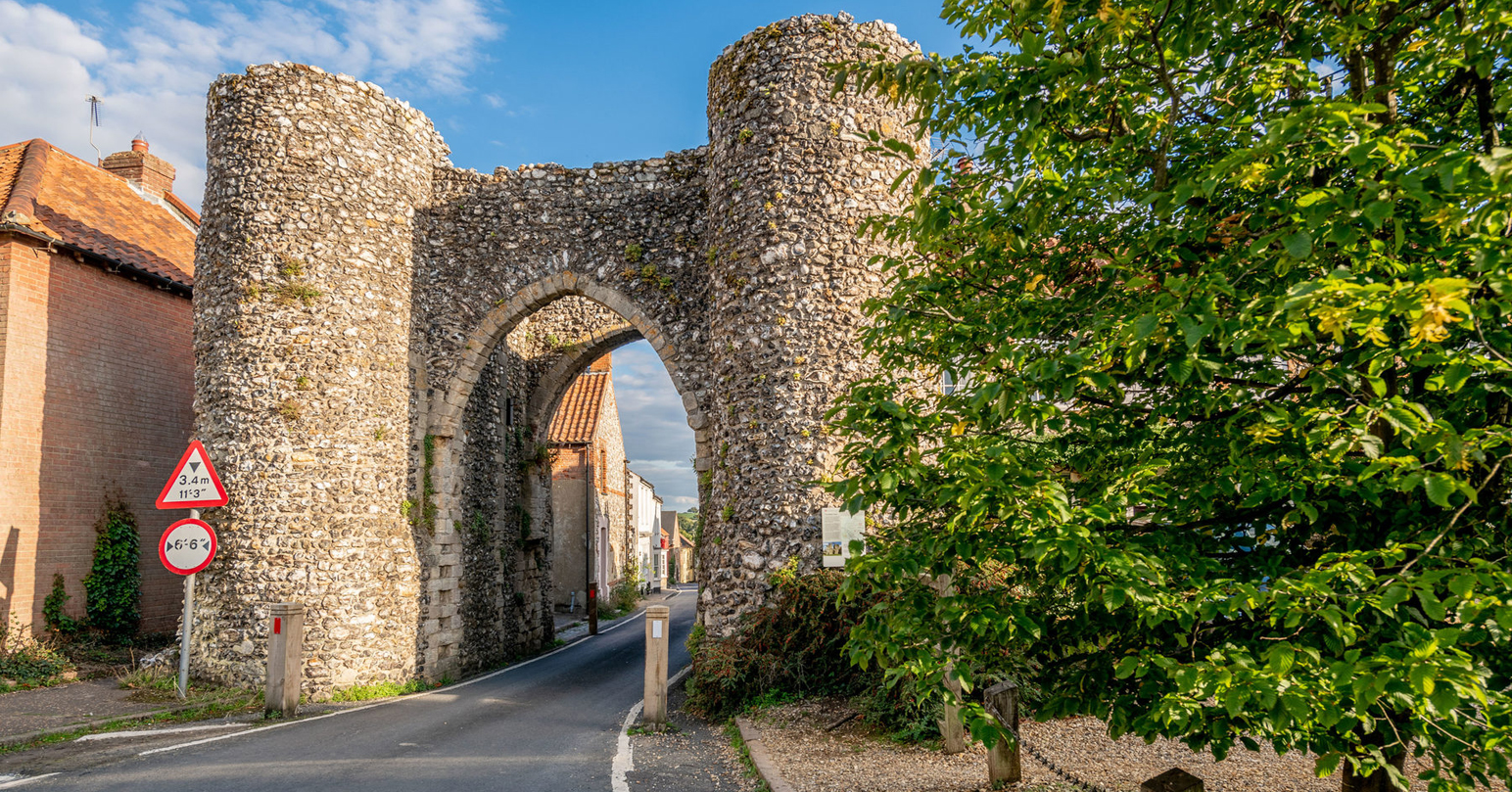
History buffs will like the Castle Acre Priory (a well preserved monastic site dating back to 1090, now managed by English Heritage), the Bailey Gate and Castle (12th century), all of which are dog friendly.
2. Drove Orchards
Thornham Rd, Thornham, Nr Hunstanton, PE36 6LS. Tel: 01485 525652
40 acres of orchards and 160 varieties of apples right on the coast. Drove Orchards is family friendly and good fun for a walk around. Free parking on site. Visitors can pick their own apples and pears when in season.
3. Holkham Estate
Holkham Estate, Wells-next-the-Sea, NR23 1AB
Dogs are welcome in Holkham Park, the Walled Garden, and Holkham Stories. Please keep them on a lead as there are free roaming deer in the park. Dogs should not enter Holkham Lake. Only assistance dogs are allowed in the Hall.
This is a moated country house built around 1482. Dogs on leads are welcome in the Gardens, Parkland and Servants’ Hall Tearoom but not in the house, except for assistance dogs.
5. Bawsey Estate and Country Park
The Bawsey Country Park, King’s Lynn, PE32 1EPTel: 01553 603925
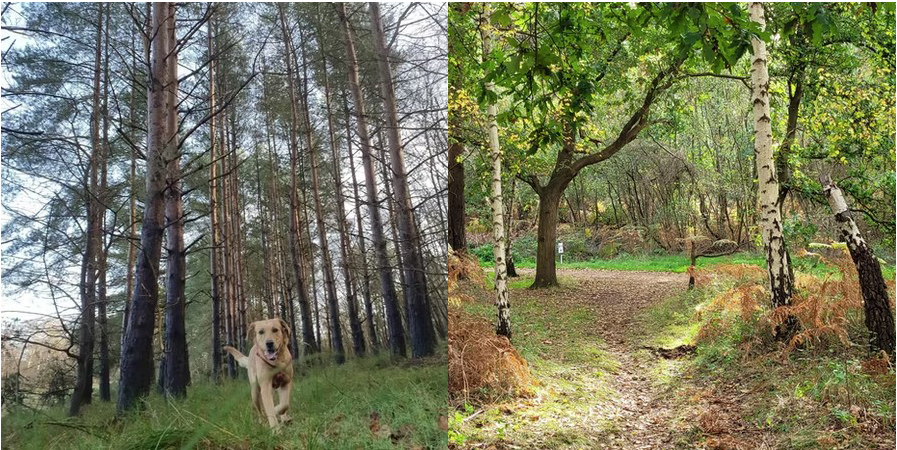
Bawsey Country Park has 176 acres to explore with your doggy pal – you can even order a doggie sausage at The Hub Café when you arrive and it will be ready for your canine companion when you’ve finished your walk! There is also a dog wash station for cleaning muddy paws before heading home.
6. RSPB Titchwell Marsh Nature Reserve
Off A149, Titchwell Marsh, PE31 8BB.
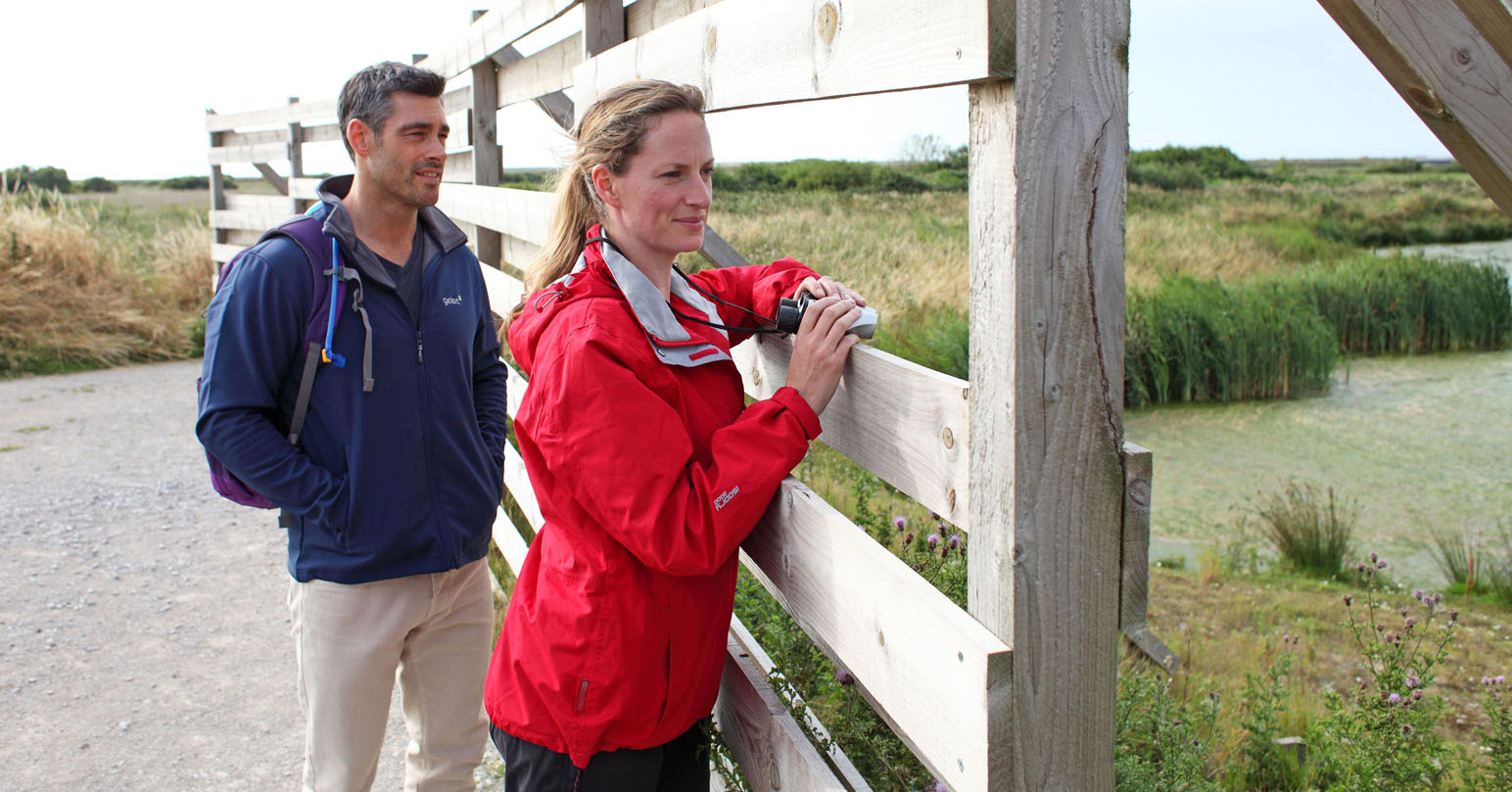
It’s important to remember the special surroundings here are wonderful havens for rare wildlife so please keep dogs on leads and stick to the dog-friendly routes. Dogs are welcome in the hub and shop and you will find water bowls in the courtyard.
7. RSPB Snettisham Nature Reserve
Off the A149 between Snettisham and King’s Lynn.
Dogs are very welcome to visit but, once on the reserve, please put your dogs on leads.
8. Snettisham Park
Bircham Road, Snettisham PE31 7NG. Tel: 01485 542425. A 329 acre working farm. Well-behaved dogs on leads and assistance dogs are allowed to visit Snettisham Park but be aware there are deer and other animals on site. Dogs can visit the farm and the trails, but can’t go on the deer safari.
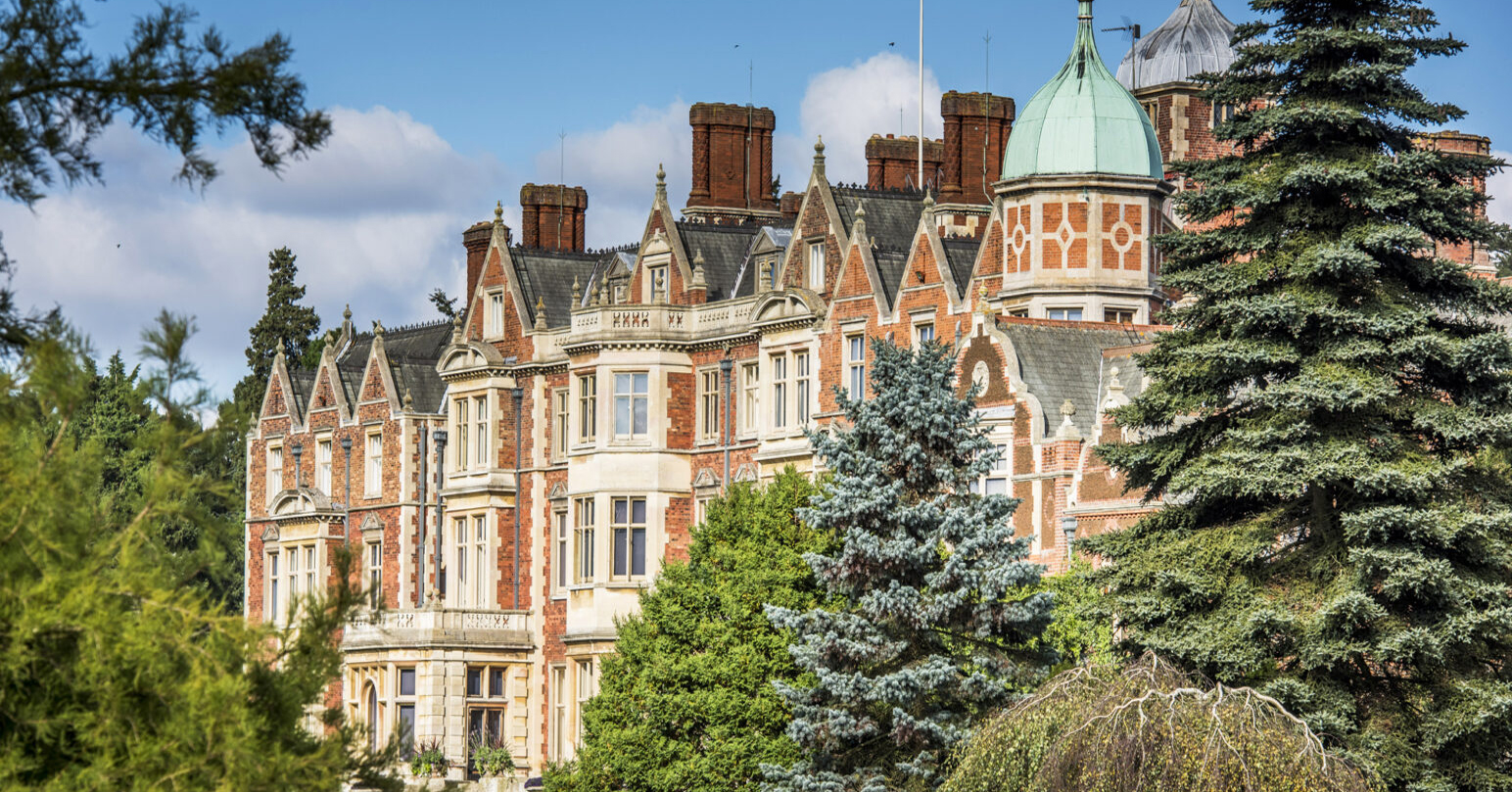
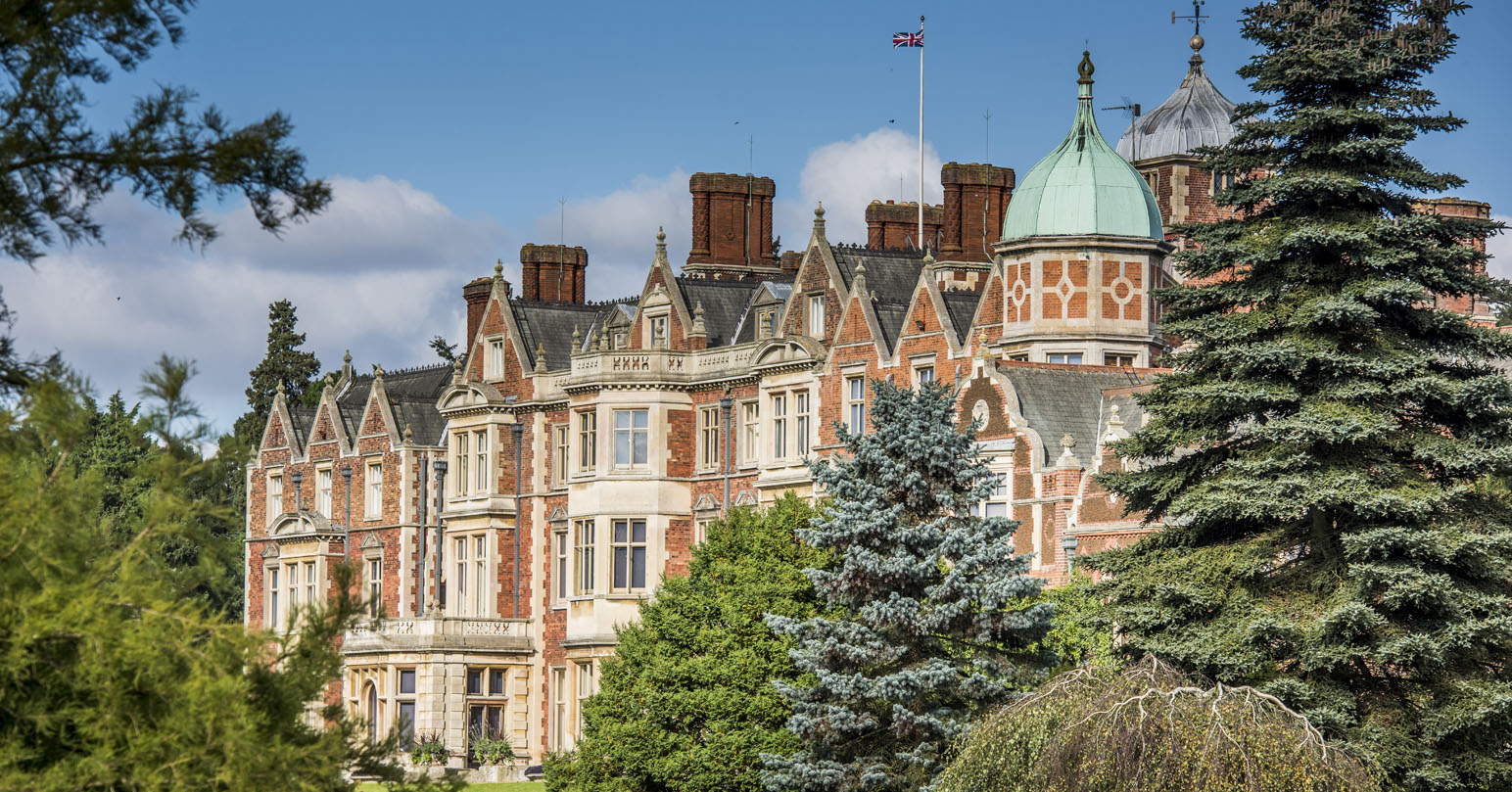
The Norfolk retreat of the British Royal Family. Dogs are not allowed in the house or the gardens but can run around in the Country Park. Dogs are also welcome to attend the many craft fairs and annual flower show when scheduled – and even visit the parish church of St. Mary Magdalene. Check the Visit With Your Dog page for the full lowdown. Please check signs for reports of any cases of Seasonal Canine Illness between August and the end of January to be on the safe side.
10. Castle Rising
King’s Lynn, PE31 6AH. Tel: 01553 631330
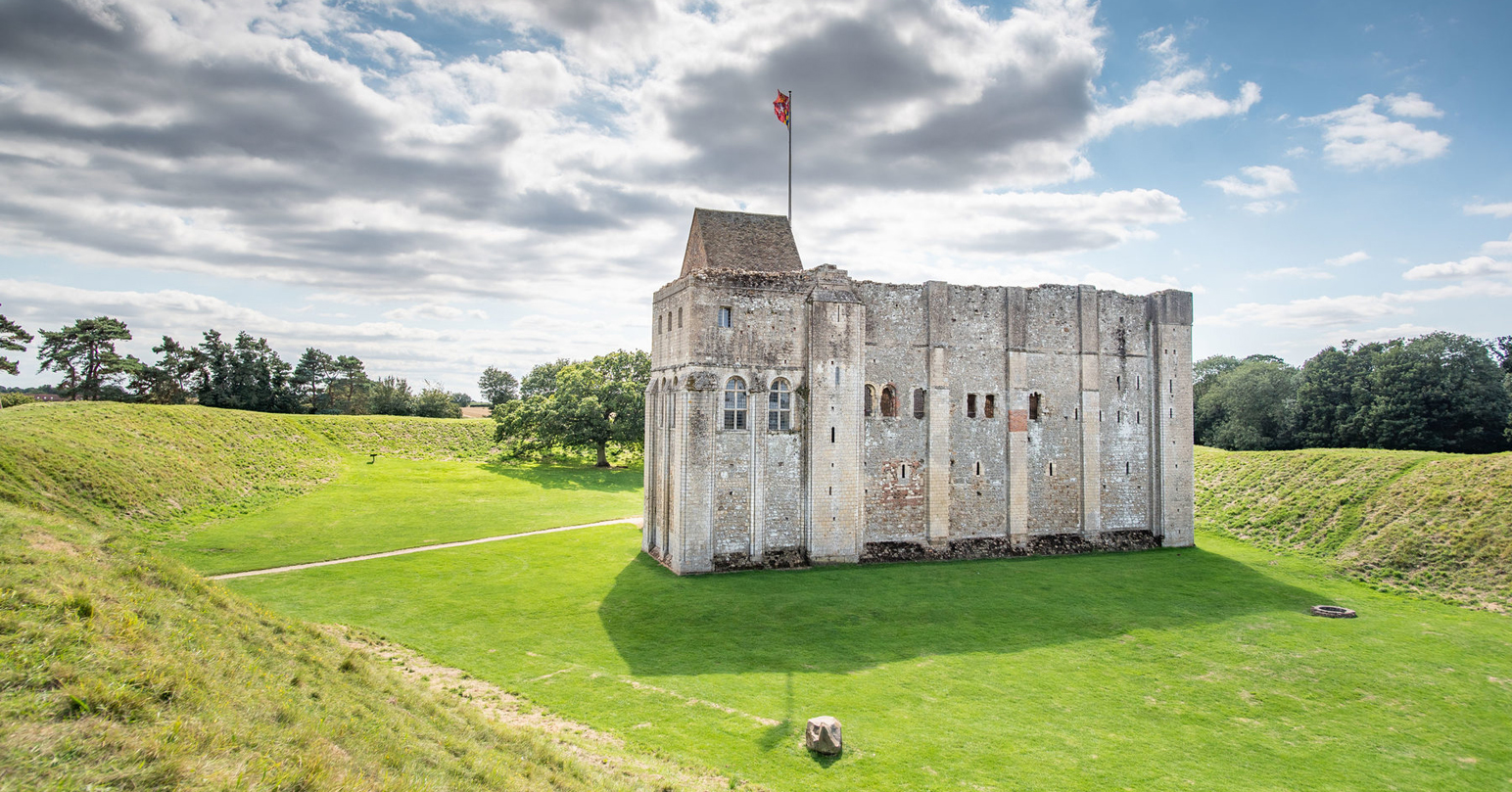
Castle Rising is a 12th Century Castle and Keep. Dogs are allowed on the site but not in the main castle structure.
Dog Friendly Beaches
If you love walks on the beach then west Norfolk is definitely the place for you. There are beaches to suit all dogs – sandy, pebbly, marshy and even muddy! Nearly all the beaches in west Norfolk are very dog friendly. There are just a few restrictions in some of the tourist hot spots.
1. Snettisham Beach
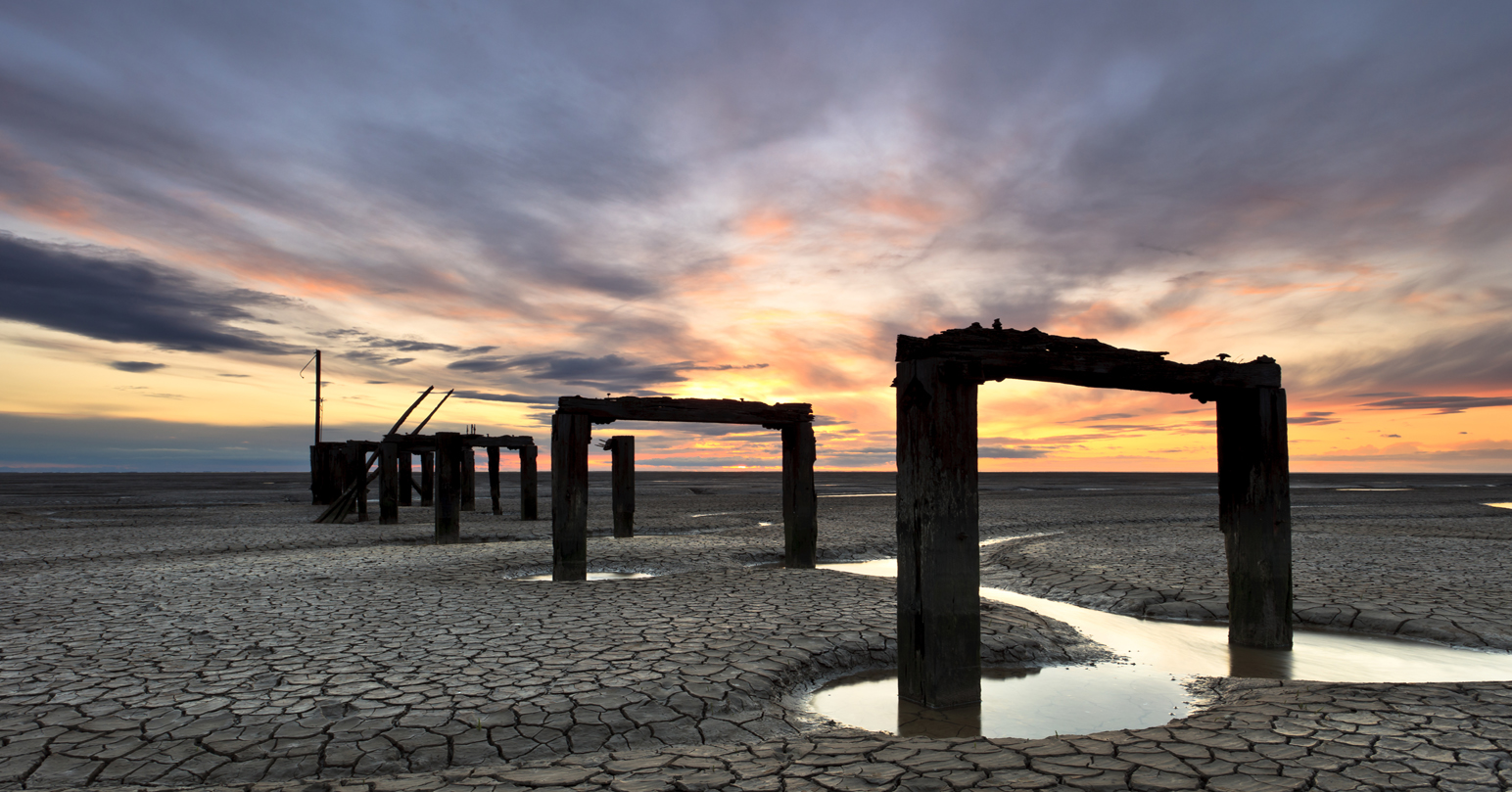
This beach is a haven for nature lovers, totally unspoilt and usually very peaceful. From the beach car park (charges apply), you can walk south along the beach towards the lagoon area of RSPB Snettisham Nature Reserve.
During the summer months (1st April to 31st August) pop your dogs on a lead so you don’t disturb the beach-nesting birds – look out for signage and nest protection cordons letting you know where the birds are nesting and where you must not walk.
At other times of year, if you enter the Reserve, make sure your dogs are on a lead so you don’t disturb the birds and other wildlife. On the biggest high tides from late summer onwards tens of thousands of wading birds take flight as the incoming tide pushes them off the vast mudflats. This is truly an amazing sight and is called ‘the whirling wader spectacle’. The wildlife is incredible here! There is also the option to walk along the grassy area parallel to the beach towards Heacham.
2. Hunstanton Beach
Dogs are not allowed on a small section of beach from the end of the promenade by the cliffs to the boat launch ramp between 10th April – 31st October. Dogs on leads can walk along the promenade throughout the year. There are plenty of dog waste bins on the promenade.
There are no restrictions on the beaches north and south of this section so there is still loads of space for dogs to run and play.
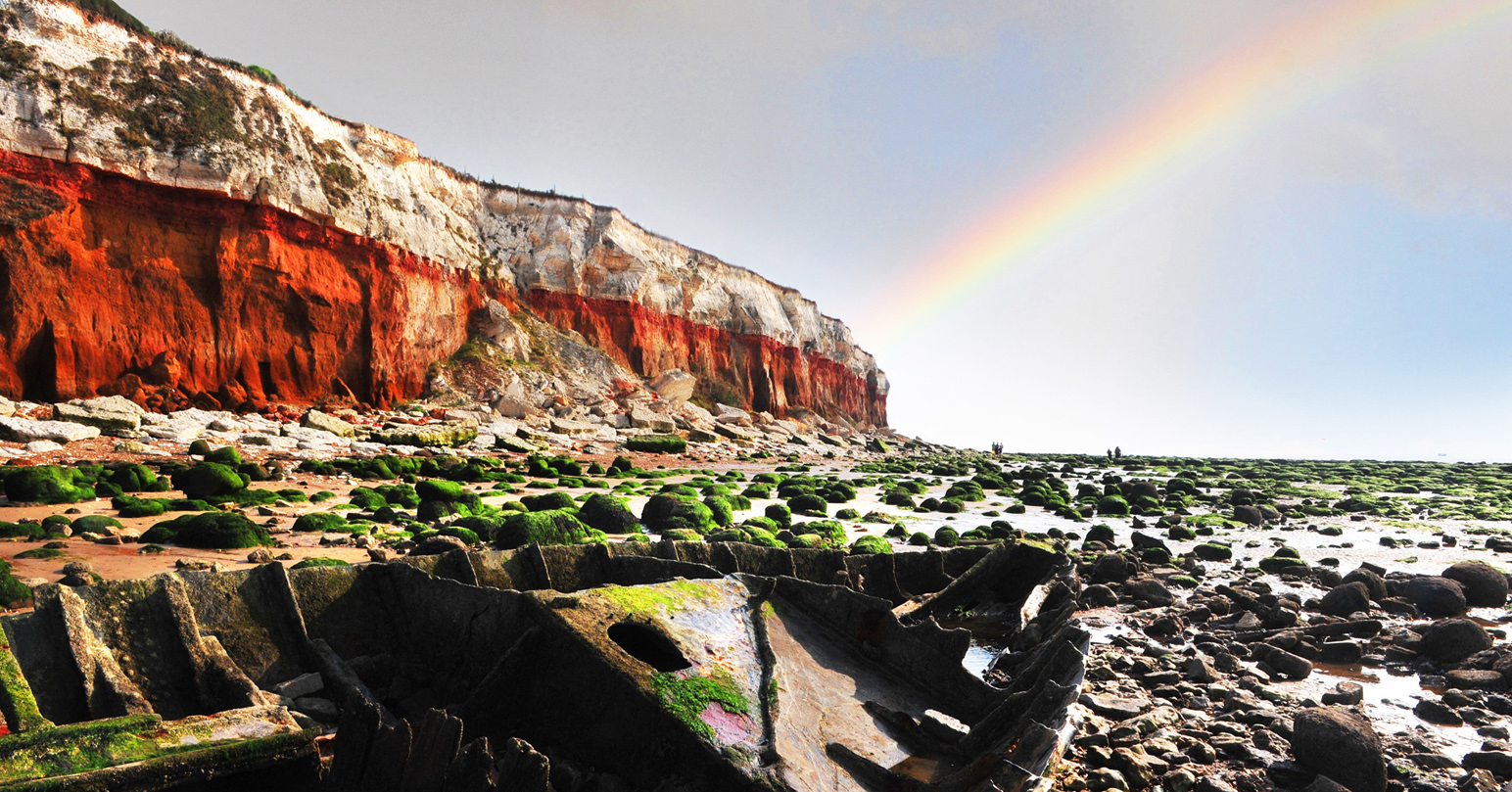
The North Beach takes you to the striped cliffs of Hunstanton which provide a stunning backdrop for holiday pics and are unique in the UK. This area is also great for paddles in the rock pools and, while you’re there, see if you can spot the wreck of a 1907 fishing boat used in WWI & WWII.
Hunstanton is one of several beaches stretching from Snettisham to Holme that face west so they are very popular with those who like to watch the sunset.
3. Heacham Beach
Heacham has two beaches, North and South, both of which have car parks, snack bars and toilets. From the North Beach you can walk along from Heacham to Hunstanton either on the promenade or on the beach.
Like Snettisham, the beach can be very muddy in places especially when the tide is out, so do take care!
You can also walk on the path that runs next to the Heacham River towards Snettisham.
On South Beach, during the summer months (1st April – 31st August), birds use the upper part of the beach to nest and raise their chicks. Dogs being on leads (and looking out for signage and nest protection cordons) is the best way to make sure you don’t disturb the birds.
4. Old Hunstanton Beach
This is a lovely, unspoilt sandy beach with safe water for paddles and swims. There’s a great beach café at Old Hunstanton where you will find fresh water for dogs (plus they sell some rather tasty doggy snacks).
Dog waste bins can be found at The Lighthouse car park and by the Lifeboat Station.
5. Burnham Overy Staithe
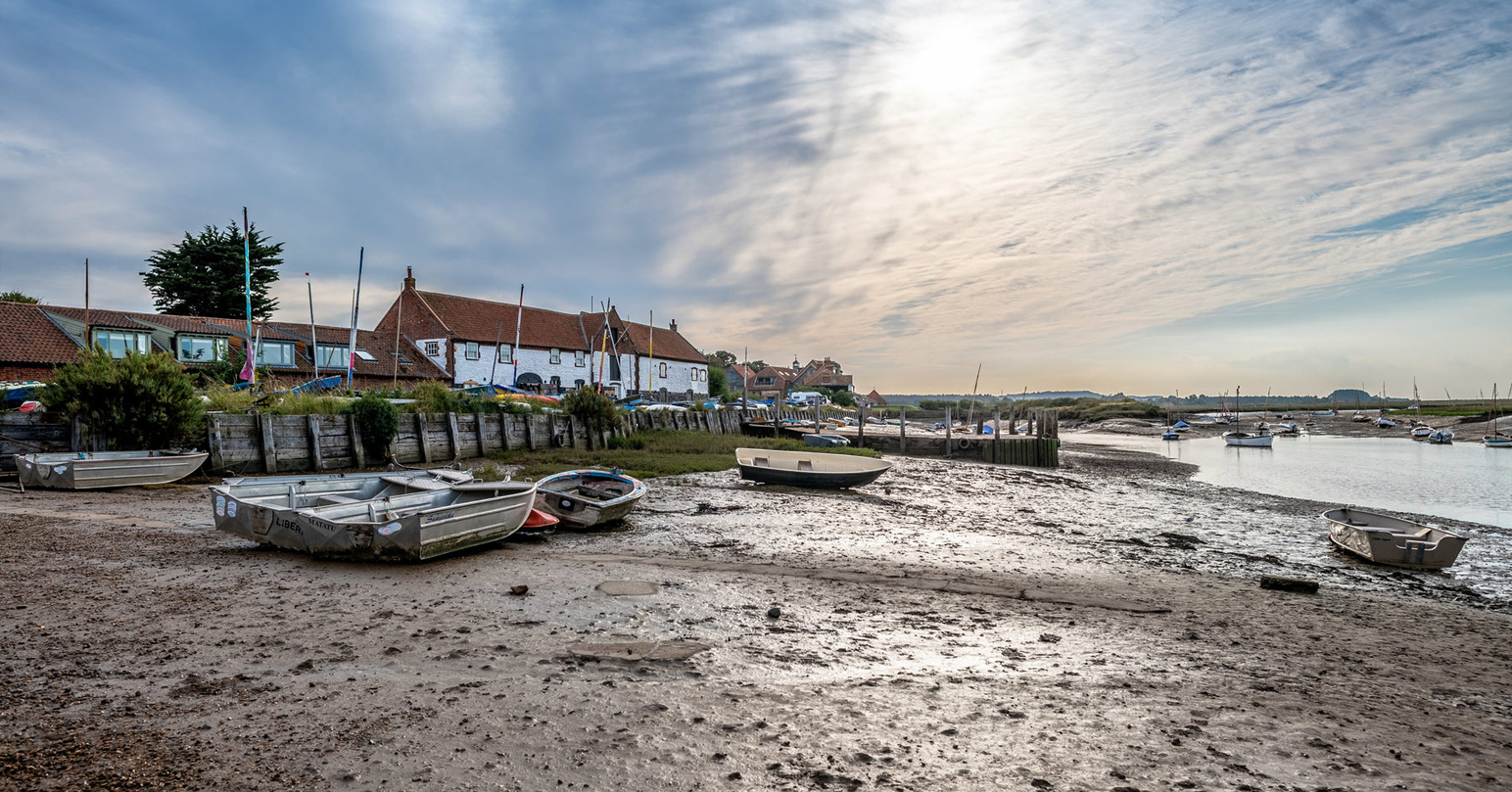
The creek at Burnham Overy Staithe is dog friendly all year round. When the tide is in, the car park can be very busy. From there, it is approximately a one mile walk along the embankment to the beach.
There are no facilities on the beach so make sure you have plenty of water with you and some form of shade.
You can also walk along the Coast Path through the marshes. The Coast Path will take you on to Holkham Beach or into the pine forest.
6. Holkham Beach
Holkham is a vast, sandy beach that has enough room for everyone and rarely seems crowded.
The nature reserve at Holkham stretches from Burnham Norton to Morston, covering about 1,000 hectares which is about 2,500 football fields in doggy landscape! You can explore most of the area by following footpaths.
Holkham Beach has been voted the most dog friendly beach in the UK. Dogs are welcome on the beach all year round, but please be aware that from 1st April – 31st August there is a dogs-on-leads policy in certain places to protect wildlife. These areas are clearly signed. In highly sensitive areas, you will find roped cordons in place to protect ground nesting birds. Please steer clear of these cordons.
7. Titchwell Beach
Visitors can park their vehicles at the RSPB car park (charges apply non-members) and walk along the West Bank path to the beach, as long as your dog is on a lead. The walk to the beach is approximately 1km and drinks and snacks are available at the RSPB visitor centre.
Please be aware that you must stay away from roped off areas in the sand dunes and beach access is via the West Bank path only.
8. Brancaster Beach
Brancaster is a popular sandy beach during the summer months. There is a pay and display car park, toilets and snack shop.
Please do not attempt to cross the main tidal sea water channels because this is very dangerous.
There is a small dog free zone between May – September on the left of the entrance where you access the beach. The rest of the beach has no restrictions and can be enjoyed by you and your four legged friends all year round.
Other dog friendly beaches around the Norfolk area can be found on the Barking Bugle website. The header image and amended text have been kindly taken with permission from the Norfolk-based Barking Bugle website.
Dog Friendly Accommodation
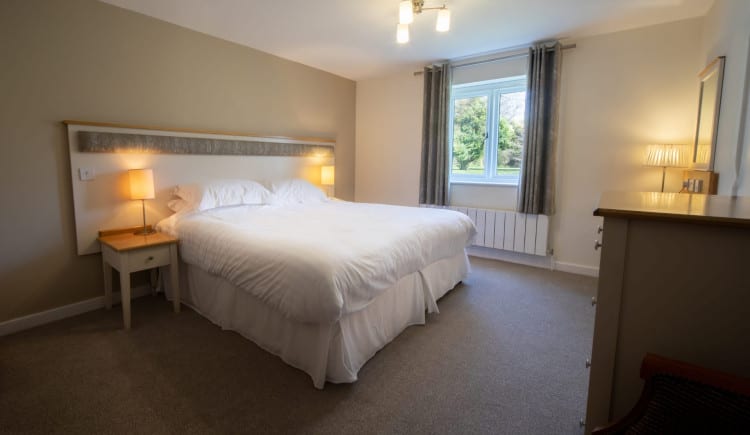
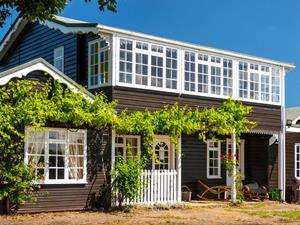
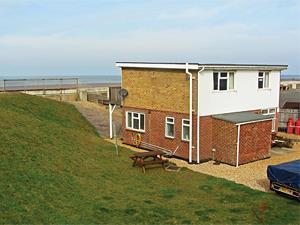
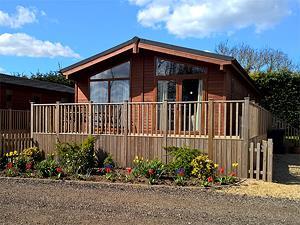
For a full list of dog-friendly accommodation in west Norfolk please check out the ‘Perfect for pets‘ section from the Accommodation drop-down menu.
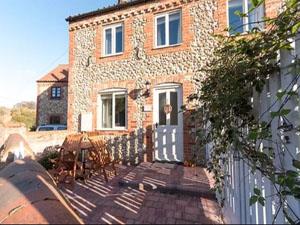
Bluebell Cottage
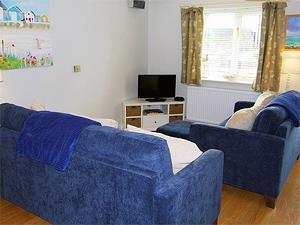
Bluebell Cottage is a small, semi detached cottage ideal for a couple or small family. The cottage is dog friendly and has a gate to separate the kitchen and living area.
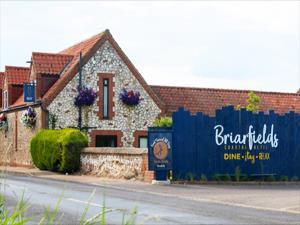
Briarfields Hotel
Situated between RSPB Titchwell and Royal West Norfolk Golf course, both overlooking the beach at Brancaster, Briarfields offers peace and relaxation or as much outdoor activity as you choose.
Caley Hall
Caley Hall Hotel and Restaurant is a family run business full of character and country charm. Most of the rooms are on the ground floor and some are dog friendly.
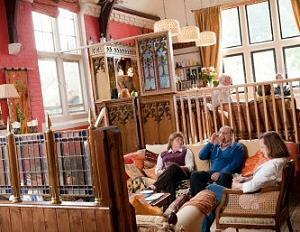
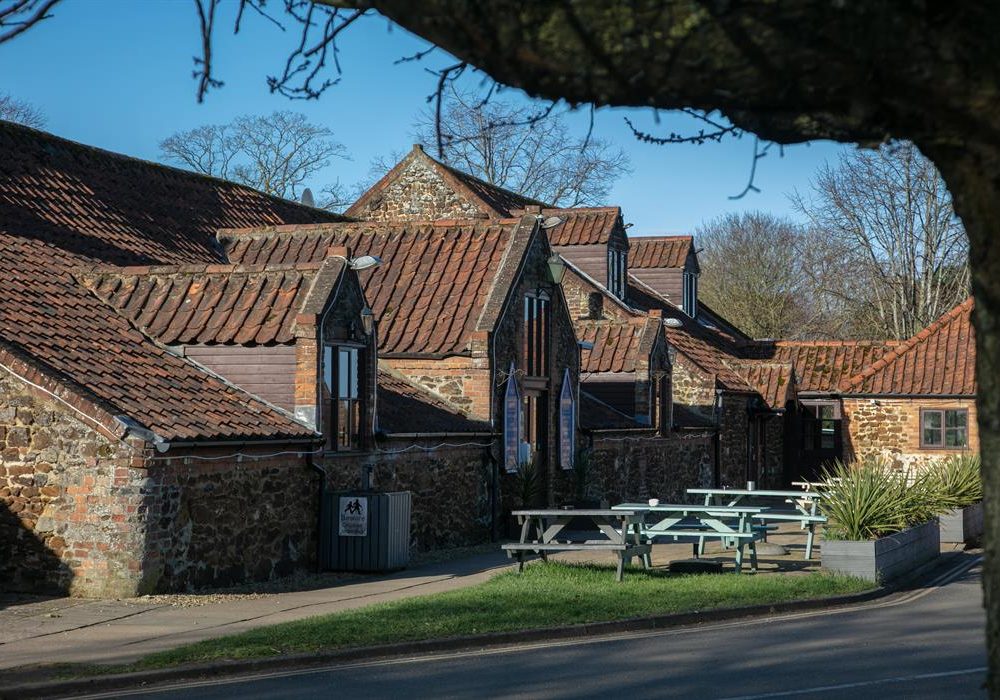
Chalk and Cheese
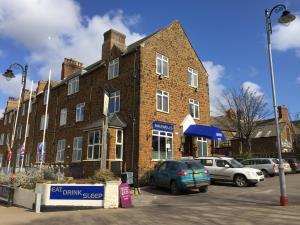
A Victorian school on the edge of one of the prettiest village greens in East Anglia, we provide a high standard of quality meals and service.
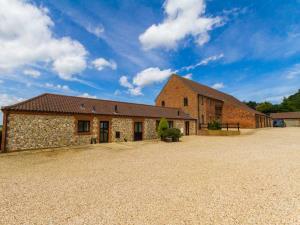
Church Farm Barns
Church Farm Barns is a family run business in the quiet hamlet of Bircham Newton close to the North Norfolk coast and the Royal Estate of Sandringham.
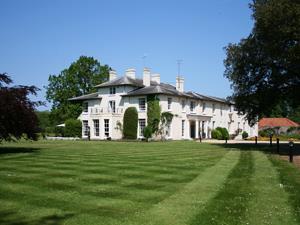
Congham Hall Hotel
Congham Hall Country House Hotel is an elegant Georgian manor that has retained the feel of a fine country house where you’ve been invited to stay as a treasured guest of the family.
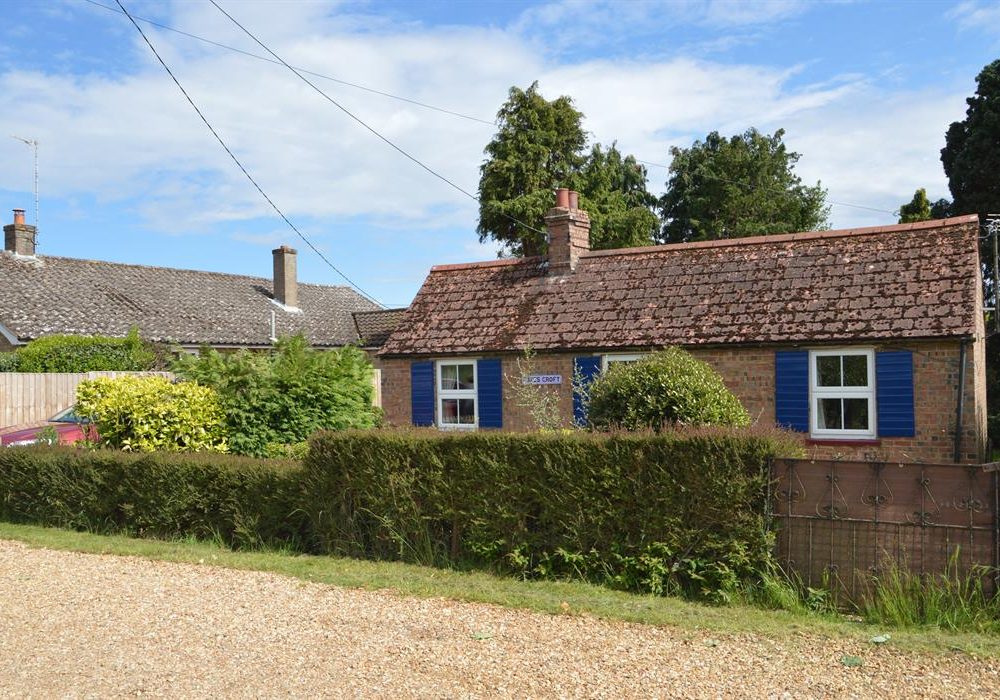
Foxes Croft
This is a comfortable, warm, small detached bungalow within 10 minutes of the coast. It is situated between the villages of Dersingham and Snettisham. Dogs welcome.
Heacham Manor Dog Friendly Cottage
Well-behaved dogs are welcome in cottage suites at Heacham Manor, nestled in the North West Norfolk countryside
Hippisley Hut
Secluded, yet in the heart of the village, you can do as little or as much as you like at Hippisley Hut. Walk your four-legged friends to the beach, grab a bite to eat at the local pub, or simply relax in the refined, self-catered Hippisley Hut.
Horizons
At the very end of Hunstanton’s South Promenade, Horizons stands in a unique location, with direct access onto the prom and beach. Dogs are welcome.
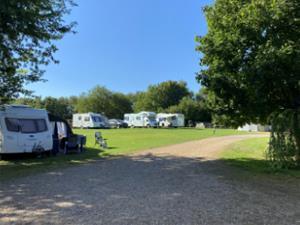
King’s Lynn Caravan and Camping Park
Set in approximately ten acres of beautiful mature parkland, the site is situated on the edge of the village of North Runcton. Dogs/pets accepted by arrangement.
Lavender Cottage
Located just 4 miles away from the north Norfolk heritage coast, with easy access to nearby RSPB sanctuaries, nature reserves and cycle paths, the central location is a great base to explore all north west Norfolk has to offer.
Le Strange Pet Friendly Rooms and Apartments
Le Strange pet friendly rooms are located in a separate building and a short walk from hotel, close to The Mariner Inn.
Marine Bar and Hotel Hunstanton
The Marine Hotel has its own fully licensed Traditional Bar serving food all day and large outside seating area. Dogs welcome.
Norfolk Accommodation mYminiBreak
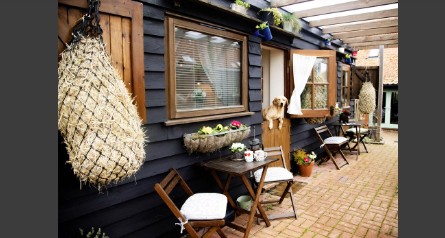
Nobody likes leaving their furry friends behind – at Norfolk Coast B&B Cottages & Camping you don’t have to! A choice of coastal cottages, chalets, camping and Glamping options, many of which are dog-friendly.
Primrose Cottage
This spacious comfortable cottage is south facing and situated in the conservation area of Great Massingham which is one of North Norfolk’s most attractive villages.
Rose and Crown Snettisham
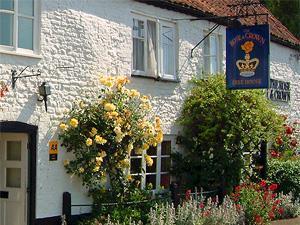
The Rose & Crown is a Fourteenth Century village inn of great character and charm minutes away from Royal Sandringham, with its beautiful grounds (open all year) and house.
Sea Folly
With a front row seat to the alluring beauty of both the lighthouse and St. Edmund’s Arch, Sea Folly’s location is the envy of the North Norfolk coast.
Searles Leisure Resort
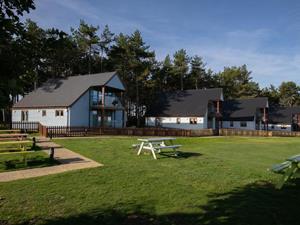
Searles Leisure Resort offers a variety of accommodation options to suit all preferences and budgets. From spacious caravans to luxurious lodges, there is something for everyone.
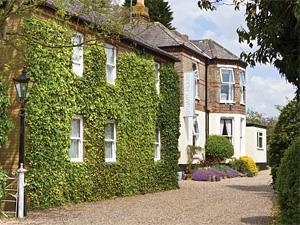
Stuart House Hotel
A homely independent hotel, quietly situated within its own grounds just a short walk from the historic centre of King’s Lynn. All rooms are en-suite, with TV, WIFI internet and tea/coffee making facilities.
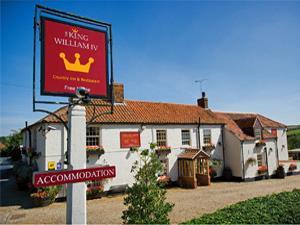
The King William IV Country Inn
The King William IV Country Inn and Restaurant is set in the village of Sedgeford, just 3 miles from the North Norfolk Coast.
The Lodge Cottage
Just a pebbles throw away from the beach, a slight stumble home from the local pub and next door to the village shop (and its fresh croissants), The Lodge Cottage is at the very nucleus of Old Hunstanton.
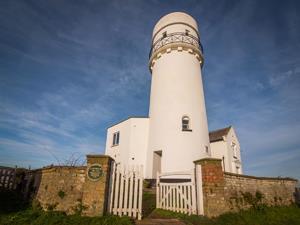
The Old Lighthouse
Taken straight from a picture postcard – The Old Lighthouse – is the epitome of North West Norfolk’s boundless charm and allure.
Virginia Lake Caravan Park
Set in the glorious Fenland countryside Virginia Lake Caravan Park is open all year round (subject to weather conditions) with availability of grass pitches for tents, caravans and motorhomes.
Dog Friendly Restaurants, Pubs and Bars
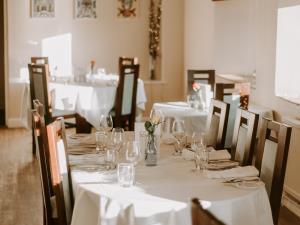
Rathskeller Wine Bar and Bistro
The Bistro offers a freshly cooked menu of the finest homemade dishes using prime Norfolk produce. We source seasonal ingredients from local suppliers where possible, so the menu changes on a regular basis.
The Farmers
At one of West Norfolk’s highest points and on the outskirts of King’s Lynn, you will find The Farmers , a charming country-style pub with a warm welcome and excellent food and drink.
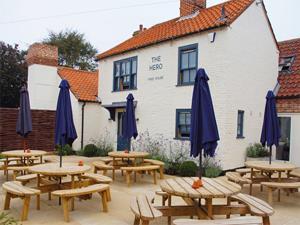
The Hero
The Hero is a laid-back pub set in the beautiful village of Burnham Overy Staithe, just 5 minutes from Burnham Market. We welcome dogs and provide biscuits for four-legged friends that deserve a treat after long beach walks!
The Jolly Sailors
The Jolly Sailors is a real gem – it has it all. It is said that many a smuggler along the coast in days gone by, enjoyed a pint or two at the Jolly.
The Lodge Restaurant
Dine in the bar, outside in the garden or enjoy the friendly atmosphere of the restaurant. The bar offers a great selection of wines, real ales and cocktails.
The Mariner
Picture yourself in a village pub with one of the most spectacular views of the sea and beach in Norfolk, looking out across the Wash.
Wittles Castle Acre
Wittles Castle Acre is a place to enjoy the everyday delicious. Carefully sourced, relaxed dining and packed with flavour. Dog friendly.
Dog Friendly Walking Trails
There are several noted dog walking trails, of varied terrain, dotted throughout west Norfolk. Visit the Explore West Norfolk website for a self-guided tool to explore such trails with your canine companions.
Please note that the information provided on this webpage was accurate on the date and time it was updated [23/03/26 at 10:40]. Details may have changed after this time and date.
With history dating back to pre-Roman times, it’s no surprise that west Norfolk has been home to many significant historical figures over the years. From legendary authors and stage performers to avid explorers and successful innovators, we have compiled a list featuring some of west Norfolk’s most famous (and infamous) connections.
Captain George Vancouver | King’s Lynn
[Born 1757]
King’s Lynn was once home to Captain George Vancouver, the British royal navy officer, navigator and surveyor who completed one of the most challenging surveys ever undertaken.
The English navigator was born in the seaport town on 22nd June 1757. Between 1791 and 1795, he famously explored and charted the northwest pacific coastline from San Diego California to Anchorage Alaska. His legacy lives on today with many locations bearing his name including Vancouver Island, Vancouver River, Mount Vancouver, Vancouver in Washington and the city of Vancouver in British Columbia. Vancouver Quarter, the shopping centre in King’s Lynn, is also named after him!
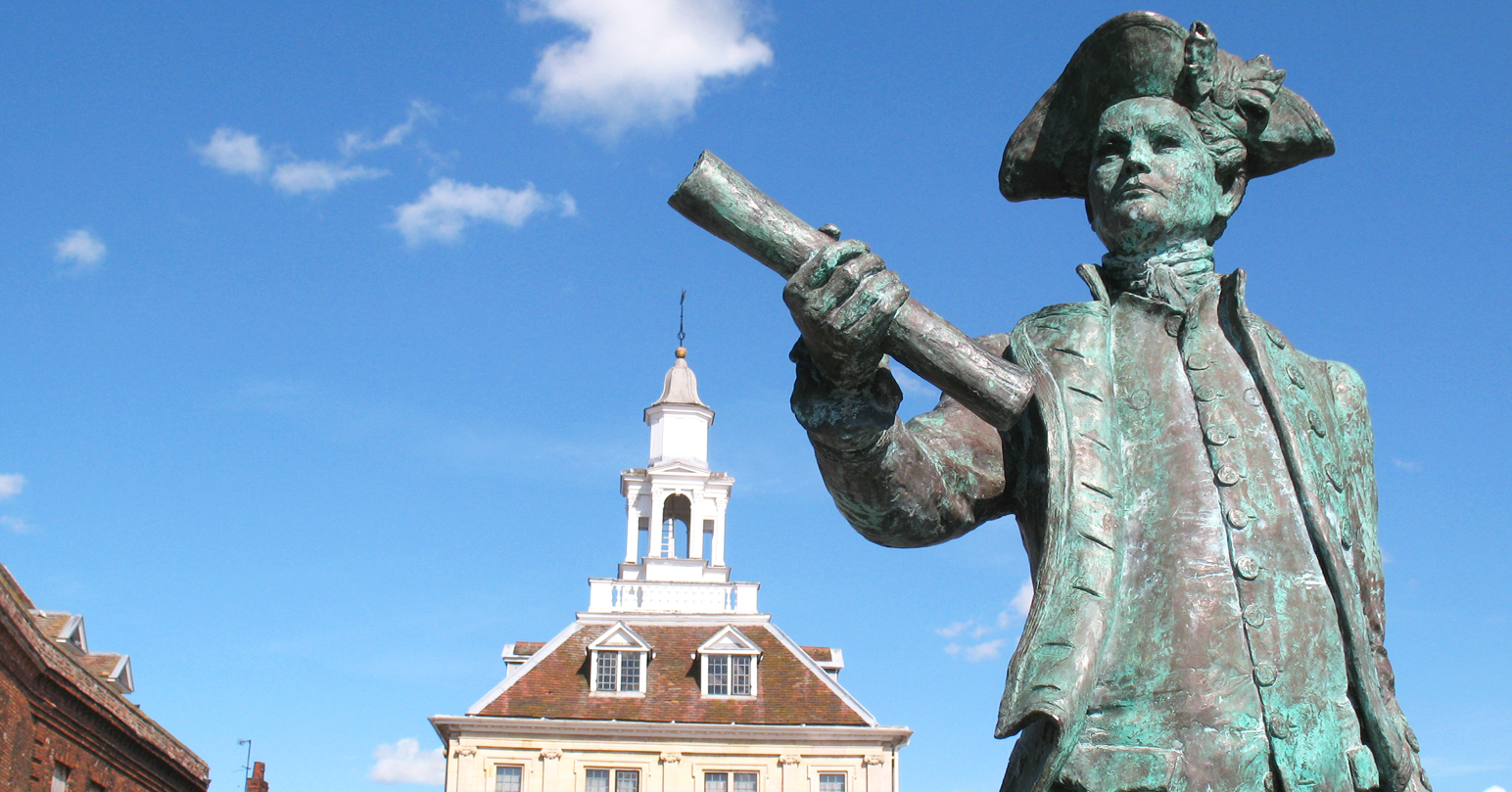
On the Purfleet Quay in King’s Lynn, you will find a bronze statue of Captain George Vancouver holding a telescope and a scroll. The plinth is made of stone from the Pacific West Coast of Canada.
Frances Burney | King’s Lynn
[1752 – 1760]
Frances Burney, also known as Fanny Burney and Madame d’Arblay, was an English satirical novelist, diarist and playwright.
Burney was the daughter of the celebrated musician and musicologist, Dr. Charles Burney. She was born in King’s Lynn (then Lynn Regis) in 1752 and later moved to London with her family in 1760.
During her lifetime, Burney wrote four novels, eight plays, one biography, and twenty-five volumes of journals and letters. Her first novel, Evelina, was published anonymously in 1778 and was a critical success, considered a landmark in the development of the novel of manners.
Captain Samuel Gurney Cresswell | King’s Lynn
[Born 1827]
Captain Samuel Gurney Cresswell was the first naval officer to cross the entire Northwest Passage. The arctic explorer and artist was born in King’s Lynn on 25th September 1827. During the Arctic expedition in search for the Northwest Passage, Cresswell was appointed the second lieutenant and artist aboard the HMS Investigator under Robert McClure, the Irish naval officer and explorer. Although Robert McClure was in charge of the voyage, Cresswell technically reached England first. Cresswell’s paintings and sketches provide a valuable pictorial record of the Arctic excursion and the activities onboard the HMS Investigator.
The east stain-glass window in King’s Lynn Minster was presented by Cresswell in 1866, a year before he passed away in the historic town.
Frederick Savage | King’s Lynn
[1851 – 1897]
Frederick Savage, the Victorian Fairground Manufacturer, moved to King’s Lynn in 1851 and lived there until his death in 1897. The pioneering engineer invented the system for running fairground carousels using a horizontally mounted steam engine at its core. Starting out as a farm labourer, he later went into the business of agricultural machinery and fairground machinery, producing engines for carousels and merry-go-rounds. Later on in his life, Savage was appointed Justice of Peace and became the Mayor of King’s Lynn from 1889 to 1890.
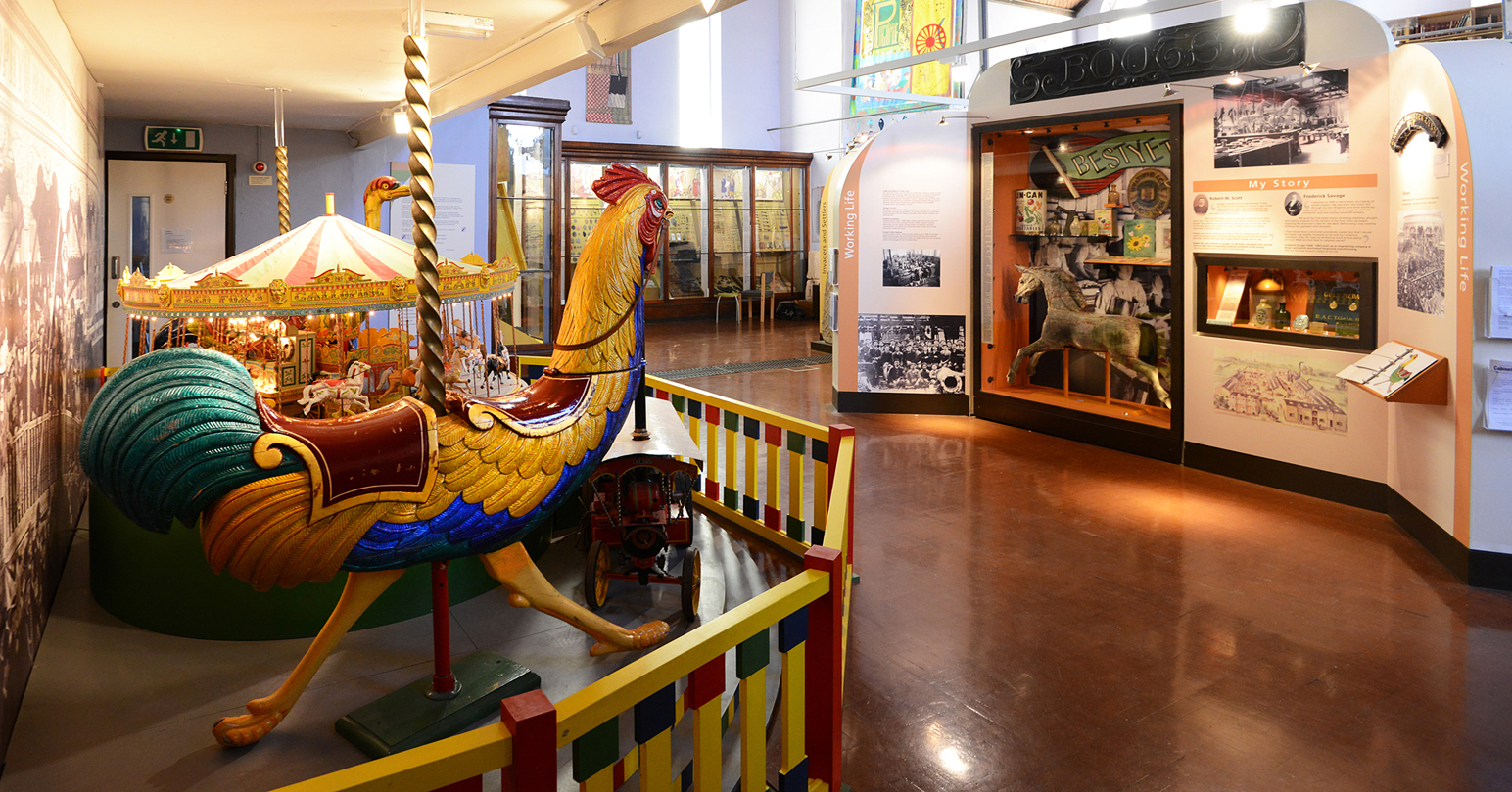
A monument of the late engineer can be found at the junction of London Road in King’s Lynn. The statue was a part of Banksy’s Great British Spraycation series of artworks in 2021. You will also find fine examples of his work at Lynn Museum including magnificent carved fairground gallopers.
Carved fairground gallopers on display at Lynn Museum, King’s Lynn.
Statue of Captain George Vancouver on the Purfleet Quay, King’s Lynn.
William Shakespeare | King’s Lynn
[1593]
The world famous playwright, poet and actor is believed to have performed in the historic town of King’s Lynn during the late 16th century. Recent academic research by the UEA supports the notion that Shakespeare performed at St. George’s Guildhall in 1593, alongside the Earl of Pembroke’s Men. This was during the time when London playhouses and theatres were closed due to the outbreak of the Bubonic Plague.
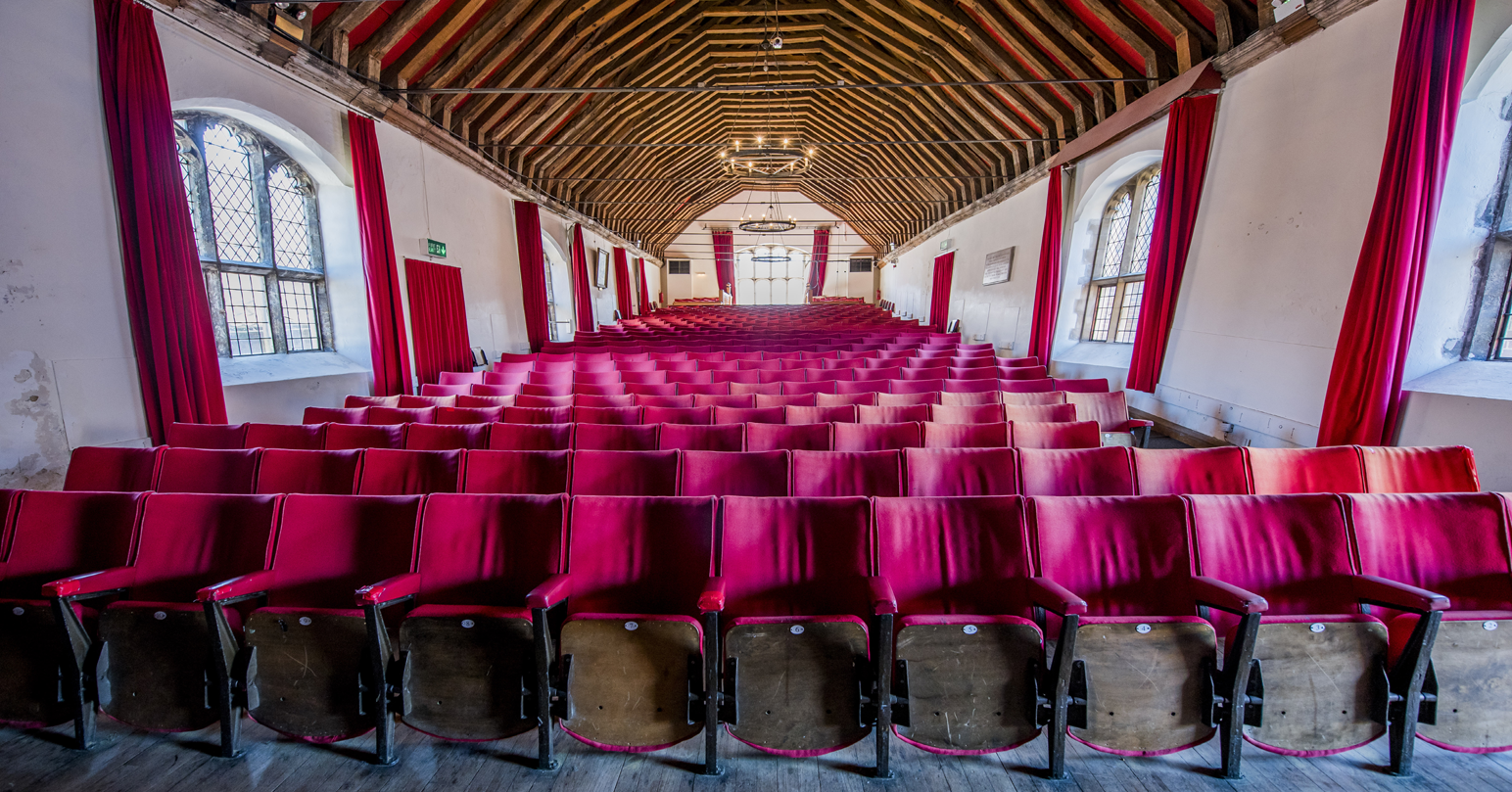
St. George’s Guildhall is the oldest working theatre in the UK, with performances dating back to 1442. Robert Armin, Shakespeare’s leading comedy actor, was born in King’s Lynn and performed at the Guildhall. He is credited with all the “licensed fools” including the Fool in ‘King Lear’, Feste in ‘Twelfth Night’, and Touchstone in ‘As You Like It’, among others.
Isabella of France | Castle Rising
[1332 – 1358]
Isabella of France, the daughter of Philip IV of France, was the Queen Consort of King Edward II between 1308 and 1327. Nicknamed the “She-Wolf of France”, Isabella is most famous for leading an invasion of England that resulted in the deposition of King Edward II in January 1327. Their son, Edward III, was crowned king the following month at the age of 14. King Edward II was imprisoned and died in September 1327; many people believed that Isabella was responsible for the murder of her late husband. After her fall from power, she was held under house arrest at Windsor Castle until she was moved to Castle Rising Castle in west Norfolk in 1332. During her stay in Castle Rising, she lived a very regal lifestyle, however it is said that Isabella suffered ‘bouts of madness’. The castle was used as one of Isabella’s main residences until her death in 1358.
Charles Burney | King’s Lynn
[1751 – 1760]
Charles Burney was an English music historian, organist and composer who was the father of writers Frances and Sarah Burney, the classicist Charles Burney, and the explorer James Burney.
At 19 years old, Burney produced music for Thomson’s Alfred at Drury Lane Theatre in London and was later appointed organist at St. Dionis Backchurch in 1749. Due to ill health, he moved to King’s Lynn (then Lynn Regis), where he took a post as an organist at St. Margaret’s Church. Burney lived in King’s Lynn between 1751 and 1760. During this time, his children Susan, Charles and Frances, the famous satirical novelist, was born. The Burney family moved back to London in 1760.
Margery Kempe | King’s Lynn
[Born 1373]
Margery Kempe was born as Margery Burnham (or Brunham) in King’s Lynn around 1373. She was an English Christian mystic and visionary, known for writing in dictation one of the oldest examples of an autobiography written in the English language , known as “The Book of Margery Kempe”. As Kempe was illiterate, she employed an Englishman (who had lived in Germany) as a scribe for the book and later persuaded a priest to rewrite and finish the medieval text. The book details Kempe’s life, her pilgrimages to holy sites and mystical interactions with biblical figures including Jesus and God.
You will be able to find a bench commemorating Margery Kempe on the Saturday Market Place in King’s Lynn, close to the Trinity Guild of King’s Lynn where a “Margueria Kempe”, thought to have been Margery, was admitted.
Inside St. George’s Guildhall in King’s Lynn, where Shakespeare is believed to have performed during the late 16th century.
Castle Rising Castle, one of Isabella of France’s main residences between 1332 – 1358.
Robert Walpole | Houghton
[Born 1676]
Robert Walpole is the longest serving Prime Minster in British History and is often viewed as Great Britain’s first prime minister.
Born in Houghton in 1676, Walpole was one of nineteen children to Robert Walpole Senior, a member of the local gentry and a Whig politician who represented the borough of Castle Rising in the House of Commons. Walpole won the seat as MP for Castle Rising, following Walpole Senior’s death in 1701. In 1702, Walpole left this seat to represent King’s Lynn, where he would retain for the remainder of his political career as a representative of the Whig party.
He was later appointed as a member of council to Prince George of Denmark, the Secondary of War and the Treasurer of the Navy between 1705 – 1710.
In 1712, Walpole suffered a setback when the ruling of the Tories tried him for accepting an illegal payment as the Secretary of War. As a result, he was found guilty, expelled from Parliament and was imprisoned in the Tower of London for six months.
The Whig Party regained power in 1714 and by 1721, Walpole was appointed First Lord of the Treasury, Chancellor of the Exchequer and Leader of the House of Commons. He was the First Lord of the Treasury for over twenty years and played an important role of restoring Government credit after the South Sea Bubble financial crisis.
Admiral Lord Nelson | Burnham Thorpe
[Born 1758]
Admiral Lord Nelson, in full ‘Horatio Nelson, Viscount Nelson of the Nile and Burnham Thorpe’, was a British naval commander for the Royal Navy. Born in Burnham Thorpe on 29th September 1758, Nelson was the sixth of eleven children and grew up deeply religious, following the Christian faith throughout his life. His father, Reverend Edmund Nelson, was an English parish priest and records from Burnham Thorpe church suggest that Nelson often assisted him as a child.
At the age of 12, Nelson joined the navy as an apprentice and worked in the lower naval ranks. He was given his own ship and made captain by the age of 20, where he experienced sailing in the West Indies, Baltic and Canada. When Britain entered the French Revolutionary Wars in 1793, Nelson was assigned to the Mediterranean and achieved significant victories against the Spanish at Cape Vincent in 1797 and at the Battle of Copenhagen in 1801.
In January 1801, Nelson was promoted to Vice Admiral of the Blue. Four years later whilst commanding the HMS Victory, Nelson died during the Battle of Trafalgar at 47 years old. The Battle of Trafalgar is considered the Royal Navy’s most famous triumph and is commemorated at Trafalgar Square in London, where you will find Nelson’s Column at its centre.
On the playing field at Burnham Thorpe, you will also find a wooden carving of Nelson at the famous Battle of Trafalgar.
Pocahontas | Heacham
[1616 – 1618]
Amonute, nicknamed Pocahontas, is famously known for fostering peace between English colonists and Native Americans during the 17th century. Born around 1596, Pocahontas was a Native American woman and the daughter of Chief Powhatan, the ruler of the Powhatan tribal nation. The Powhatan tribal nation consisted of around 30 Algonquian communities located in the Tidewater region of Virginia.
By the age of 11, Pocahontas became acquainted with colonists who settled in Jamestown in April 1607. She was taken prisoner during the First Anglo-Powhatan War in the spring of 1613. Chief Powhatan was told that Pocahontas would only be returned if he released English prisoners, returned stolen weapons and provided the colonists with food. However, her father only sent half of the ransom and Pocahontas remained imprisoned.
During her time in captivity, Pocahontas lived under the care of Alexander Whitaker and converted to Christianity. She was baptised under the name “Rebecca” and married John Rolfe, an English explorer and tobacco farmer, in 1614. On 30th January 1615, she gave birth to their son, Thomas Rolfe.
In the Spring of 1616, Pocahontas, John Rolfe and their son moved to England. During their stay, they lived in Rolfe’s family home in Heacham for two years and was considered an ‘Indian Princess’ by the English. However, before returning to Virginia, Pocahontas died of unknown causes at the age of 22.
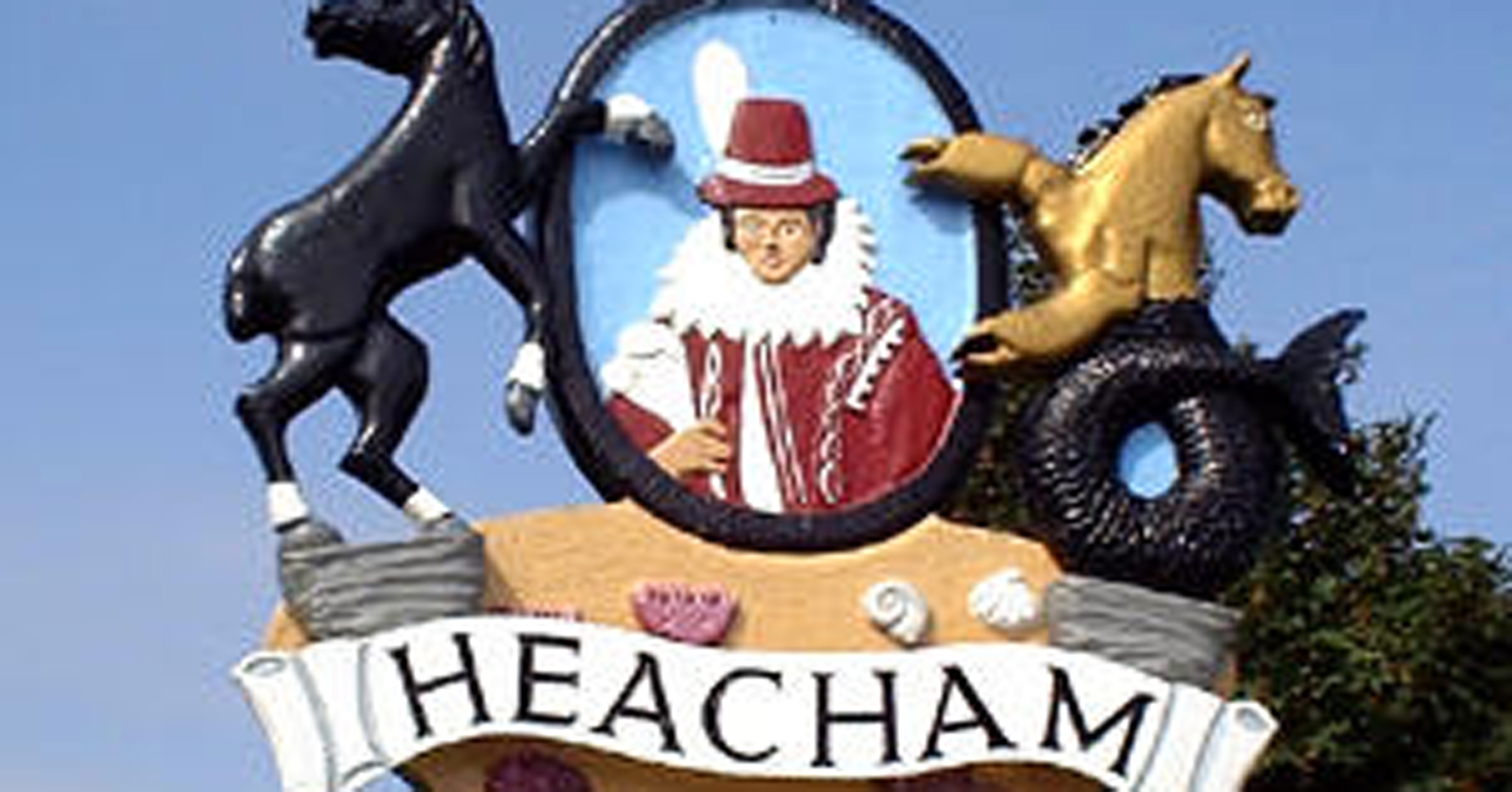
When visiting Heacham, make sure to check out the village sign which includes a figure depicting Lady Rebecca Rolfe (Pocahontas).
Henry L’Estrange Styleman Le Strange | Hunstanton
[1815 – 1862]
Henry L’Estrange Styleman Le Strange was a Victorian entrepreneur born in Snettisham on 25th January 1815. He was the only son of Henry Styleman and Emilia ‘Preedy’ Styleman and is best known for developing (New) Hunstanton into a popular seaside resort.
In 1839-40, Le Strange inherited Hunstanton Hall and 10,000 acres stretching from Wolferton to Thornham. During the mid-19th century, seaside resorts and sea-bathing were becoming very popular with many aristocrats travelling to small fishing villages like Brighton and Blackpool.
Whilst living at Hunstanton Hall, Le Strange decided to develop the southern area of Old Hunstanton as a bathing resort. In 1846, the first building was built on the Green – the New Inn – now called The Golden Lion Hotel. Le Strange also brought a group of investors together to build a railway line from King’s Lynn to Hunstanton. The line was opened in 1862, the same year Le Strange died at the age of 47. The Lynn Hunstanton Railway was a major factor in developing Hunstanton as a seaside resort. Due to fewer passengers using the line, British Rail closed the railway on 5th May 1969.
On Hunstanton Green, you will find a life-size statue of Henry L’Estrange Styleman Le Strange looking proudly over the Wash.
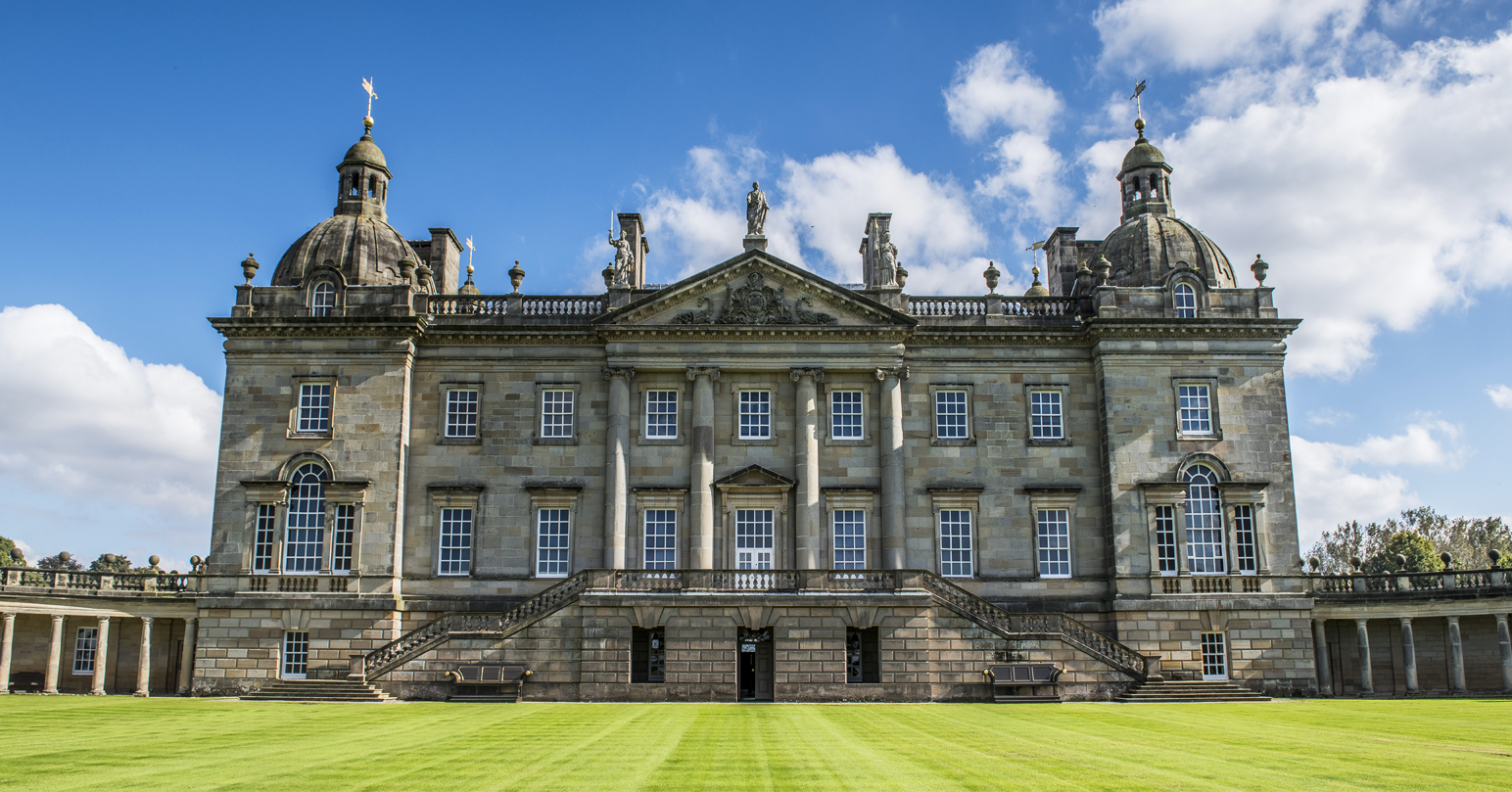
Houghton Hall was built in 1720’s for Great Britain’s first Prime Minister, Sir Robert Walpole.
A figure depicting Pocahontas on the village sign for Heacham.
St. Edmund | Hunstanton
[855 – 869 A.D]
St. Edmund, also known as Edmund the Martyr and Edmund of East Anglia, was the first patron saint of England and is considered Hunstanton’s most famous visitor.
Edmund was born into the Wuffing family who had ruled East Anglia for over 200 years. After spending his childhood living in Saxony (northern Germany), Edmund set sail to East Anglia and landed in Hunstanton in 855 A.D. to claim his throne. Edmund was crowned King of Northfolk (Norfolk) in 855 A.D. and King of Southfolk (Suffolk) the following year. At his coronation on Christmas Day 855 A.D, 14 year old Edmund took an oath to protect his people from any threat from neighbouring kingdoms.
In 865 A.D., the Vikings arrived in the north of England. Lead by Ivarr the Boneless, the Vikings brought their Great Heathen Army to East Anglia and engaged in an enormous battle with Edmund’s forces in 869 A.D. The Vikings demanded Edmund to renounce his religion and rule under Viking Law. Edmund refused to do this but to save his kingdom from further suffering, he surrendered to the Vikings. As a result, the Vikings whipped and beat him, tied him to a great oak tree and used his back for target practice. On 20th November 869 A.D., Edmund was beheaded. His head was discarded in a nearby forest, hidden amongst the undergrowth. Edmund’s body was later found by his followers, all arrow wounds upon Edmund’s undecayed body had healed and his head was reattached.
Edmund was eventually buried in Bedricsworth (now Bury St. Edmunds) where a religious community was founded, and St. Edmund was adopted as the Patron Saint of England.
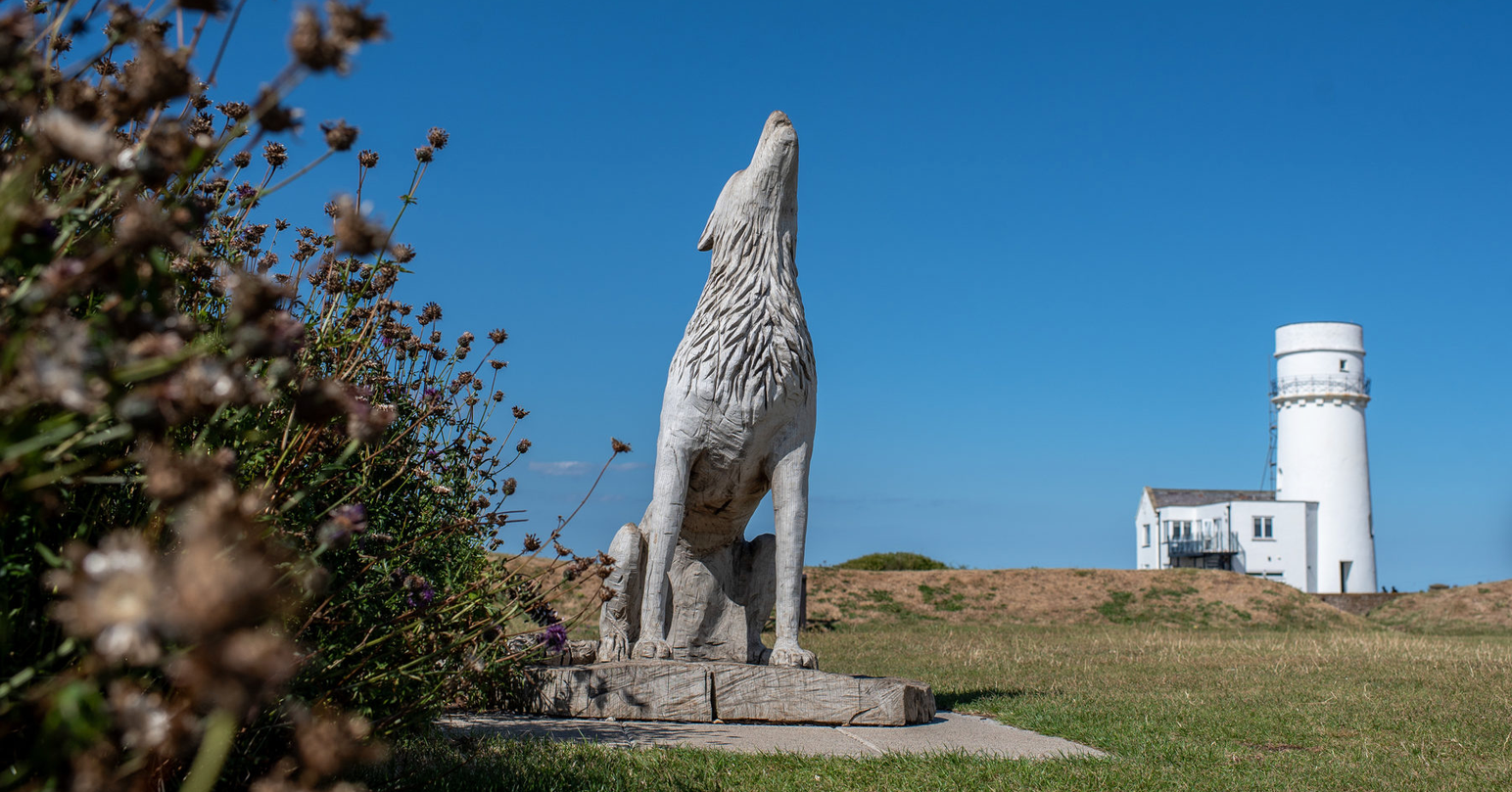
In Hunstanton, you can follow the Wolf Trail to trace the story of St. Edmund and visit the ruins of St. Edmund’s Chapel, which was built in memory of St. Edmund in 1272.
King Edward VII | Sandringham
[1863 – 1910]
Edward VII, the eldest son of Queen Victoria and Prince Albert, was the Prince of Wales and heir to the British throne for 60 years. Following the premature death of his father, Prince Edward visited Sandringham Hall and purchased the property in October 1862. The Prince moved into the old Hall with his new wife, Princess Alexandra of Denmark, in March 1863. However, the Old Hall was deemed unsuitable for their growing family and was demolished in 1865. By 1870, Sandringham Hall was rebuilt into its current red brick form. A ballroom and additional guest and staff accommodation was later added.
Prince Edward succeeded the throne on 22nd January 1901, on the death of his mother Queen Victoria. Sandringham Gardens were first opened to the public in 1908 by King Edward VII. Following his death in 1910, Sandringham Estate was passed on to his son, George V, who opened the Museum in 1930. The late queen, Elizabeth II, opened Sandringham House to the public in 1977 during her Silver jubilee year.
Frank Winnold Prentice | Downham Market
[Born 1889]
Frank Winnold Prentice was a British merchant seaman and the Assistant Storekeeper on the RMS Titanic, a luxury passenger liner which sank on 15th April 1912. Prentice was born in Downham Market to Henry “Harry” Frank Warner Prentice and Elizabeth Sherwood. On 10th April 1912, he boarded the RMS Titanic and was in his berth on the port side of E deck when the ship struck the iceberg four days later. Shortly after the collision, Prentice assisted in the loading of the lifeboats, helping women and children reach safety. By 2:05am on 14th April 1912, all lifeboats had left the RMS Titanic. Prentice and three men decided to jump from the vessel before it sank. They climbed over the Titanic’s railing and fell 100ft into the icy waters of the North Atlantic. Prentice survived the fall and eventually reached Lifeboat 4, where occupants helped pull him aboard. Lifeboat 4 was later picked up by the rescue ship RMS Carpathia at 8:00am, which arrived in New York on 18th April 1912.
Prentice passed away on 19th May 1982 in Bournemouth, Dorset. At the time of his death, he was the second to last surviving crewmember of RMS Titanic.
Eugene Aram | King’s Lynn
[1758]
Eugene Aram was an English philologist who moved from Yorkshire to King’s Lynn in 1758. He was appointed as the new usher (second schoolmaster) for King’s Lynn Grammar School.
Little did they know that their new usher was hiding a very dark secret. In Knaresborough, Daniel Clark, a local shoemaker, was missing. Witnesses claimed that Aram was the last person seen with Clark and shortly after his move to King’s Lynn, a workman uncovered a skeleton thought to be that of Clark. Accusations from his friend Richard Houseman and circumstantial evidence was building up against Aram, and as a result, he was tracked down at King’s Lynn Grammar School and arrested in August 1758. Aram was sent to Tyburn Prison in York and after a three day trial, was found guilty and sentenced to death by hanging.
In 1993, Aram’s skull was returned to King’s Lynn and gifted to Stories of Lynn Museum by the Royal College of Surgeons. Visitors can see the skull on display beside a skull fragment believed to be from his victim, Daniel Clark.
The Hunstanton Wolf Trail which tells the story of St. Edmund, the first patron saint of England.
Sandringham House, the royal residence of King Edward VII and Princess Alexandra of Denmark.
George William Manby | Denver
[Born 1765]
George William Manby, the famous inventor and author, was born in the village of Denver on 28th November 1765. His father was Captain Matthew Pepper Manby, the lord of the manor of Wood Hall in Hilgay. In 1813, Manby invented and patented the “Extinctuer”, the first ever portable pressurised fire extinguisher. The Extinctuer consisted of a copper vessel of 3 gallons of pearl ash (potassium carbonate) solution contained within compressed air. Manby also invented the Manby Mortar, a lifesaving device that prevented shipwrecks.
Peter Hellendaal | King’s Lynn
[1760 – 1762]
Pieter Hellendaal was a Dutch composer, organist and violist who performed in King’s Lynn between 1760 and 1762.
Hellendaal was born in Rotterdam in the Netherlands on 1st April 1721. His father, Johannas Hellendaal, worked with amateur musicians and provided Pieter with a passion for music, educating him about the organ and violin.
At 10 years old, Hellendaal was appointed as the organist at St. Nicholas Church in Utrecht. By 1752, he had married, started a family and moved to England to establish himself as a professional composer and violin soloist. However, he was unable to secure a steady income as a musician in London and worked as an organist for St. Margaret’s Church (also known as King’s Lynn Minster) from 1760 – 1762.
Mrs Bernard Beere | King’s Lynn
[Born 1851]
Mrs Bernard Beere, also known as Fanny Bernard-Beere, was a well-known Victorian actress born in King’s Lynn in 1851. At 26 years old, she made her stage debut at Opera Comique and performed in many plays including Shakespeare’s Othello at St. James’s Theatre and Oscar Wilde’s A Woman of No Importance at Haymarket Theatre.
Thomas Cromwell | King’s Lynn
[1610/11]
Thomas Cromwell was an English Member of Parliament during the reign of Queen Elizabeth I. After his retirement, Cromwell resided in King’s Lynn up until his death in 1610/11. The parliamentary diarist documented proceedings in the House of Commons and his work has become a valuable source for historians.
Please note that the information provided on this webpage was up-to-date on the date and time it was published [01/09/2023 at 14:00]. Details may have changed after this time and date.
Choose greener ways to travel and reduce your impact on the environment. Vehicle tailpipe emissions not only contribute to climate change, but they also release harmful pollutants into the air which can threaten wildlife and human health. Therefore, we encourage our visitors to look for sustainable transportation alternatives during their stay in west Norfolk.
In this helpful guide, we will be highlighting greener methods of travel including buses, bikes, coaches and electric vehicles.
Travelling by Coach
A coach may be considered a large vehicle, but it has the ability to carry a large haul of passengers. The average single-decker coach offers 50 seats. The average car has 5 seats. By travelling to west Norfolk via coach, you can help remove up to 10 cars off the roads and reduce the amount of harmful pollutants that are released into the air.
The National Express services run from King’s Lynn to London Victoria via Peterborough and offer comfortable seating, free Wi-Fi, charging points for your devices, and generous luggage allowance. The UK coach operator have made plans to be the UK’s most sustainable coach company, with zero emissions by 2035.
Travelling by Bus
Did you know that taking public transportation reduces CO2 emissions by nearly a half? Choosing to travel by bus instead of by car is a great way to reduce pollution, improve air quality and decrease your personal carbon footprint.
Air pollution can have a disastrous impact on humans and the environment. Not only does cleaner air mean cleaner lungs (and improved quality of life), but it can also help tackle climate change and improve crop production.
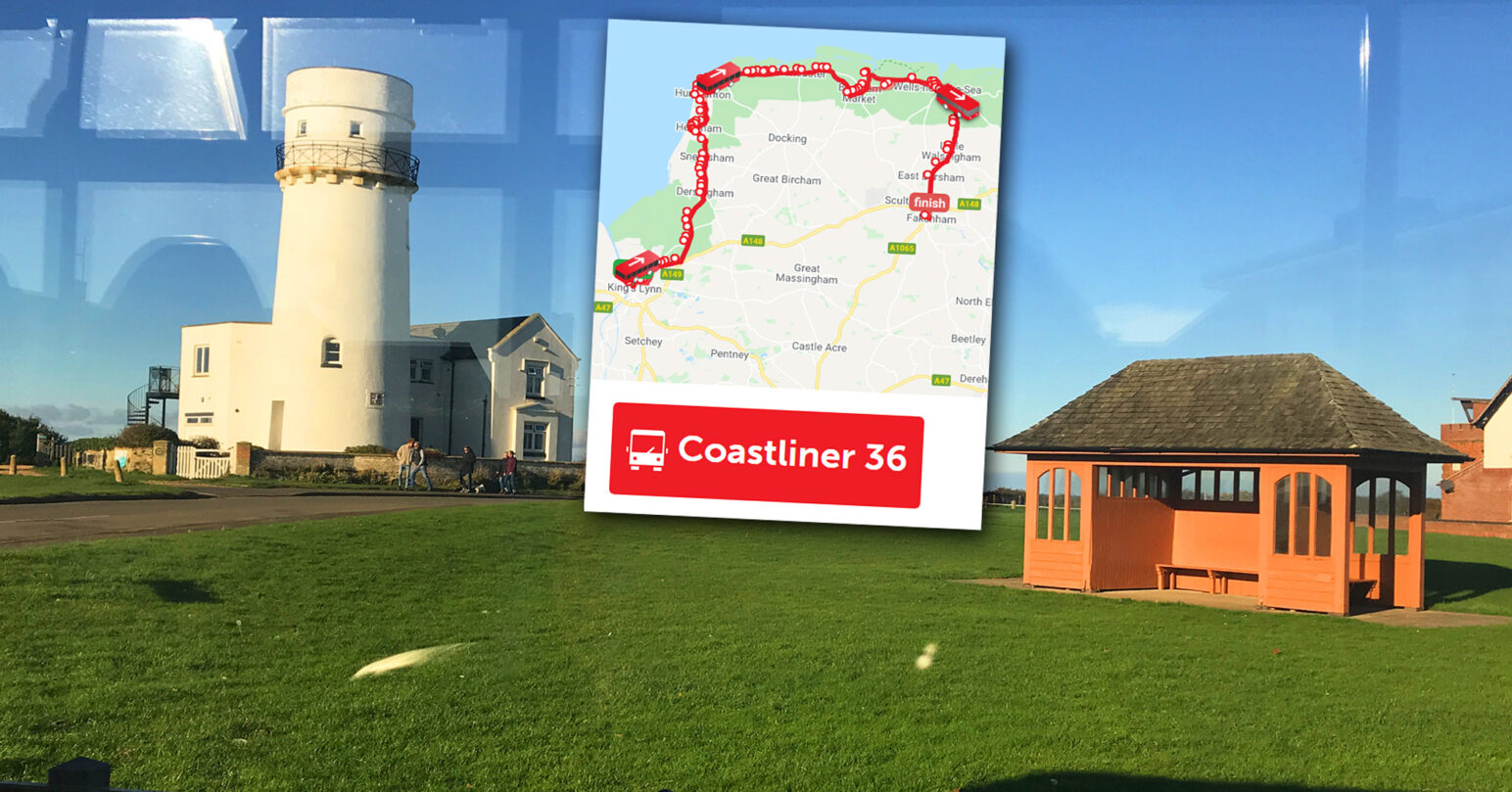
Lynx, an independent bus company based in King’s Lynn, offer services to and from many destinations in west Norfolk including Hunstanton, Downham Market, Burnham Market, and more. Their Coastliner 36 service takes you from King’s Lynn to Fakenham, stopping at the coastal hotspots Heacham, Snettisham, Hunstanton, Titchwell, Brancaster and Holkham. This is a fantastic way to explore the west Norfolk coast without the worry of traffic, parking charges and rising petrol costs. You are welcome to bring your four-legged friends too as well-behaved dogs are allowed on all Lynx buses.
Travelling by Rail
Did you know that the greenhouse gas emissions per kilometre by rail is far less than the greenhouse gas emissions per kilometre by car?
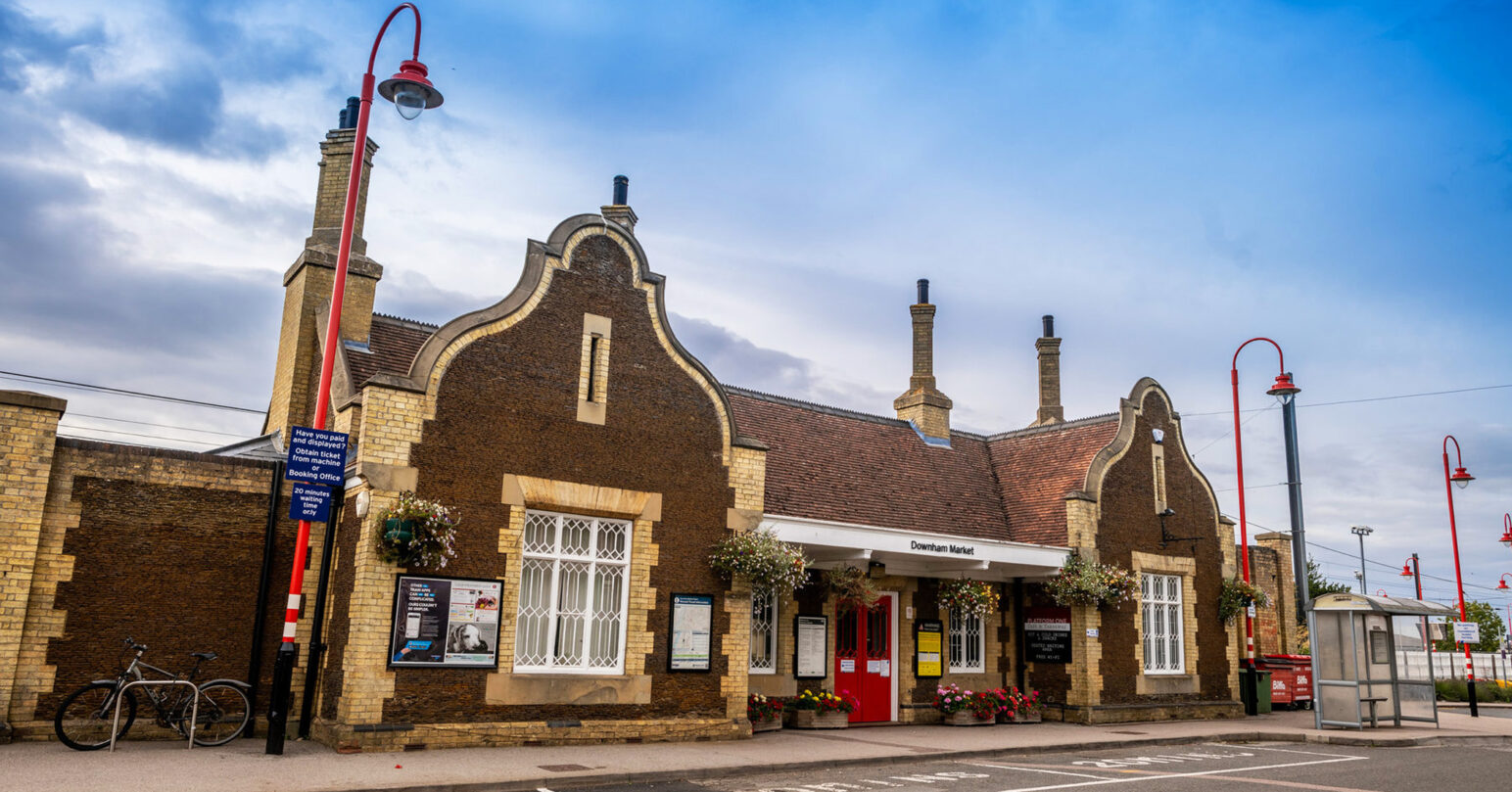
Greater Anglia and Great Northern Rail offer rail services from King’s Lynn to London with stops at Watlington and Downham Market in west Norfolk.
In their Environment and Energy Annual Report 2021, Greater Anglia saw their Scope 1 and 2 emissions reduced by another 11%, which is a total of 21% in the last two years and has prevented 25,082 tonnes of CO2 being released into the atmosphere.
Great Northern Rail are committed to delivering a more sustainable service and have embraced green initiatives to control waste and tackle energy and water consumption.
Electric Vehicles
Do you own an electric vehicle? We have created a West Norfolk Guide to Electric Car Travel which highlights the many car charging points available in King’s Lynn, Downham Market, Hunstanton and around west Norfolk.
With zero tailpipe emissions, electric vehicles are a great way to take in west Norfolk’s beautiful landscapes without leaving a lasting impact on the environment.
Cycling in and around West Norfolk
During your stay, why not hire a bike and explore west Norfolk on two wheels instead of by car. Cycling is a fantastic way to exercise, get some fresh air and embrace the great outdoors.
There are many cycling routes available for all ages and abilities on our Cycling page and Walk West Norfolk app.
You can hire all the equipment needed at AE Wallis in Heacham. Alternatively, there is a bike hire service at Burnham Deepdale and the northern area of west Norfolk is supported by the Wheel Travel service too.
Please note that the information provided on this webpage was accurate on the date and time it was published [27/02/2023 at 12:00]. Details may have changed after this time and date.
Best sunsets in west Norfolk
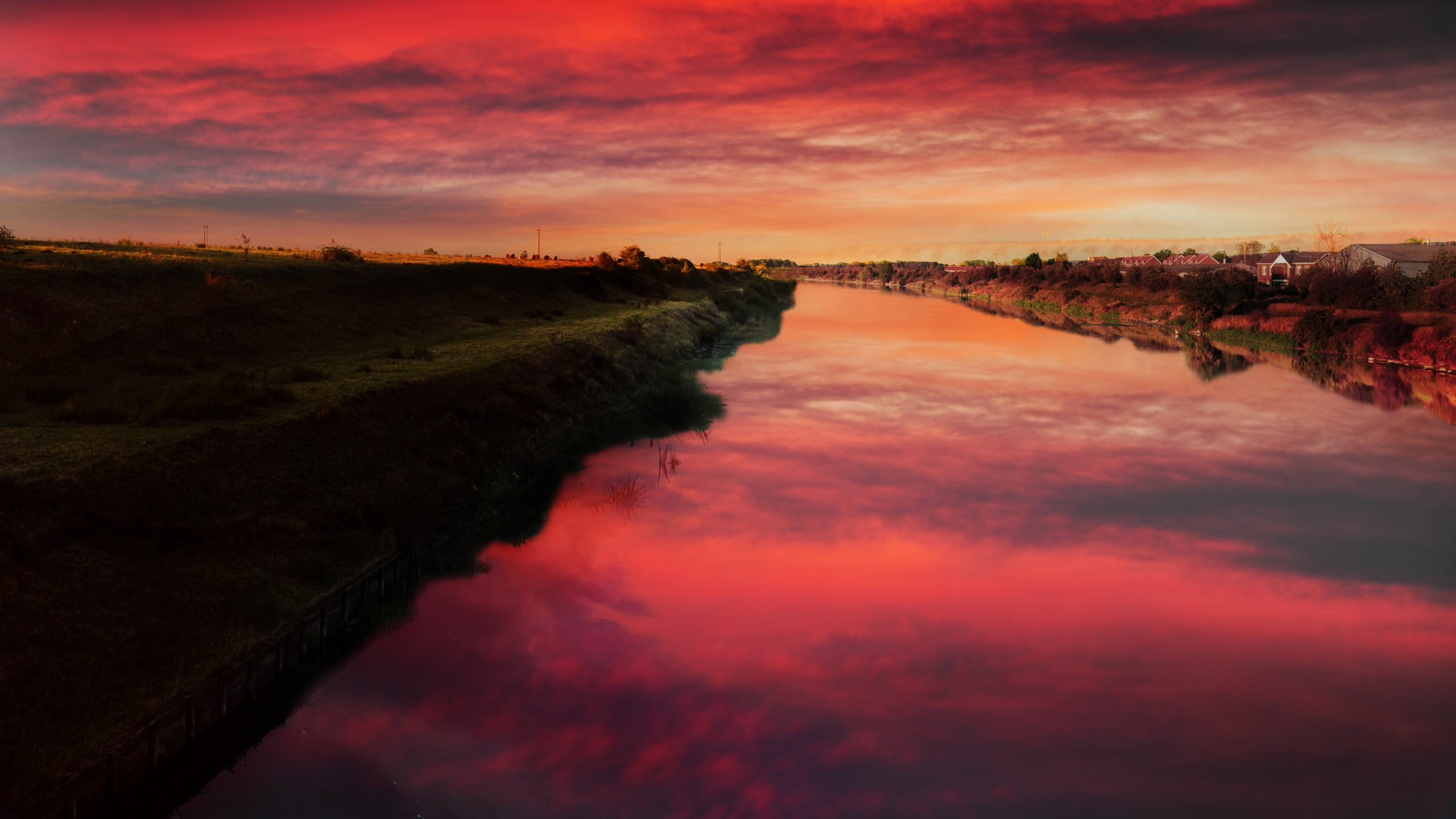
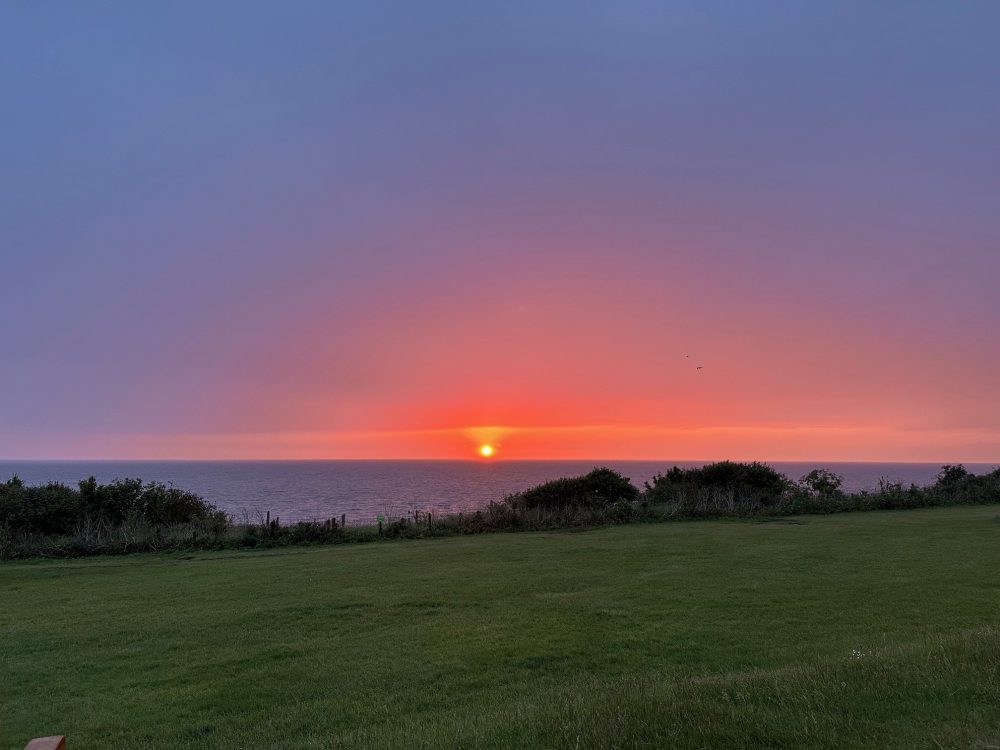
West Norfolk is lucky to share the only coastline in Norfolk where you can witness both sunrises and sunsets. The sunsets in Norfolk really are one of the most spectacular works of nature you can experience.
Frequently the skies above look like an artist has taken weeks, meticulously placing each brush stroke in the sky, transforming the Norfolk sky line into a breathtaking piece of artwork. The pink, purple, orange, yellow, blue and white merge together to create these beautiful masterpieces. Whether it’s a clear night followed by spectacular stars or a bit overcast (sometimes those are the best one’s), it’s rare that west Norfolk doesn’t have a beautiful sunset. Both as it sets over the sea and the countryside you’ll be in awe at the beauty of a west Norfolk sunset.
The best places to watch a sunset in west Norfolk
Burnham Overy Staithe
Burnham Overy is made up of two settlements, Burnham Overy Town the original village adjacent to the parish church and Burnham Overy Staithe, a rather larger settlement about 1 mile away and next to the creek-side harbour.
Between Burnham Overy Staithe and the sea, a network of tidal creeks reach out trough marshes that fringe this stretch of coast, and finally reach the sea by passing through a gap in the sand dunes known locally as Burnham Harbour. Small boats can reach Burnham Overy Staithe through this gap and creek. Today Burnham Overy Staithe, and the associated harbour, is a major recreational sailing centre. There is a comprehensive chandlery on the quayside. It is also the point of departure for boats out to the Scolt Head Island National Nature Reserve. The Hero pub and restaurant is a couple of minutes’ walk from the quayside.
Hunstanton Cliff Tops
Set a little way to the north of Hunstanton is the pleasant little village of Old Hunstanton. Just far enough from the resort town of Hunstanton the village manages to retains its own character.
The beach itself is a world away from the pebbles of Hunstanton main beach. Instead it is an expanse of fine golden sand, backed by dunes and the renown striped cliffs. With the sand gently sloping into the sea this beach is generally safe making it ideal for families.
King’s Lynn Quayside
Traditionally the quayside in King’s Lynn was where ships would come from all over Europe and the Hanse to deliver and collect goods. The South Quay is lined with warehouses, some of which are now restaurants and cafes. A hive of atmosphere Marriott’s Warehouse, The Rathskeller, and Bank House are all lovely places to enjoy a meal or drink whilst watching the sunset over the River Ouse in the evening.
Hunstanton
The seaside town began as a purposely-built resort in 1846 and retains its Victorian charm and character to this day, remaining a popular holiday destination for visitors of all ages. From buzzing family activities such as Crazy Golf, Pitch-and-Putt, and the Oasis Leisure Centre to the tranquil Esplanade Gardens there is something for everyone. The town’s array of gardens are especially delightful during the spring and summer months, and you can follow a self-guided Horticultural Trail to make sure you experience them all.
Hunstanton’s excellent beach offers ideal conditions for playing on the sand, exploring rock pools, and enjoying the sea.
Brancaster Beach
From the Hunstanton direction, the further around the West Norfolk coast you go, you will discover the quieter pleasures on Brancaster beach, with its natural dunes. From the Wash, around the long coast of Norfolk, the sea gradually retreats, giving rise to sandbanks, spits of land and silted harbours. Brancaster at low tide shows wide expanses of mud, which are important feeding areas for many birds (much of the landscape now being managed by the National Trust) and a history of shellfish farming.
Brancaster Staithe
Famous for its mussels, the fishing village of Brancaster Staithe lies on the shores of the beautiful Norfolk coast. You will find plenty of fishing boats and you can buy their catch from fresh fish stalls at the harbour or along the main road through the village. The harbour is also home to Brancaster Sailing Club, with many sailing dinghies stored in and around the harbour. If you are sailing, you can launch a boat (voluntary launching fee applies) and sail in the sheltered waters of Scolt Head Island; or if you venture a little further west along the Norfolk Coast Path you will find the Roman Fort of Branodunum, a Schedule Ancient Monument.
Plan your trip to west Norfolk
Food and Drink
The food scene in west Norfolk has exploded the last five years with amazing cafes, restaurants, and pubs popping up, along with some old favourites. Whether you’re looking for a cafe to catch up with a friend over fabulous coffee and delicious treats, or for a full meal in a village pub or a date night worth restaurant Downham Market and the surrounding villages have something for you.
Beach Guide
There is a fantastic selection of tranquil beaches to explore throughout west Norfolk, from Heacham and Old Hunstanton to Brancaster and, further east, Holkham. For a more lively seaside atmosphere, Hunstanton is a popular coastal resort for all ages with lots of beach-based activities, the guide below mostly pertaining to that particular beach.
Getting to west Norfolk
west Norfolk is easily accessible from almost anywhere in the world, with regular connections from airports and ferries. Trains regularly run from London and Cambridge with accessible connections at Ely and other stations. You’ll find all the information you need as well as links to planners and timetables below.
Mother’s Day falls on March 30th this year Stuck for inspiration? Here in west Norfolk we’ve got lots of ideas for you – from crafting activities to sweet treats, afternoon teas, Sunday lunch, and cocktails. Be imaginative this year and show the mother figure in your life how much you appreciate her! For further inspiration, make sure to check out our Experiences page
Please be aware that many experiences must be booked in advance and may be subject to availability.
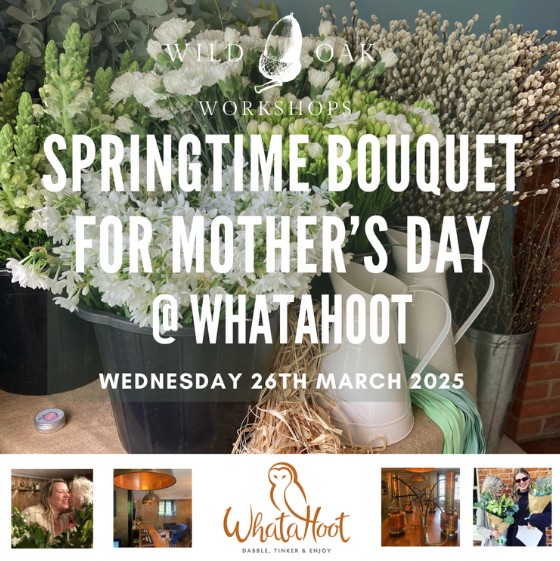
Spring Time Bouquet for Mother’s Day at WhataHoot Gin Distillery
Katie from Wild Oak Workshops has teamed up with the What a Hoot gin distillery in King’s Lynn for a unique workshop to create your very own seasonal bouquet to celebrate Mother’s Day. Join her for a choice of two sessions on Wednesday 26th March 2025, 2pm-4pm and again at 6pm-8pm Both west Norfolk-based businesses also offer a choice of other workshops throughout the year.
Creative Workshops
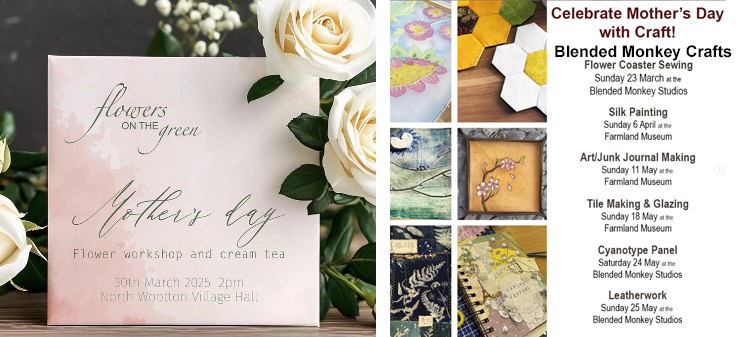
Craft experiences are becoming incredibly popular and many local businesses have created something special as ideal gifts for Mother’s Day: Flowers On The Green have partnered with Vintage Partyware to host a lovely flower workshop and cream tea at North Wootton on Mothering Sunday.
The Heacham Manor Hotel is hosting a Paint Party with Norfolk Paint Parties on Wednesday19th March These events invite guests of all skill levels to enjoy the relaxing art of painting in a fun, supportive group setting.
For the truly crafty mums Blended Monkey Crafts in Upwell have a whole programme of enjoyable workshops lined up for March and April, including patchwork design, silk painting, and clay modelling. They also offer gift certificates so the recipient can choose their own experience.
Foodie Treats for Mother’s Day
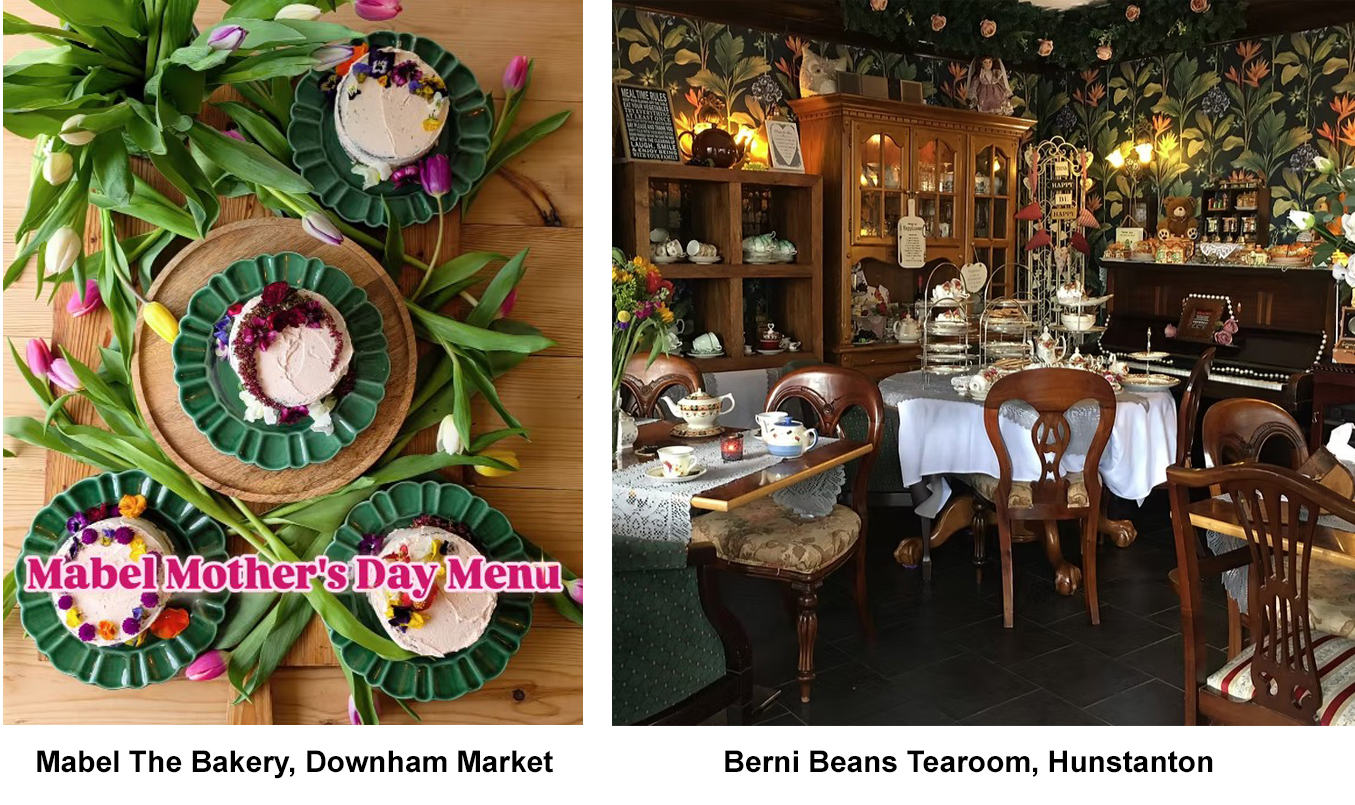
New kid on the block, Mabel The Bakery, in Downham Market has taken the town by storm since it opened last year. This year it has come up with an easy way to treat your mum to something truly special – head over to their Instagram page for the full menu. Pre-orders close Tuesday, 26th March. You can collect Saturday 29th or Sunday 30th and beat the queues!
For a traditional Sunday lunch or sweet Afternoon Tea on Mothering Sunday why not try one of west Norfolk’s fabulous independent cafes, restaurants and pubs? The Warehouse Taproom & Bar at Setchy, is laying on a special Mother’s Day lunch in their stylish venue. Or book a table at the elegant Grade II* Bank House in King’s Lynn’s historic quarter.
For a scrumptious Afternoon Tea this Mother’s Day, why not head to the quirky Tipsy Teapot in King’s Lynn? – mind the flamingos! Or for a traditional country house setting, head for Congham Hall. Or for Cottage Core with a stylish twist give the Berni Beans Tearoom in Hunstanton a try.
You can find lots more great eateries on our website here:
Relaxing Spa Breaks
If you fancy something totally relaxing, head over to King’s Lynn for a spa break at Knights Hill Hotel & Spa. The countryside retreat offers peaceful pamper breaks and spa escapes which include overnight accommodation, an aromatherapy bath, full English breakfast, and use of their leisure facilities for four hours.
Or treat you mum to a mini spa day at Congham Hall Hotel at their Secret Garden Spa. Choose from the “Vibrancy” package or the “Bespoke” package.
Lots of hotels and other guest accommodation in west Norfolk will have special offers planned for Mother’s Day. You can explore them here:
Please note that the information provided on this webpage was accurate on the date it was published [16/03/2025]. Details may have changed after this time and date.
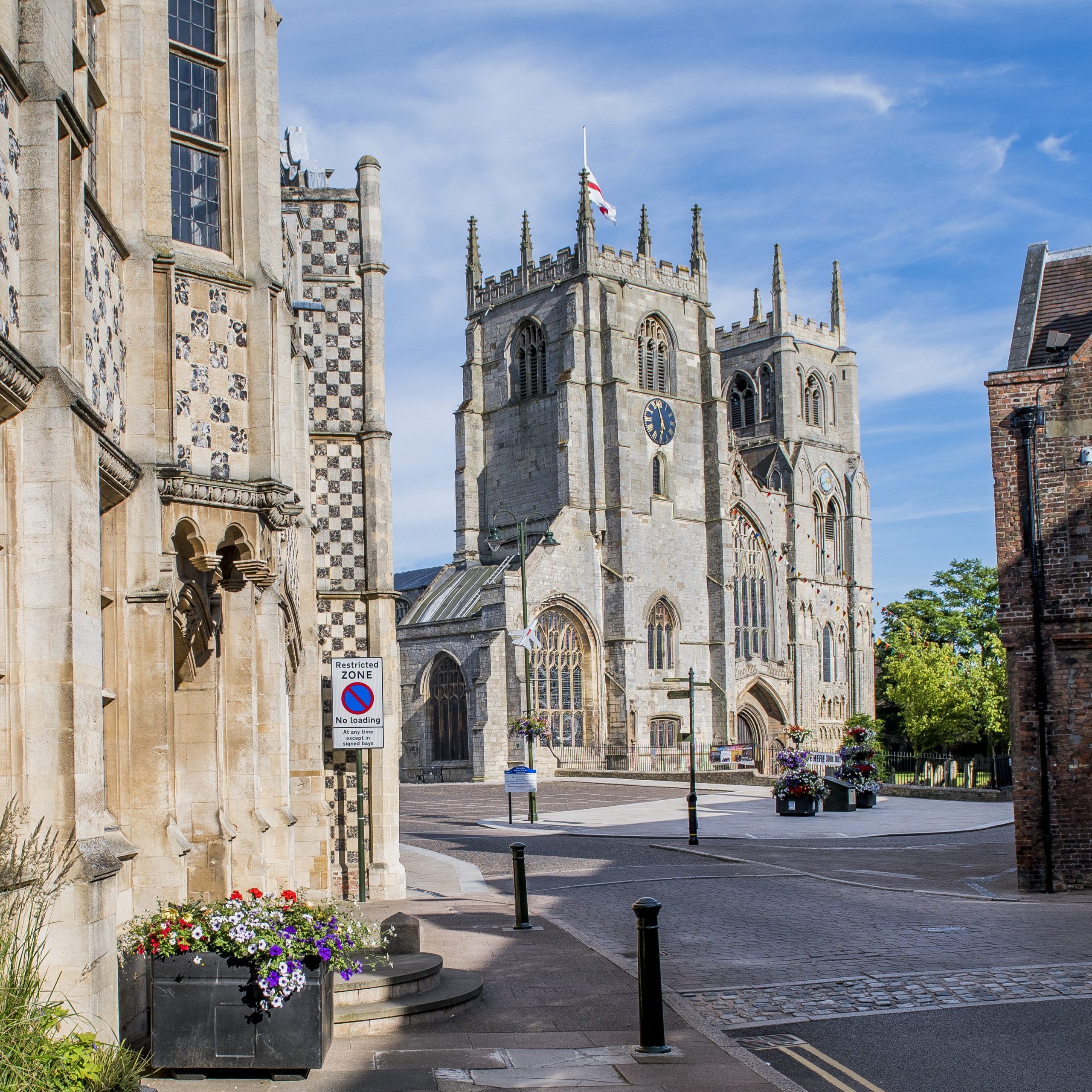
Just 1hr 45 minutes from London and 55 minutes from Cambridge lies the Hanseatic town of King’s Lynn. Lynn was one of England’s most important ports from as early as the 12th century and this maritime past is still very much in evidence today. Fine old merchants’ houses stretch down to the river between cobbled lanes and the elegant Custom House overlooks the harbour. The town’s heritage is reflected in an amazing array of historic buildings and at two magnificent market places: Saturday Market Place, where St Margaret’s Church, designated as a Minster Church in 2011 by the Bishop of Norwich, is surrounded by splendid buildings and Tuesday Market Place, quite possibly one of England’s grandest squares.
This itinerary is based on catching the train to King’s Lynn but if you come by car, then you’ll have lots more options for accommodation with tranquil stays at Watatunga, and other out of town venues.
Getting to King’s Lynn
Take the train to King’s Lynn train station. This is the great northern train from King’s Cross to King’s Lynn, it usually departs from platform 9 at King’s Cross and platform 4 at Cambridge. Please check all train times and platform numbers as things do change. Train times can be found on the National Rail website and also from Greater Anglia.
By car take the M11 from London, after passing Cambridge take the A14 towards Ely, from the A14 come off at Ely and follow the A10 north. From Cambridge take the A10 north from Milton.
Day 1:
Lunch: After your journey to King’s Lynn take a moment to sit down, relax, and enjoy a delicious, lunch at one of our fabulous local eateries. True’s Yard, Norbury’s, and Cobbles to name a few. More can be found on the King’s Lynn food and drink guide.
True’s Yard: King’s Lynn started off it’s existence as a fishing village on the banks of the Ouse at the edge of the Wash. True’s Yard is a heritage site and town museum celebrating the fishing community of the North End which made a significant contribution to Lynn’s economic and social life for 900 years. It it well worth a visit with regular art exhibitions, the museum, and a delightful tea rooms. Visit True’s Yard
Check-in: King’s Lynn has a number of hotels along with B&B’s and guest houses. In the town centre and best, location wise, for a weekend trip are the Duke’s Head, Bank House, and The Globe. Slightly further out of town you’ve got The Grange, The Old Rectory, Stuart House Hotel, and The Russet House.
Take a Walk: After checking in why not stretch your legs and go for a wander. Meander through The Walks where you’ll find Red Mount Chapel (check for opening times as it’s run by volunteers), slow down and enjoy Tower Gardens and Greyfriars Tower. We also have a number of walks ans trails around the town, available for download.
Dinner: As evening rolls around you’ll be spoilt for choice when it comes to where to eat. The question is, what do you feel like having tonight? Liquor & Loaded do a complete dining experience with American cuisine. Rathskellar and Marriott’s Warehouse both offer excellent dining experiences down by the quay. Mem’s Kitchen is a firm local favourite offering delicious Mediterranean cuisine. The Wenn’s offer delicious food under the shadow of King’s Lynn Minster.
After Dinner Entertainment: King’s Lynn is the cultural centre for west Norfolk with shows and experiences every night across the town. The Guildhall offers a range of evening events and productions, as does the Corn Exchange. The Majestic is our local movie theatre with stunning architecture (make sure to look up). Whatahoot and The Rusty Krab both offer alcoholic experiences. Take a look at our What’s On for a range of upcoming events.
Day 2:
Start off your second day slow and lazy like the Norfolk people tend to do. Enjoy the sunshine (fingers crossed) or cosy up by the fire, and start the day with a cuppa.
Breakfast: If you’re lucky enough to stay at somewhere providing breakfast then you’ll be able to have breakfast on site and believe us, you’re in for a treat. If you’d rather go out for breakfast then Poco Lounge or Cafe Roasta both do amazing breakfasts.
Guided Walk: After a leisurely breakfast why not take a guided tour around King’s Lynn with the highly knowledgeable Town Guides of King’s Lynn. Tours last roughly 2hrs and take you around the town showing you hidden gems and revealing secrets of old. Most of the tour guides are locals themselves and know the town like the back of their hands, not only will you learn about the town but you’ll be learning from a local Lynnette (The nickname for King’s Lynn locals). Walks can be booked online and we recommend doing so in advance so as not to miss out.
Lunch Time: Before catching the train home why not grab lunch at one of the eateries you haven’t tried yet and soak in those last couple of hours in King’s Lynn.
On the Train Home: After a fabulous weekend in King’s Lynn don’t forget to tag us in your photos and posts from the weekend using #visitwestnorfolk or @visitwnorfolk
*All information is accurate at the time of this blog post being published (17/07/24).
Discover more
Accommodation
Whatever the type of accommodation in west Norfolk you are looking for, we have a great deal to offer you – from country house hotels to seafront guesthouses, converted barns to farmhouses – you’ll find a great range of places to stay in the region to suit all tastes and budgets.
Travel to Norfolk
west Norfolk is easily accessible from anywhere in the world with fantastic rail links from London and major airports, along with a diverse network of bus routes and roads.n
King’s Lynn Food & Drink
The food scene in King’s Lynn has exploded the last five years with amazing cafes, restaurants, and pubs popping up, along with some old favourites. Whether you’re looking for a cafe to catch up with a friend over fabulous coffee and delicious treats, a full meal in a village pub or a date night worthy restaurant King’s Lynn and the surrounding villages have something for you.