How To Make Your Retail Business More Sustainable
As consumers become more environmentally conscious, there is a growing demand for retail businesses to prove their eco-friendly credentials.
As consumers become more environmentally conscious, there is a growing demand for retail businesses to prove their eco-friendly credentials.
The future of retail is green. Customers are choosing to purchase from shops that have a positive approach to environmental sustainability (an independent study by SmartestEnergy revealed that 81% of people prefer to buy from sustainable sellers). By creating a sustainability strategy for your retail business, you can help save the planet, build a strong identity for your brand and strengthen your customer-brand relationships.
In this brief guide, Visit West Norfolk provides tips on how you can make your retail business more sustainable. From changes like recycling to reducing your electricity usage, these green initiatives can help your retail business cultivate a more environmentally friendly business model.
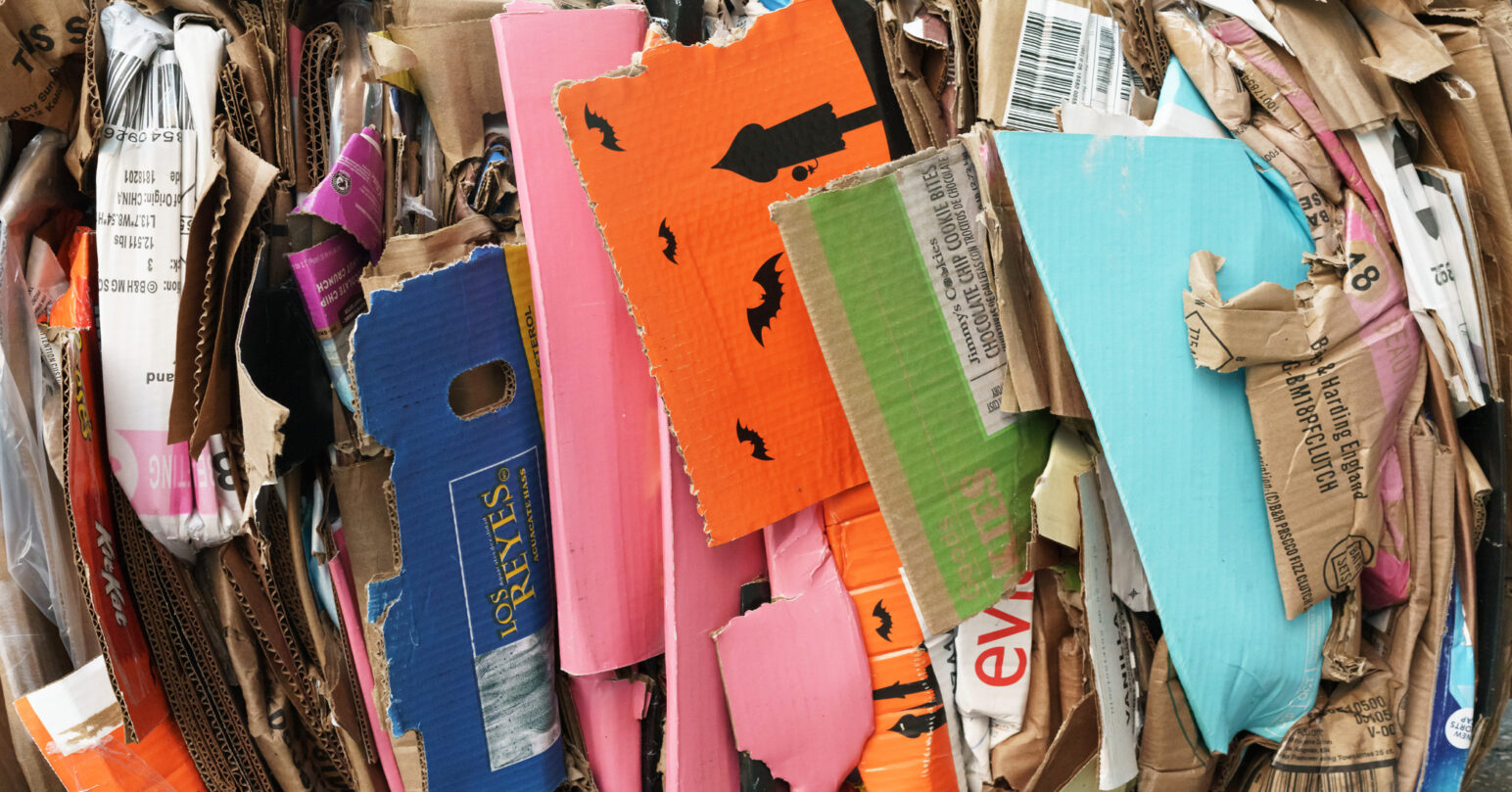
There are many advantages of recycling business waste. Recycling reduces the amount of waste you send directly to landfill and as a result, can help you save energy and lower your disposal costs.
Why not encourage your employees to recycle by adding labelled “Recycling” bins to your office. You could also provide your customers with incentives to recycle. For example, offering prizes and discounts for returned packaging.

The demand for single-use plastic bags is decreasing as more retail businesses are making the move towards more eco-friendly packaging.
Greener packaging not only decreases your environmental impact, but it can also demonstrate your commitment to sustainability and help your brand stand out amongst competitors.
When creating your eco-friendly packaging, consider the three R’s initiative. Can you reduce your packaging? Can your packaging be reused? Is your packaging recyclable?
Explore ways you can cut down on plastic waste. Consider using paper bags instead of plastic bags, selling branded reusable totes at your business and asking your customers if they need a bag before providing them with one.

The demand for second-hand and pre-loved goods is on the rise. Not only are consumers looking for more affordable products, but they are also looking for ways to reduce waste, pollution and save natural resources.
Where possible, consider incorporating this sustainable retail strategy into your business by collaborating with resale platforms and selling items as second-hand to consumers.
Are the products you sell in your shop sourced sustainably? Do you sell Fairtrade items? Are your goods made with recyclable, reusable and/or biodegradable materials?
Consumers are looking for sustainable brands. It is important for your retail business to consider selling sustainable products that meet the needs of this growing market and supports their ethical values.

A great way to make your business more sustainable is by reducing electricity usage and opting for eco-friendly appliances, lighting and equipment.
Install energy-saving lightbulbs in your shop to lower your carbon footprint and save money on your electricity bills. Switch to eco-friendly appliances that reduce your energy consumption. Where possible, even consider turning off your air-conditioning and open windows during warm working days.

Instead of sending boxes and packaging materials to landfill, why not reuse these shipping supplies for future customer orders.
Cardboard boxes can also be used for storage, and you can re-use bubble wrap and polystyrene foam to protect fragile items sold in your shop too!

Minimise your carbon footprint by cutting back on paper and switching to email receipts.
Email receipts reduce paper waste and open up a new marketing opportunity for your retail business. By transitioning to digital receipts, you can build your mailing list, accumulate more data and generate more sales by sending customer emails with embedded website links and news about upcoming promotions.
In your workspace, you can save paper by moving your employee handbook online, signing up to paper-free bank statements, and switching to an online digital calendar to schedule appointments, deliveries, and more.
The increased consumer demand for sustainability has made ‘Green Washing’ more common in the retail world.
‘Green Washing’ is when a business misleads their customers into believing that their goods and services are more environmentally friendly than they really are.
To prevent this, you need to think of sustainability as a long-term strategy in your business and back your sustainability claims with evidence where possible. Make sure that all your eco-friendly products are well-labelled, your marketing is honest and not misleading, and be transparent about your green initiatives.

Whether you want to donate financially to an environmental charity or invest in a local community project, there are many great ways your business can protect the environment by supporting an eco-friendly cause.
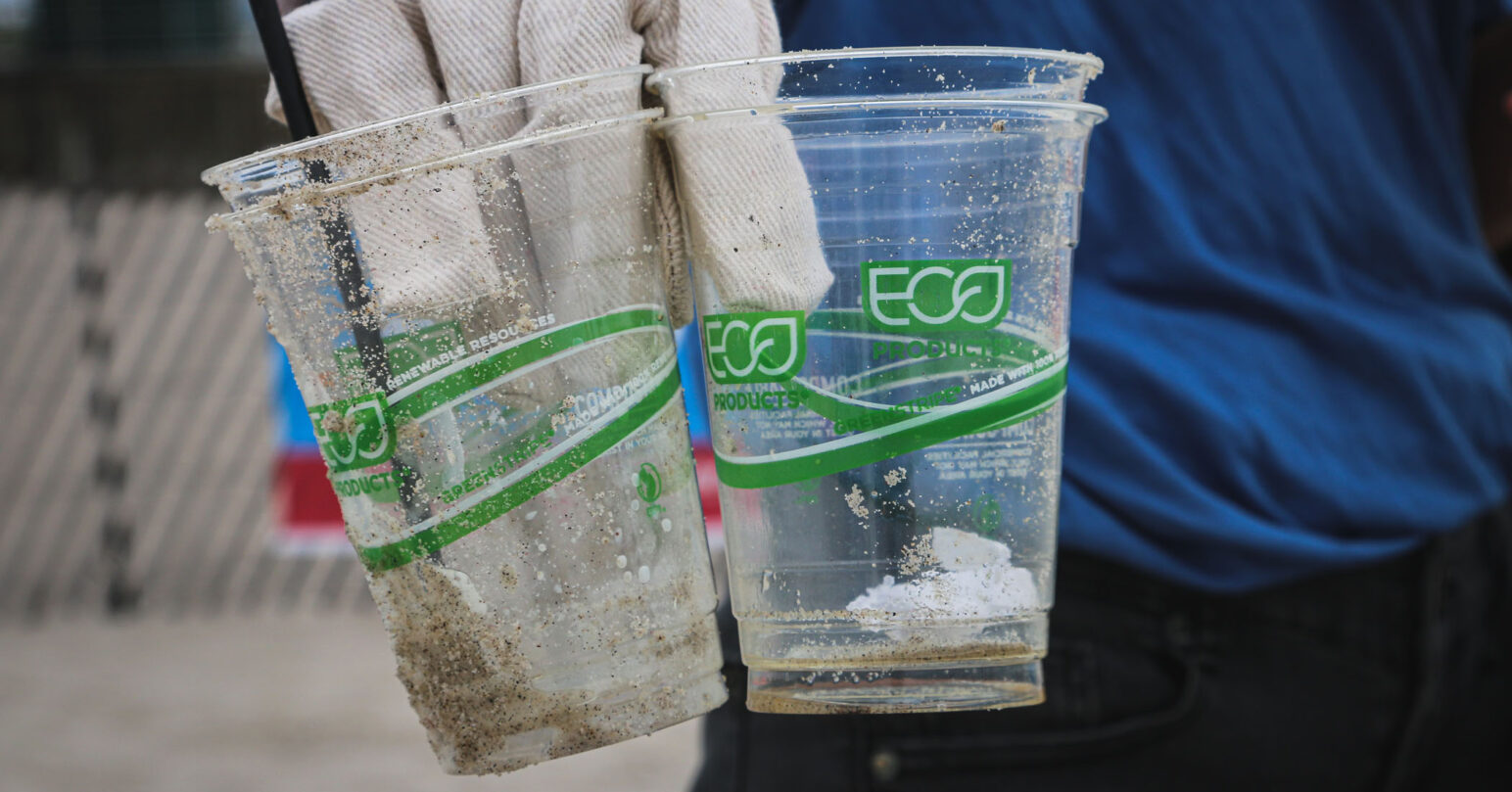
Consider taking part in volunteering activities that have a positive impact on the environment and which can show your customers that your brand takes the environment seriously, even when out-of-hours! For example, tree-planting, beach clean-ups and litter picks are very worthwhile activities for teams or groups of staff to get involved with.
The information and materials included in this guide comprises a summary of popular or otherwise mainstream views, hints and tips on sustainability in a business context; they do not constitute legal or other professional advice.
You should consult your professional adviser for legal, business or other related advice.