A couple being served in front of a bar holding a menu

How To Make Your Food and Drink Business More Sustainable

Sustainability is not a trend, but a movement. Consumers are starting to adopt more sustainable lifestyles and, as a result, they are becoming more conscious about where their food and drink is coming from (and making their dining out choices accordingly).

It is important for businesses in the food industry to consider how they can integrate green practices into daily operations to reduce their carbon footprint and meet the needs and expectations of this growing market. In this simple guide, Visit West Norfolk will be highlighting how eateries can become more eco-friendly and includes easy to implement tips that can be incorporated into different areas of your business.

Taking these green initiatives on board can help your business save money, reduce waste and reduce your environmental impact as well as help gain competitive advantage. It’s time for businesses in the hospitality industry to be a great part of the long-term solution.

1. Recycling Waste Bins

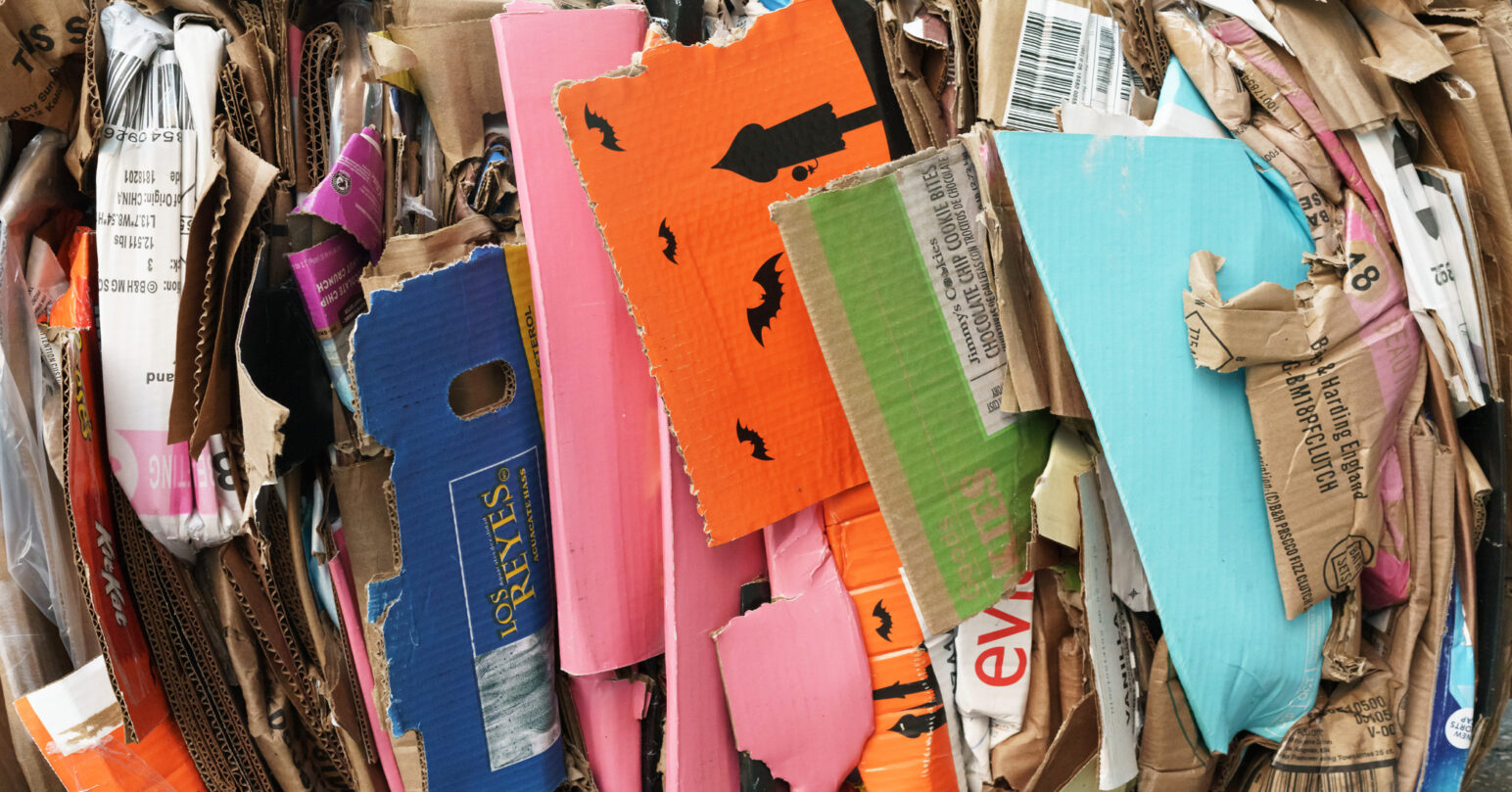
Crushed recyclable cardboard boxes

Establishing a recycling program within your food and drink business is a great way to increase efficiency, save money and decrease energy consumption.

Set up accessible and labelled “Recycling” bins around your eatery to encourage staff and customers to recycle glass bottles, paper, cardboard, tin cans and more.

2. Minimise Food Waste

A person pushing food scraps into a paper bag from a wooden board

Did you know that when food waste ends up in landfill, it rots and produces methane? Methane is one of the most damaging greenhouse gases and contributes to climate change.

You can improve this by minimising food waste. Why not start recording ingredient loss, monitoring expiration dates for perishable items, using stock control software to manage your inventory, and even reducing your portion sizes to prevent leftovers.

Not only will cutting down on food waste help save the environment, but it will also save your eatery money too.

3. Use Seasonal Products

Seasonal vegetables including onion, pepper, tomato and garlic

Updating your menu seasonally and creating dishes that incorporate seasonal products is a great way to make your business more sustainable.

This is also a fantastic opportunity to get creative, experiment with a diverse range of flavours, and cut down food costs in the process.

4. Create Plant-Based Options

A plant-based meal with vegetables and beans

As more people are reducing their meat and dairy consumption, the demand for plant-based menu options in eateries is increasing significantly.

This is a great way for individuals to reduce their negative impact on the planet and minimise their personal carbon footprint. Your business can cater to this market by offering vegan and vegetarian options on your menu. By serving less meat, you can also help reduce the amount of methane released into the atmosphere.

5. Reduce Electricity Usage

An energy-saving lightbulb

Reducing your electricity usage can help lower your carbon footprint and the cost of your electricity bills.

Why not consider switching to energy-saving light bulbs and installing timers on lights. Instead of turning on your air conditioning, open windows on warm days and train your staff to become more vigilant when it comes to preserving energy.

6. Use Less Plastic

Bamboo straws

Reduce your environmental impact and save energy by eliminating single-use plastics in your food business. Look for suppliers that are dedicated to sustainability and consider providing customers with biodegradable, compostable and recyclable materials instead.

If you offer takeaway food and deliveries, why not use compostable takeaway containers, napkins, coffee cups and cutlery, replace plastic straws with biodegradable bamboo or paper straws, and purchase food products that are packaged in paper and recyclable cardboard boxes instead of plastic.

7. Go Paperless

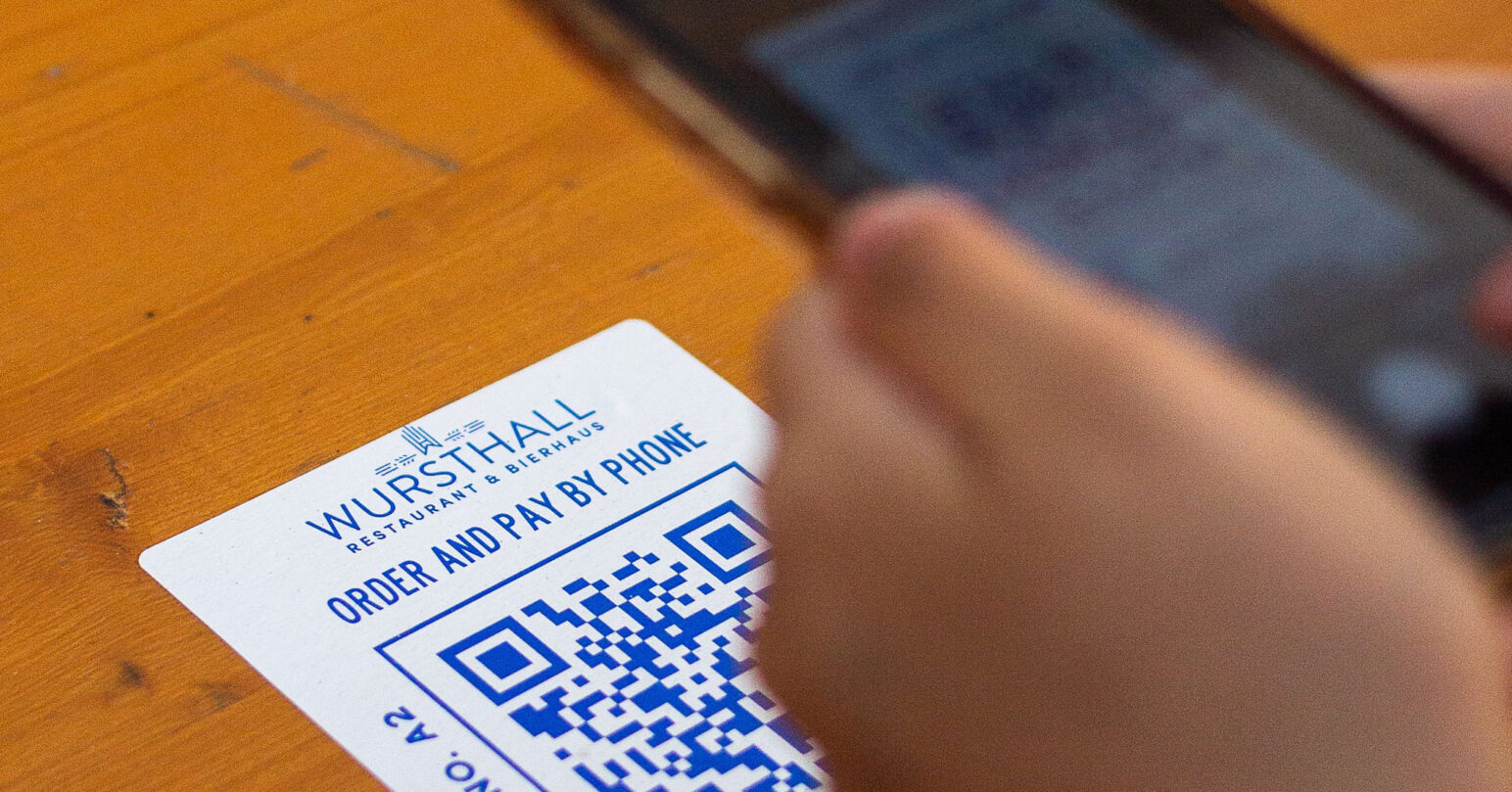
A person scanning a QR code on their phone

The increased use of QR codes during the COVID-19 pandemic has encouraged many food businesses to go paperless.

Why not join them and consider switching to a digital menu? You can provide QR codes which allow customers to access your menu online. Online menus can be updated regularly without the use (and waste) of ink and paper.

Ask your customers if they would like to receive email receipts instead of paper copies and consider moving your marketing online to prevent wasting paper and contributing to pollution.

8. Partner with Local Producers

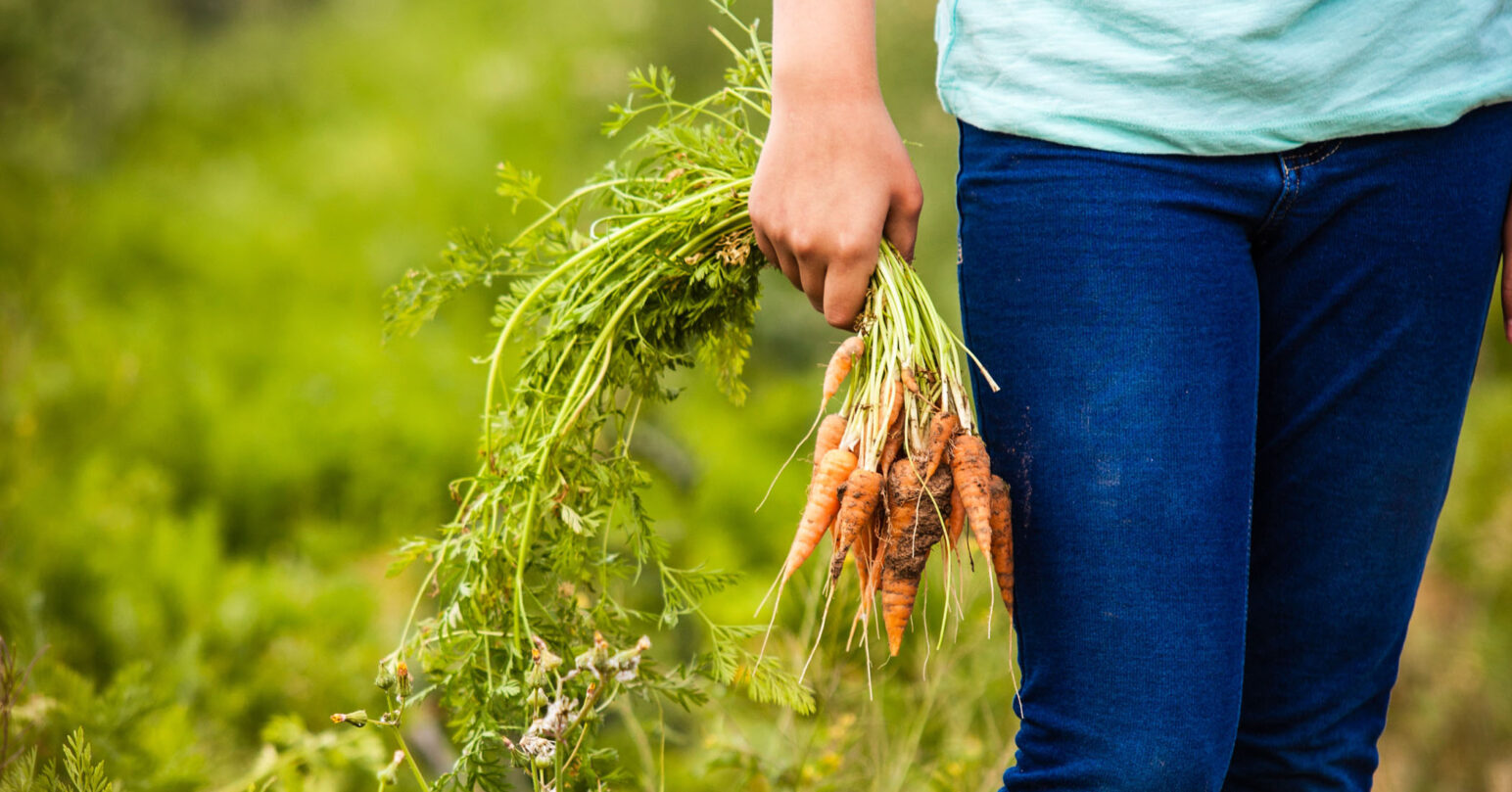
A farmer holding fresh carrots

If your ingredients have come a long way, they may be creating a significant amount of greenhouse gas emissions.

By working with local suppliers, you can help reduce your carbon footprint and help boost your local economy. Locally sourced ingredients are considered fresher, better quality, and can help your business connect with your community.

9. Reduce Water Consumption

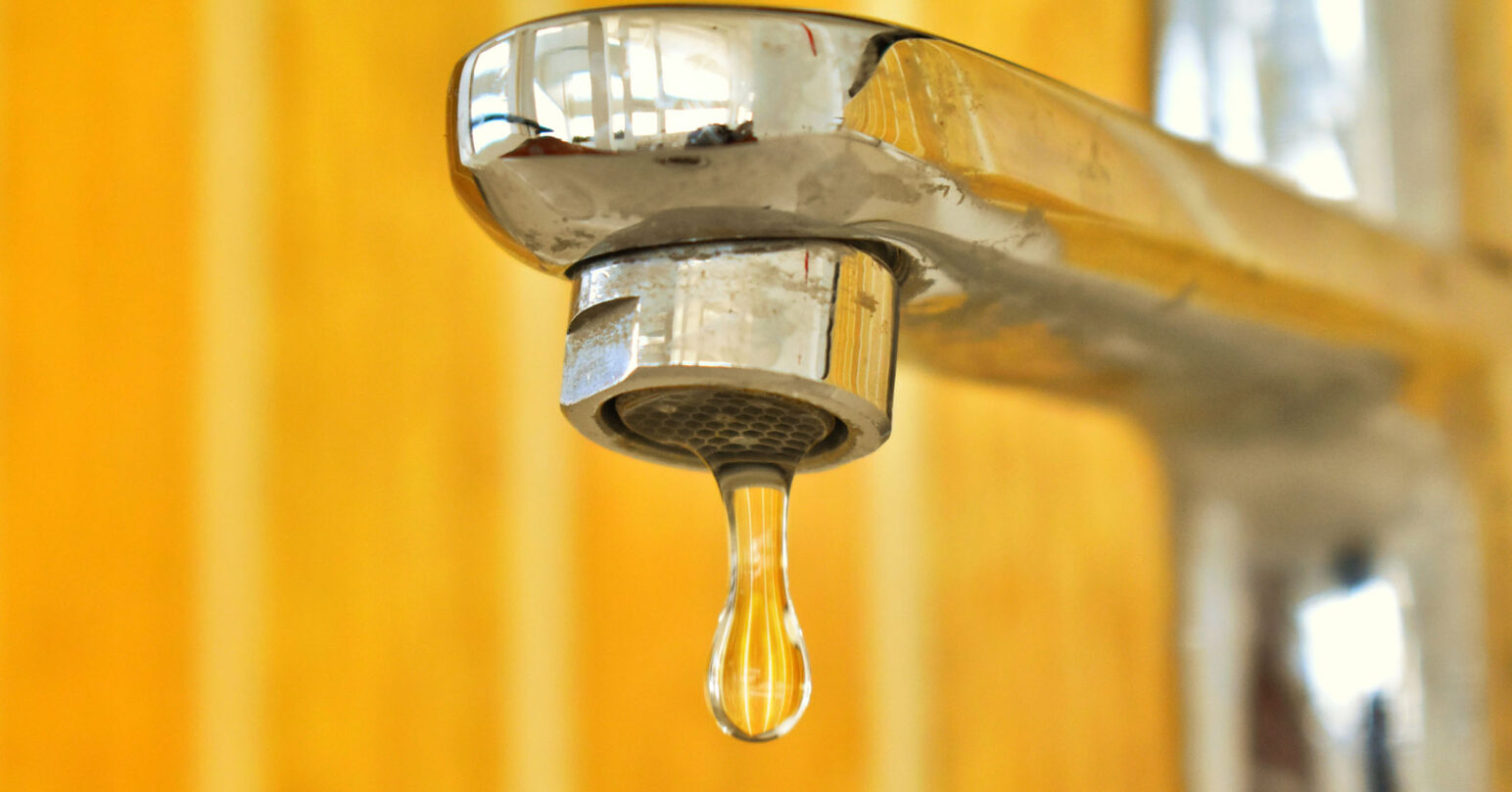
A water tap dripping

Conserving water can help your food business become more sustainable.

Consider reducing the amount of water that your business consumes by replacing bottled water with filtered water, only using dishwashers when they are full, and installing motion sensor taps and low-flush toilets in your restrooms.

10. Grow your Own Produce

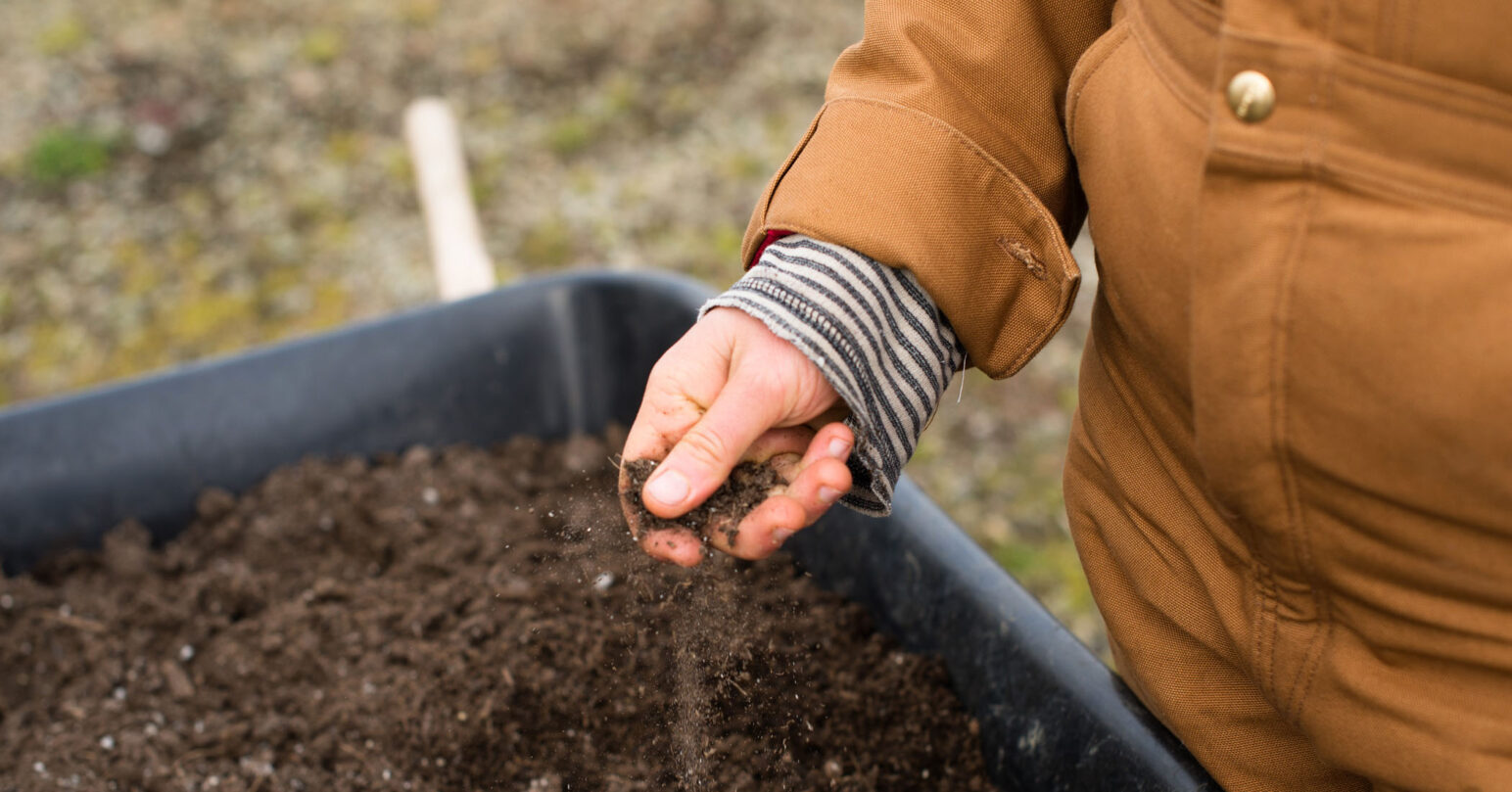
A person holding soil in their hands

It’s time to show off your green thumbs! Growing your own produce has many benefits. You can save money, cut down on your ‘food miles’, and work with fresher and better-tasting ingredients.

Consider partnering with a local farm, installing window boxes and plant pots, or building a small on-site garden.

11. Eco-Friendly Cleaning Products

A person cleaning a windowsill using eco-friendly cleaning products and pink rubber gloves

Toxic and harmful chemicals found in synthetic cleaning products are known to pollute our waterways and cause dry, irritated and itchy skin.

By replacing synthetic cleaning products with natural non-toxic and eco-friendly products you can help protect wildlife, the environment and the health of your customers.

12. Start Composting

A person holding soil in their hands

Turn organic materials like egg shells, vegetable peelings and coffee grinds into soil fertiliser by setting up a compost system in your food business.

Use a compost tumbler to break down organic matter into stable and fertile humus, a nutrient rich material which can be added to soil.  

This sustainability practice helps eliminate the need for chemical fertilizers and reduces the amount of waste that reaches landfill.

13. Get Involved

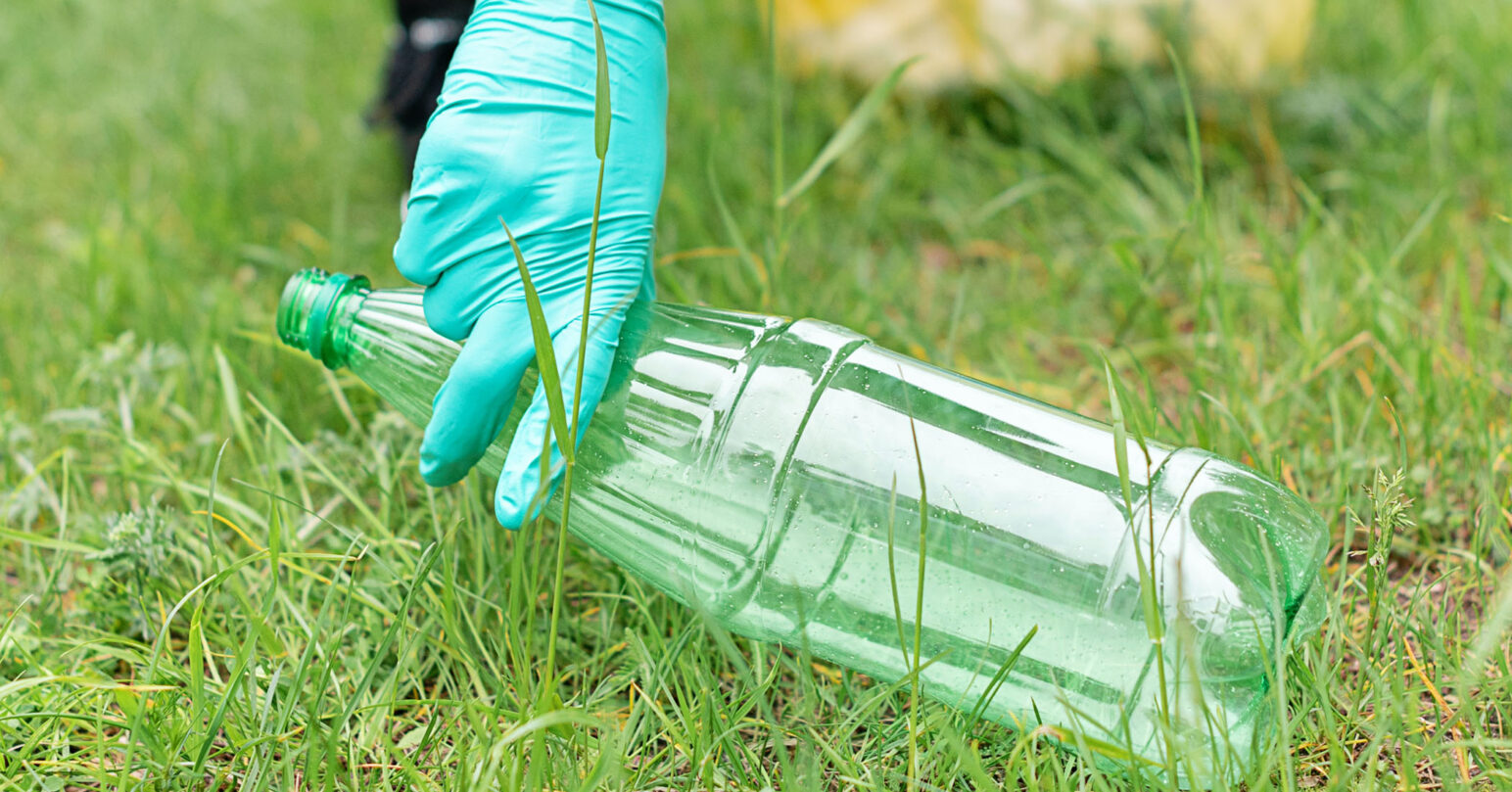
A person picking up a plastic bottle wearing a rubber glove

You can help make your business more sustainable and demonstrate value to your customers by getting involved with your local community.

Consider your business even taking part in volunteering activities that have a positive impact on the environment such as beach clean-ups and litter picks.

The information and materials included in this guide comprises a summary of popular or otherwise mainstream views, hints and tips on sustainability in a business context; they do not constitute legal or other professional advice.

You should consult your professional adviser for legal, business or other related advice.

Discover more

family of four standing on Castle Acre's wooden bridge. The ruins of Castle Acre Castle can be seen in the background.

Safe and Responsible Travel

To help ensure that sustainable rural and coastal west Norfolk comes first, we help spread the #RespectProtectEnjoy message as far and wide as we can.

family of four standing on Castle Acre's wooden bridge. The ruins of Castle Acre Castle can be seen in the background.

West Norfolk Guide to Electric Car Travel

Are you looking to explore west Norfolk in your electric car? Our handy guide will tell you where you can charge your vehicle during your stay!
family of four standing on Castle Acre's wooden bridge. The ruins of Castle Acre Castle can be seen in the background.

Road Safety Awareness for Pedestrians and Cyclists

In this guide, we would like to bring your attention to the recent changes made to The Highway Code and how this affects pedestrians and cyclists.