How To Make Your Accommodation More Sustainable
Sustainable tourism is on the rise and is the key to a better future for your guests, your business and the environment.
Sustainable tourism is on the rise and is the key to a better future for your guests, your business and the environment.
Many visitors are adopting a more sustainable way of living (and travelling) to reduce their carbon footprint. When searching for places to stay, they are looking for eco-friendly accommodation that employ green initiatives (a recent booking.com survey of 29,000 travellers found that 83% think sustainable travel is vital). Therefore, it is important to make sustainable improvements to your hotel, B&B, guesthouse, caravan park, camping site and self-catering unit to meet the needs and expectations of this growing market.
In this simple guide, Visit West Norfolk highlights the best sustainable practices for your accommodation business. Taking on board these initiatives can help you save money, reduce waste, stand out amongst competitors and lower your impact on the environment. Make smaller changes today for a greener, better tomorrow.
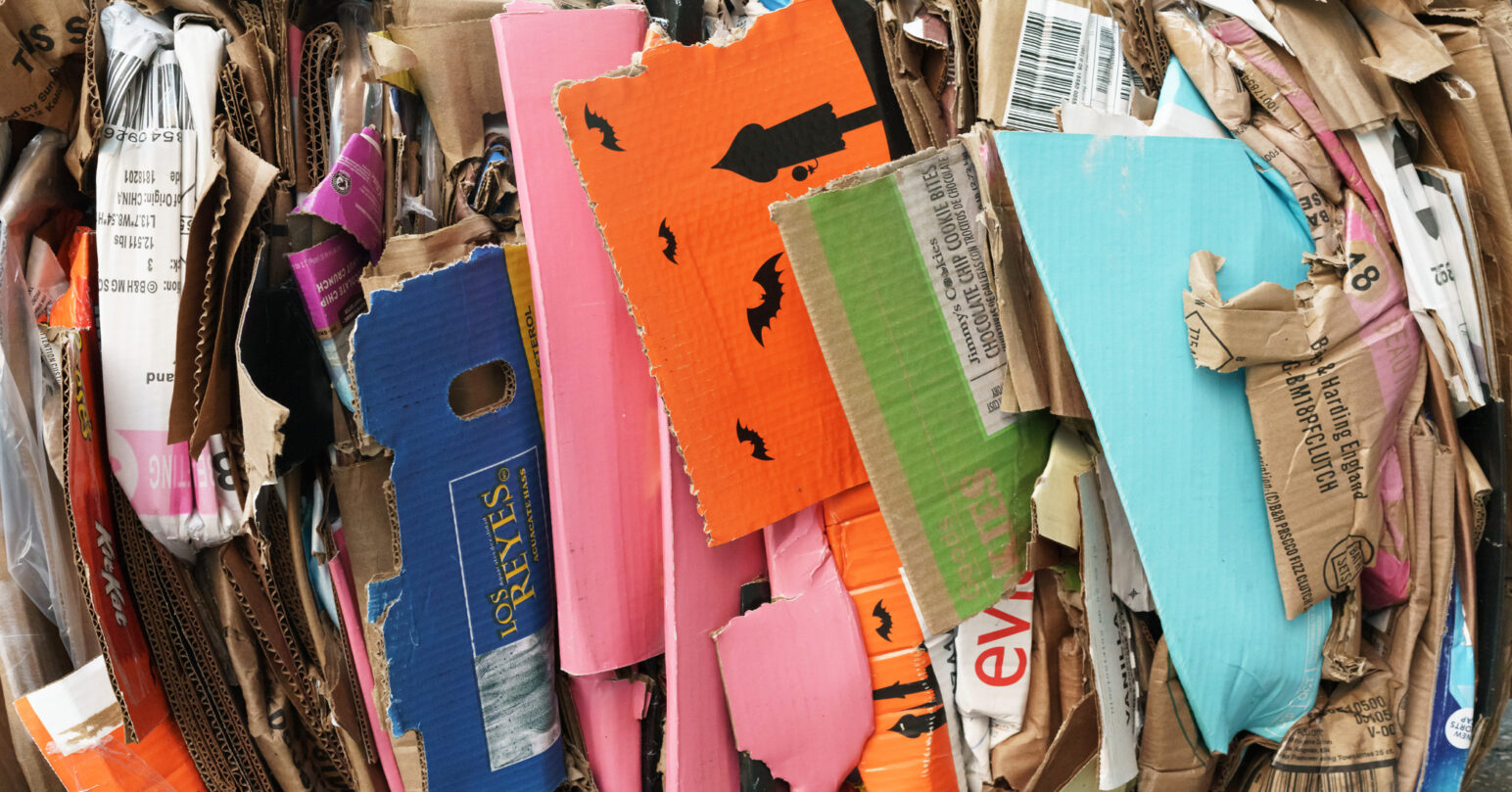
Make recycling a standard procedure in your accommodation business.
Consider placing labelled “Recycling” bins next to general waste bins in rooms, caravan parks and on camping sites to encourage staying guests to recycle paper, cardboard, plastic, glass bottles, jars, tin cans and more.
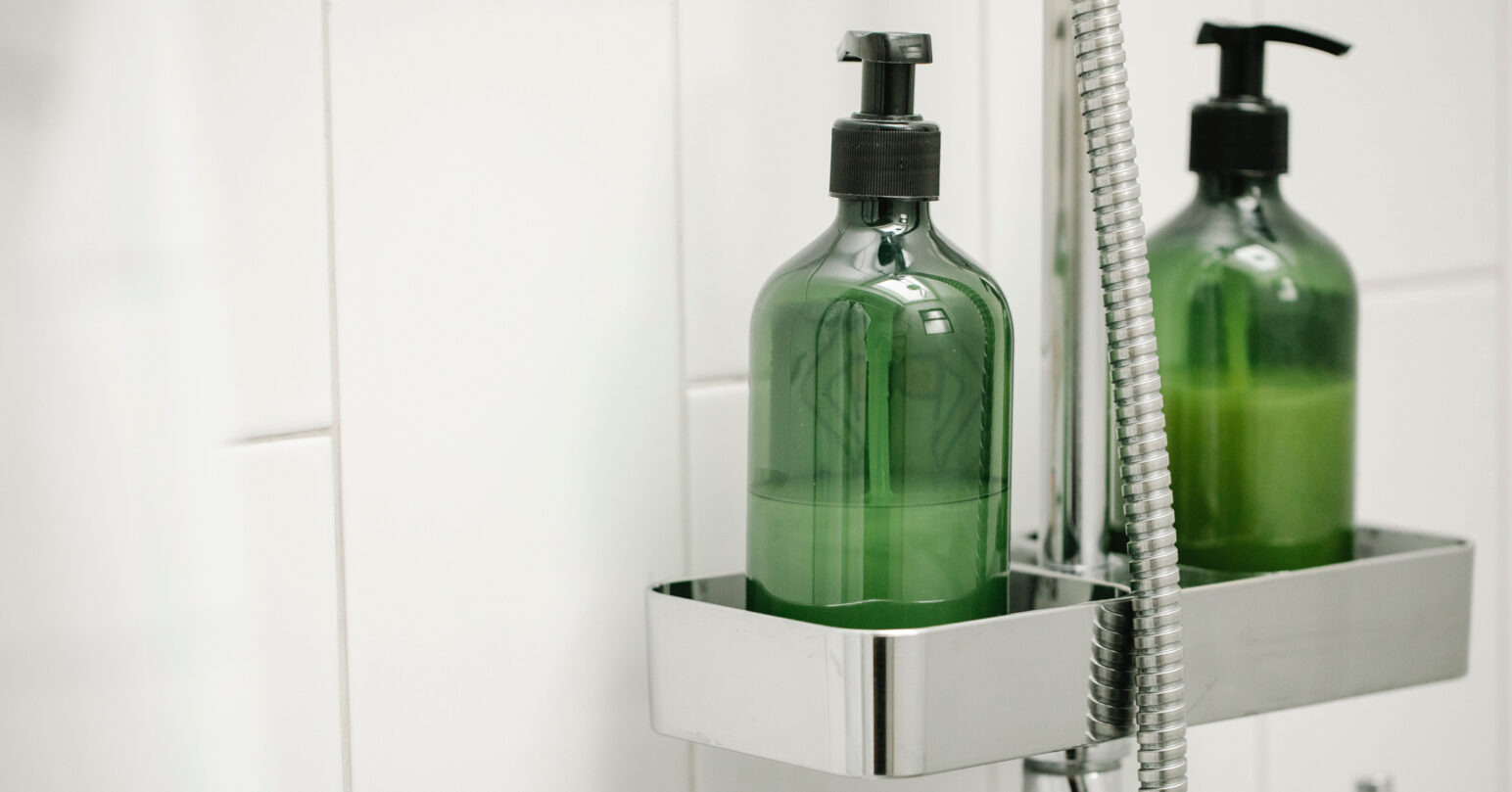
Reducing your plastics consumption can help conserve natural resources, protect the environment and save energy.
Did you know that 8 million pieces of plastic find their way into our beautiful oceans every single day? By using (and wasting) less plastic, we can reduce plastic pollution.
Why not swap single-use shampoo and conditioner bottles to re-fillable pump dispensers, filter tap water to reduce the use of plastic water bottles and provide guests with biodegradable amenities including wooden utensils, bamboo toothbrushes and paper straws.
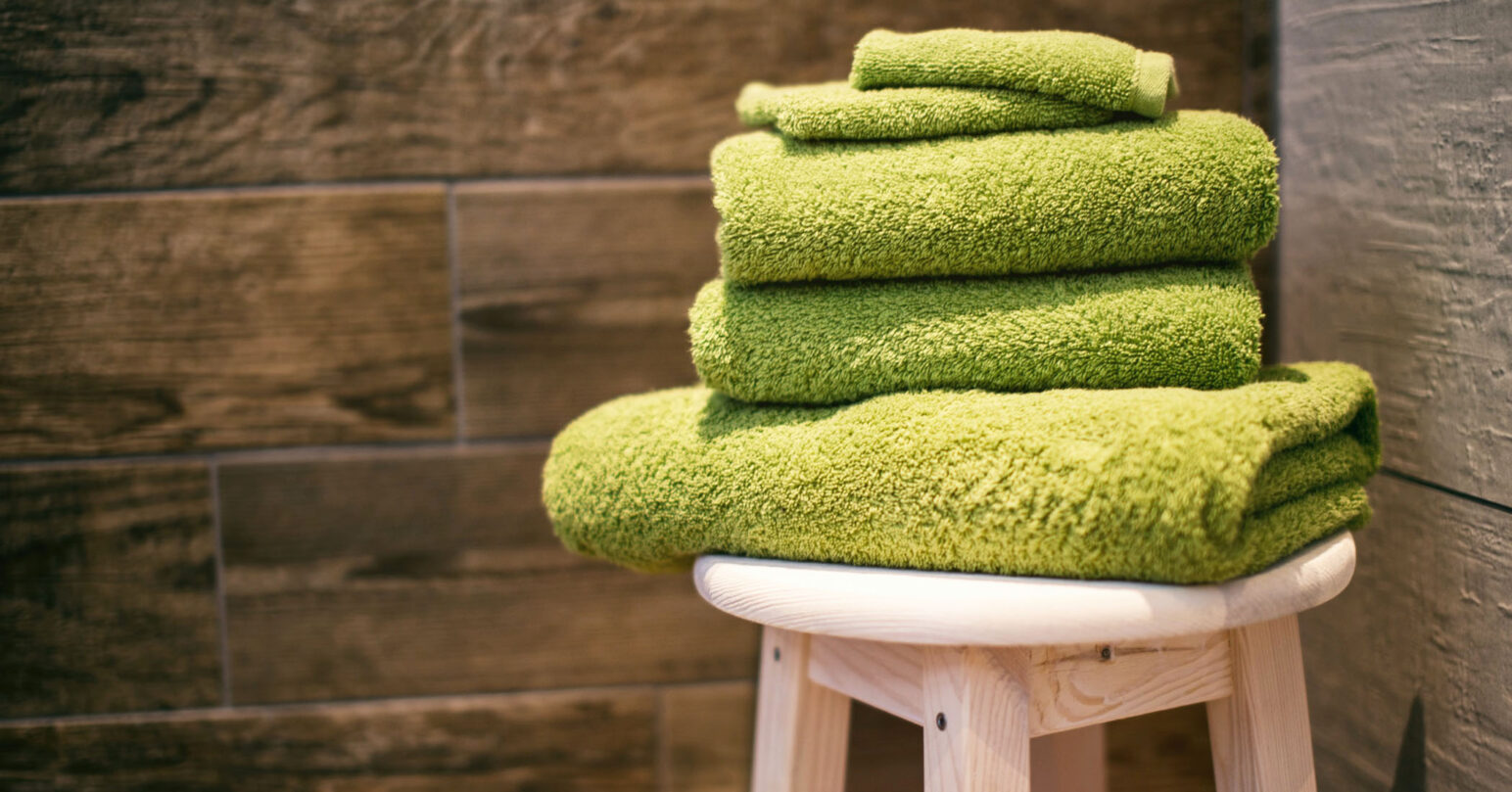
Encouraging staying guests to reuse amenities has many environmental benefits including reducing pollution and waste.
Consider implementing a linen and towel reuse programme. Instead of providing freshly laundered towels every day, install additional towel racks and create a sign to promote reuse. You could also encourage staying guests to reuse their linen for a day or two longer. These green initiatives can help save water (and reduce water costs).
Cut down on the use of disposable cups and bottles by providing reusable coffee mugs and installing a water-bottle filling station at your accommodation business.
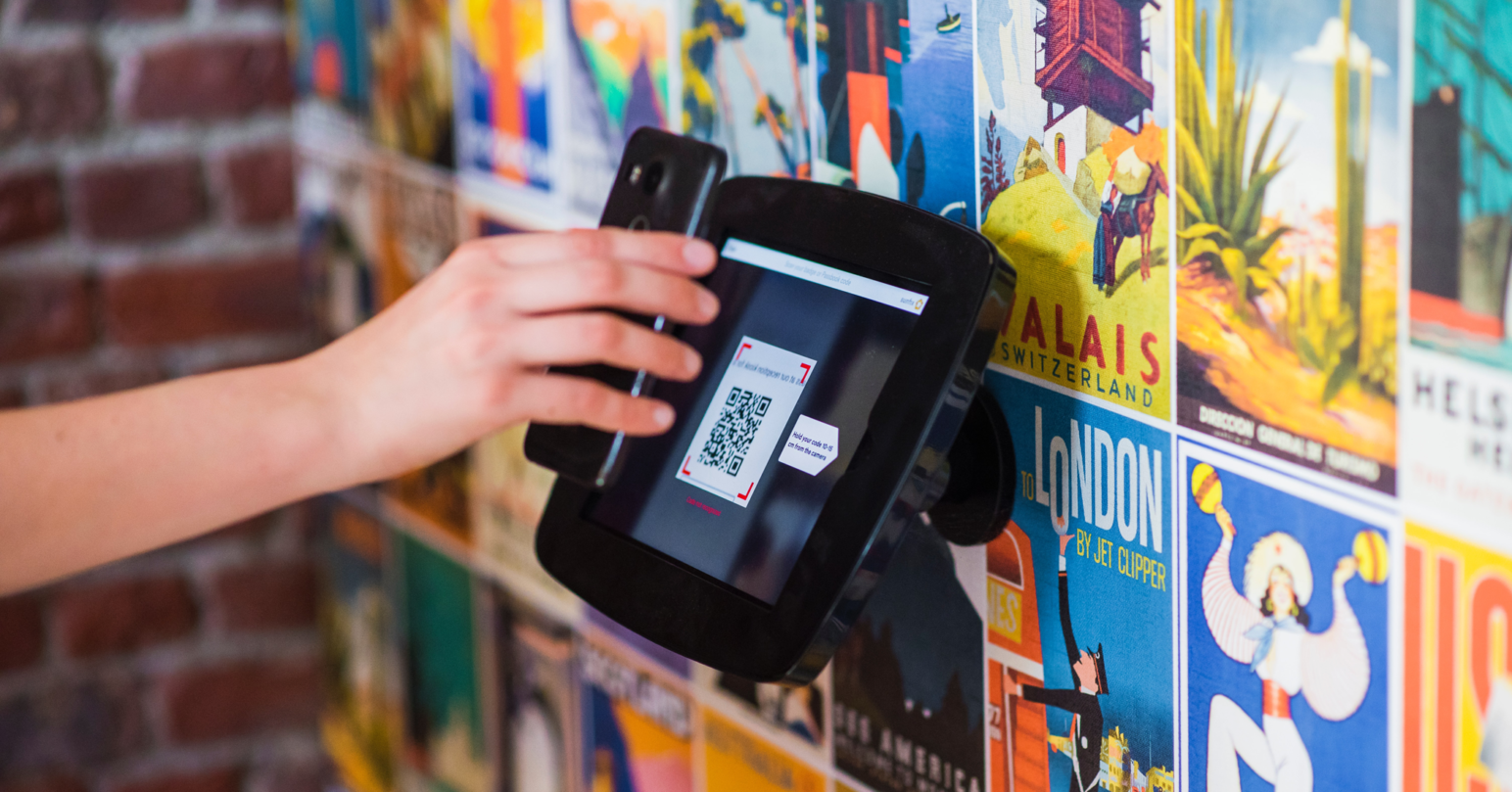
The increased use of QR codes during the COVID-19 pandemic has encouraged many businesses to go paperless.
Why not join them and minimise your carbon footprint by providing guests with QR codes of leaflets and menus instead of printed copies. The online versions can be updated regularly without the use (and waste) of paper and ink.
You could also ask guests to sign documents digitally and encourage them to request email copies of receipts instead of printed.
There are multiple ways your accommodation business can limit water waste and conserve this precious resource.
Always cover swimming pools when not in use to prevent evaporation and re-filling, minimise ice machine usage, transition to low-water washing machines, install modern low-flush toilets, and minimise the water used for ground maintenance by installing water butts to harvest rainwater.
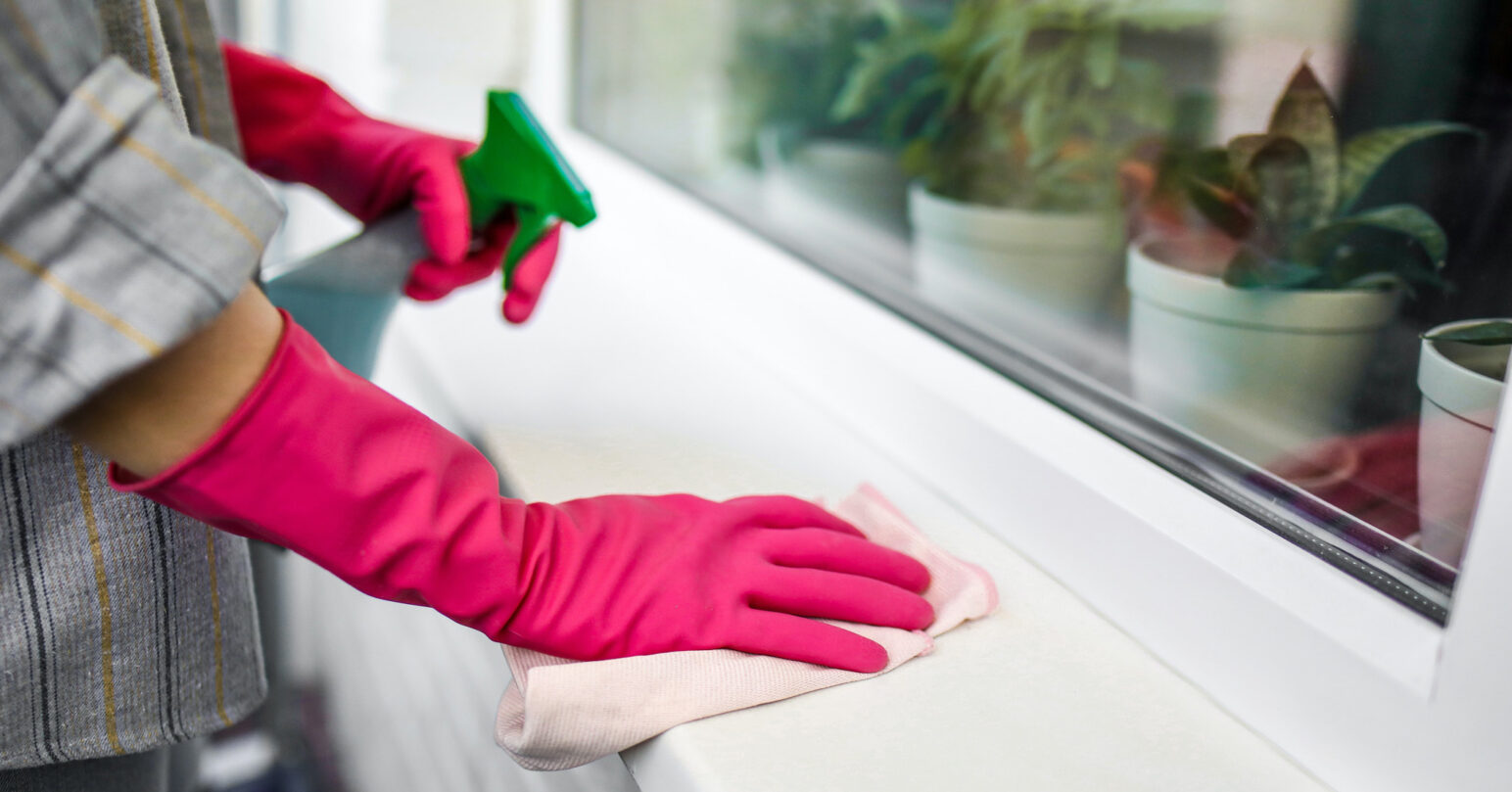
Did you know that many synthetic cleaning products contain toxic ingredients that are harmful to humans and the environment?
Toxic contaminants found in cleaning products wash up in rivers and streams and damage wildlife. The chemicals are also known to cause dry, irritated and itchy skin and can cause psoriasis and eczema flare-ups. Switching to natural non-toxic cleaning products is considered an eco (and guest) friendly alternative.
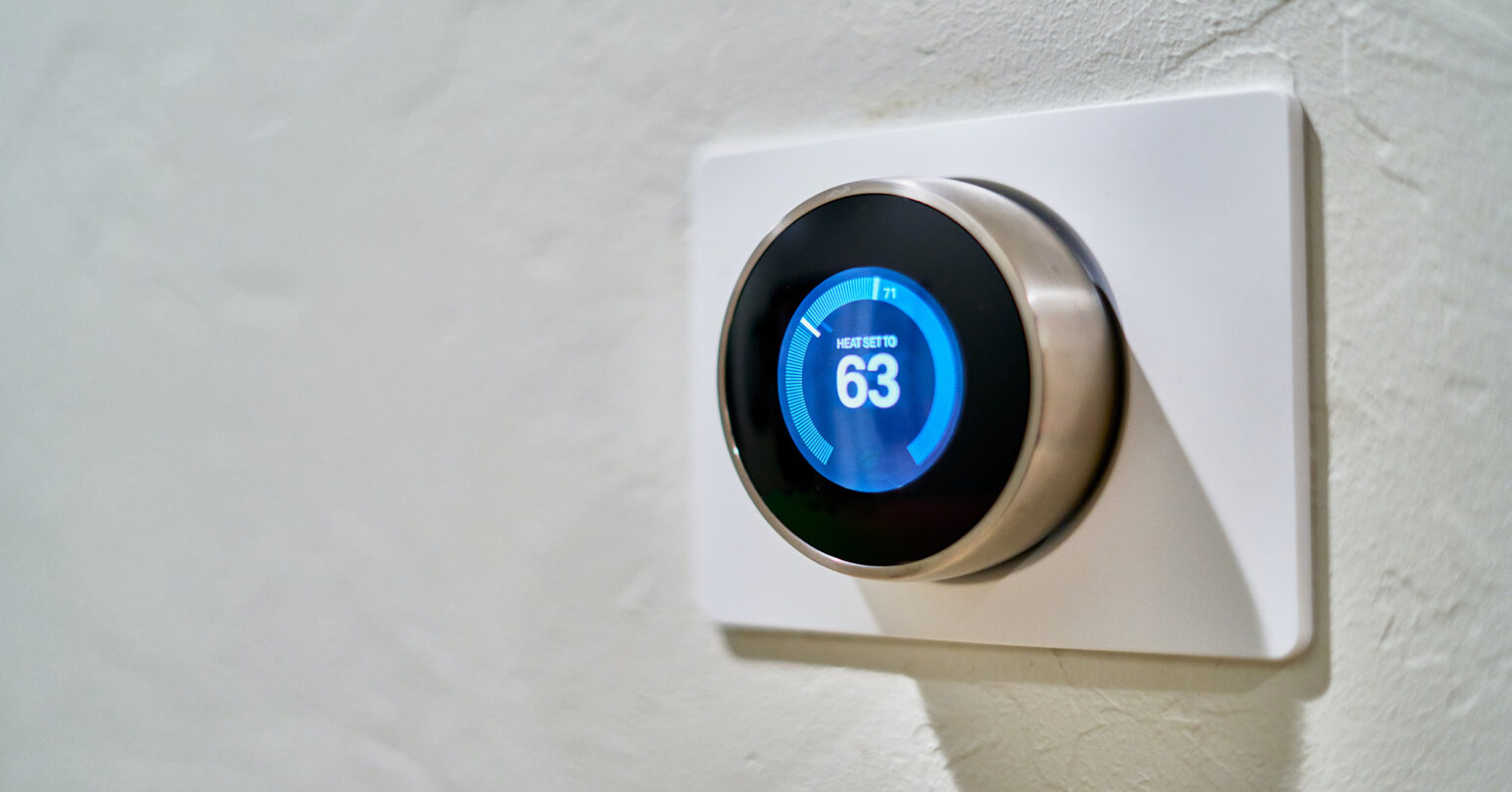
Smart thermostats are cost-effective and environmentally-friendly home efficiency systems used to reduce energy demand from fossil-fuelled power plants.
The thermostats are connected to central heating systems (boilers and air conditioning) and can be remote-controlled from any smart device.
The smart technology learns household heating patterns and contains a presence senser to adjust room temperatures.
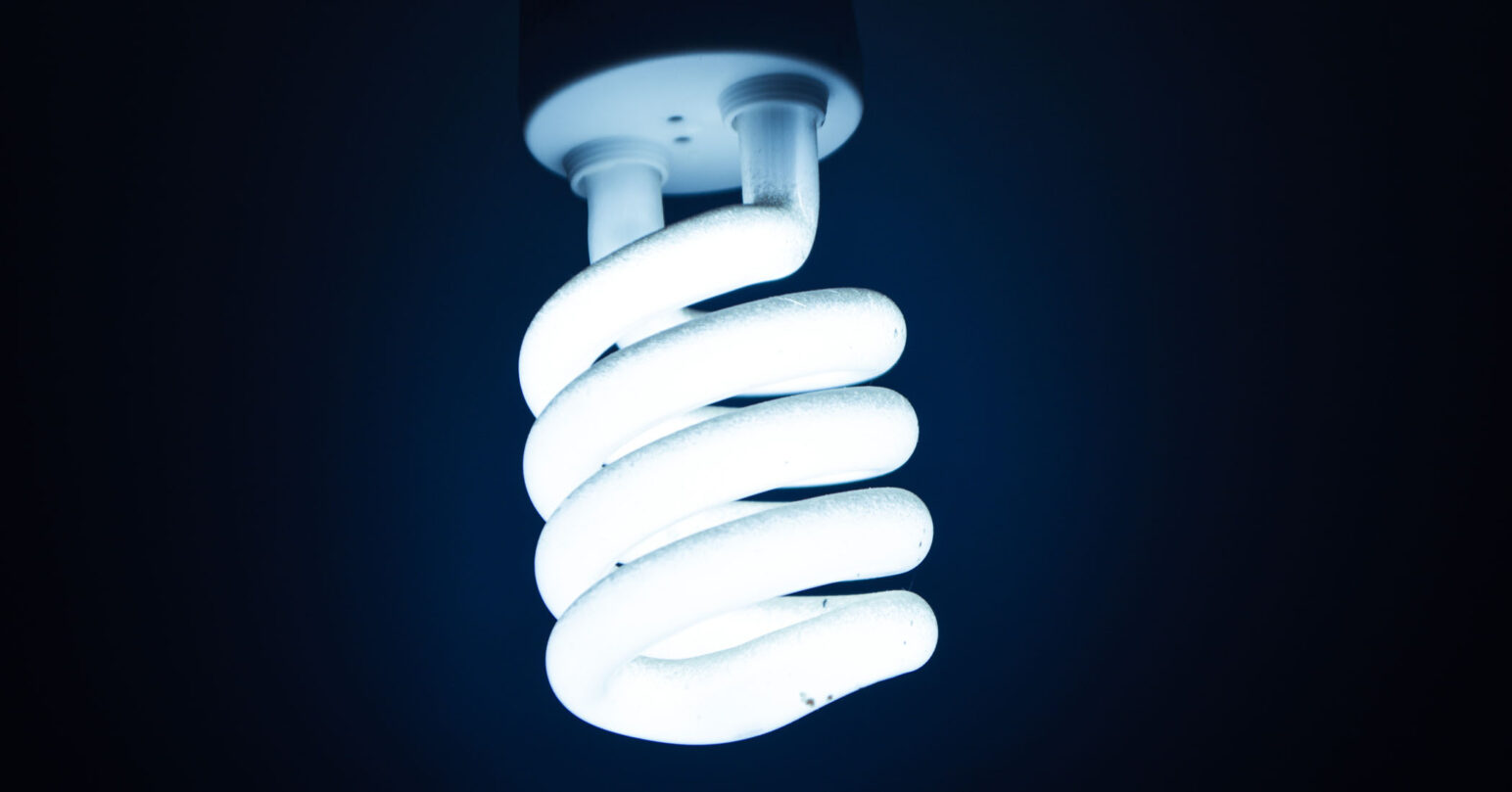
Installing energy-saving light bulbs can lower your carbon footprint and the cost of your electricity bills. They last up to 12 times longer than traditional light bulbs and emit the same amount of light using far less energy.
You might also want to consider installing motion censor lights in your guest rooms. The lights will automatically turn off when a room is unoccupied, and you will feel safe knowing that you are not wasting electricity.
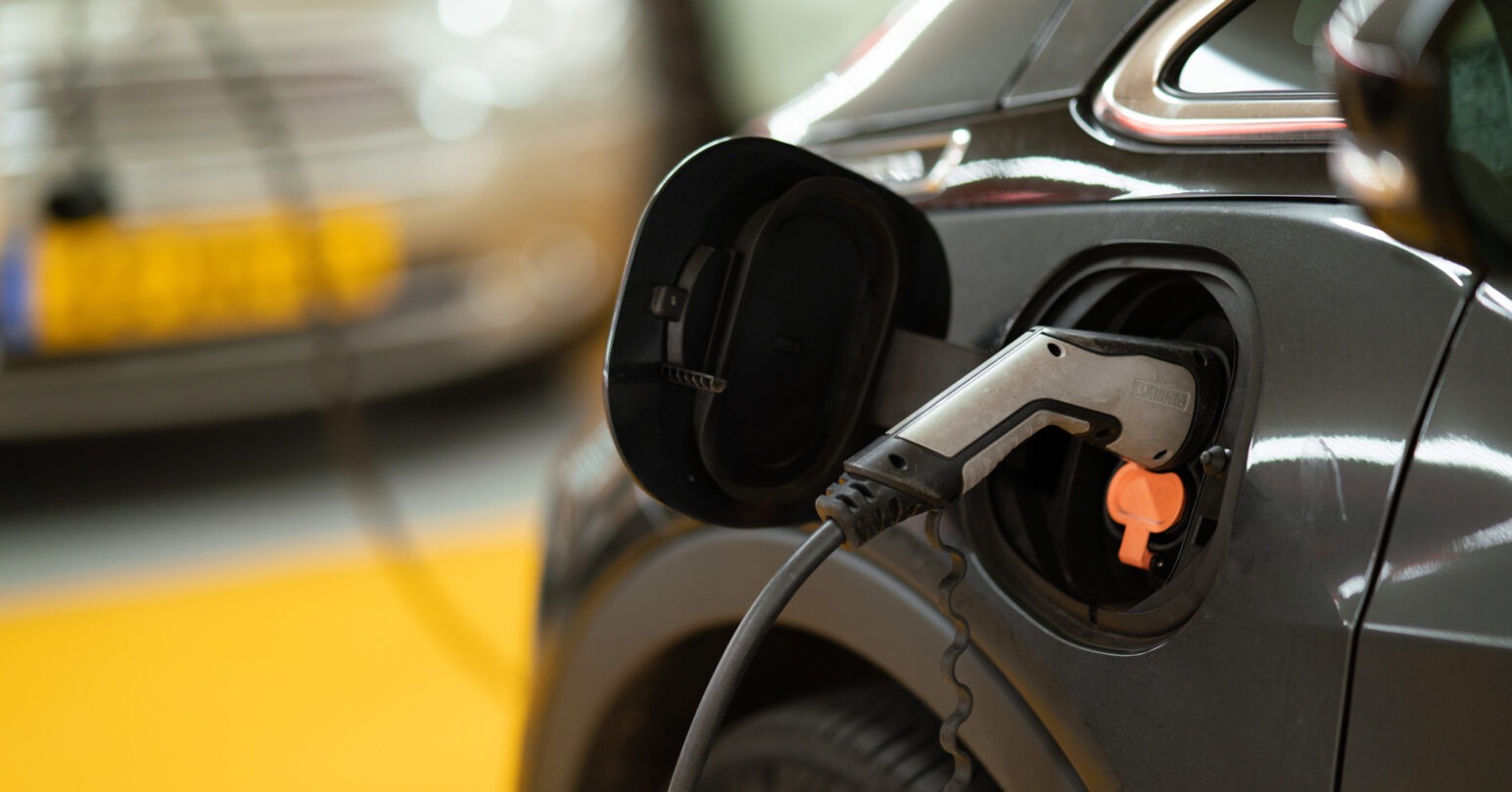
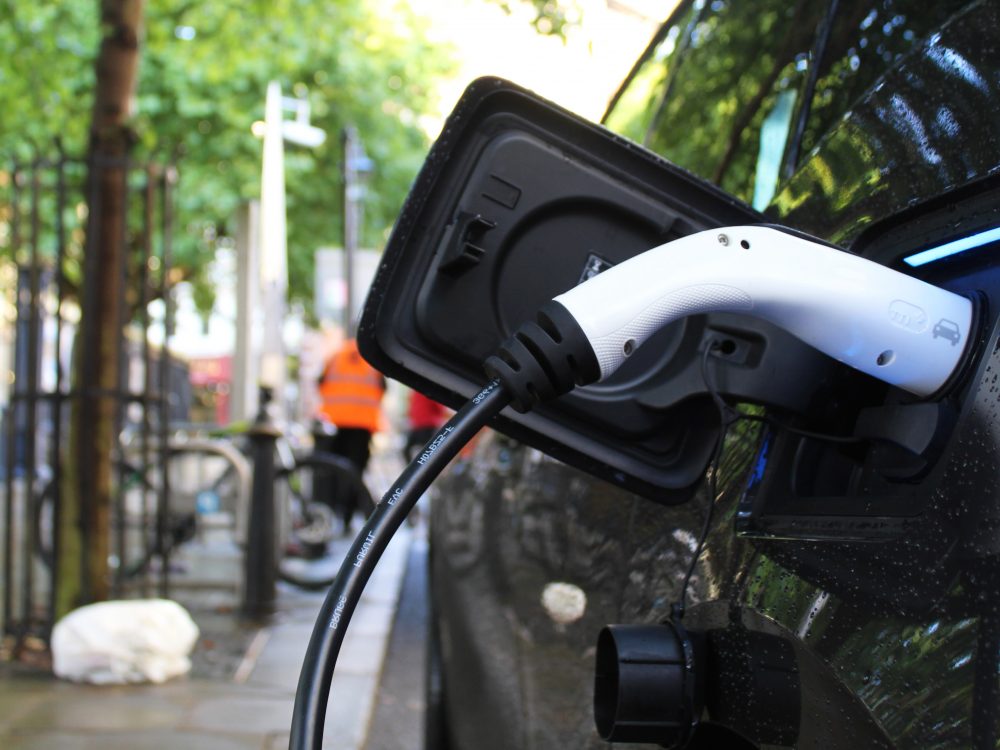
Electric vehicles produce no carbon dioxide tailpipe emissions and, as a result, reduce air pollution. They reduce considerably more pollution if EV charge points are powered by solar, hydro or thermal energy.
As more drivers are switching to electric, businesses are choosing to become more environmentally responsible. Installing EV Charging Points can help future proof your accommodation business and meet the needs of this growing market.
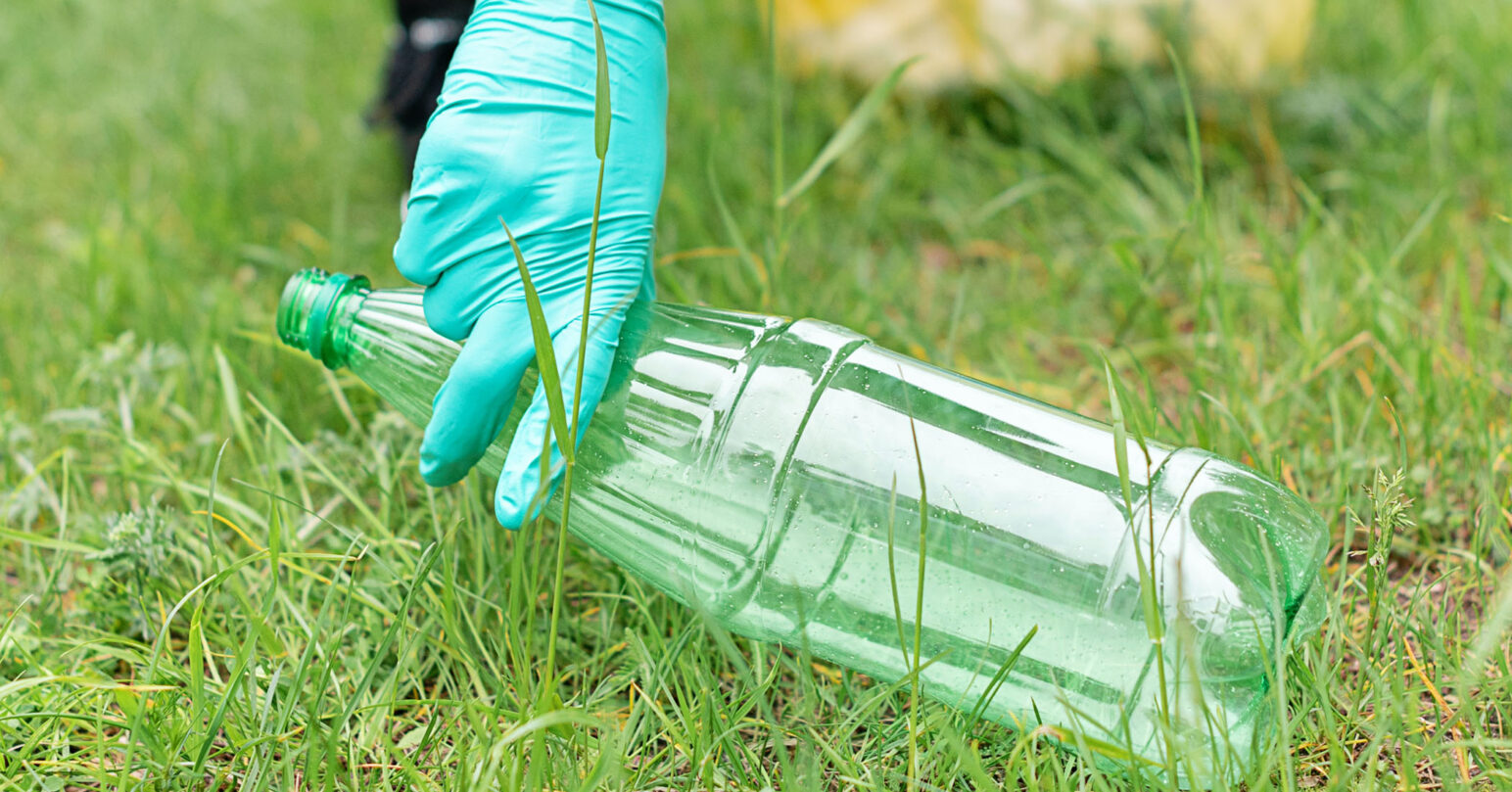
A great way to make your accommodation business more sustainable is by getting involved with your local community and even taking part in volunteering activities to help the environment.
Why not plant a tree? Tidy up your local area and organise a beach clean or regular litter pick? Grow fresh fruit and vegetables in a community garden? The opportunities are endless!
The information and materials included in this guide comprises a summary of popular or otherwise mainstream views, hints and tips on sustainability in a business context; they do not constitute legal or other professional advice.
You should consult your professional adviser for legal, business or other related advice.